How to choose the right pan for healthier cooking
What's the story
Choosing the right cooking pan is essential for healthy eating. A good pan can make cooking easier, healthier, and more enjoyable. With so many options available, it can be tricky to choose one that fits your needs. This guide will help you choose a cooking pan that promotes healthy eating habits by focusing on materials, size, shape, and maintenance.
Material choice
Consider material for health
The material of a cooking pan can affect how food is prepared and consumed.
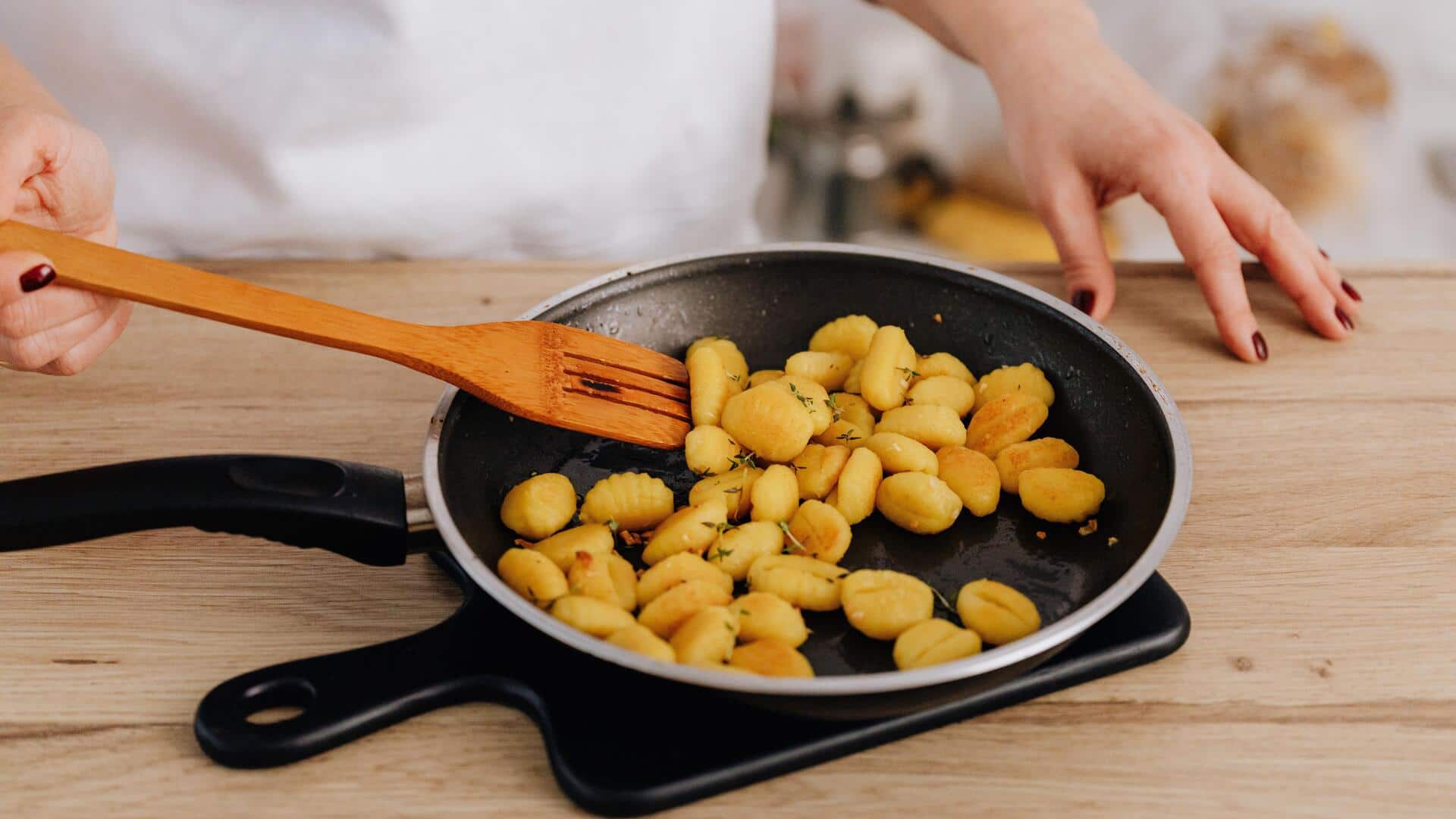
Non-stick pans are easy to clean but may release harmful chemicals at high temperatures.
Stainless steel is durable and doesn't react with foods but may require more oil for cooking.
Cast iron retains heat well and adds iron to the diet but needs proper maintenance to avoid rusting.
Size selection
Size matters for portion control
The size of the pan also plays an important role in portion control.
A small pan may lead to overcrowding, which can cause uneven cooking and more calories from excess fats.
A large pan gives ample space for even cooking and portion control, making it easier to stick to serving sizes that align with dietary goals.
Shape selection
Shape influences cooking techniques
The shape of a pan also determines the cooking techniques you can use effectively.
Frying pans are great for sauteing vegetables or searing proteins, while saucepans are perfect for boiling grains or making soups.
Baking trays are ideal for roasting vegetables or baking healthy snacks like granola bars.
Maintenance tips
Maintenance ensures longevity
Proper maintenance extends the life of your cooking pans while keeping them safe for healthy meals.
Most non-stick pans need gentle hand washing without abrasive cleaners to keep their coating intact.
Cast iron pans need seasoning after every use to build up a natural non-stick surface over time.