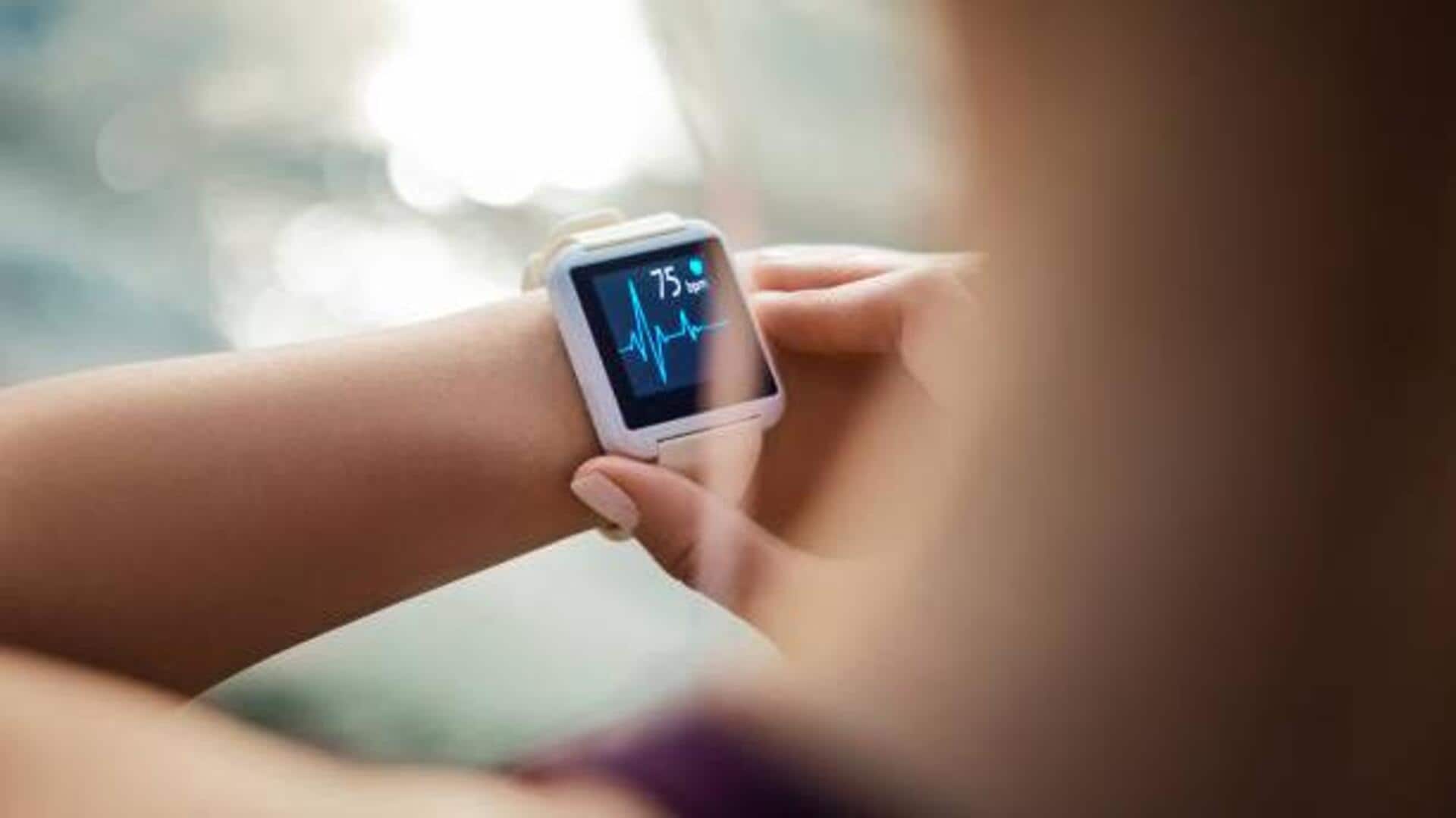
Fitness heart rate monitors: Myths v/s facts
What's the story
Heart rate monitors have become an essential tool for fitness enthusiasts, providing real-time data on heart activity. However, several myths about their accuracy and functionality still persist. Knowing these myths is important to use these devices efficiently and make informed decisions about your health. This article debunks five common myths about heart rate monitors, giving you clarity on how they work and what they can do for you.
Accuracy
Myth 1: They are always 100% accurate
While heart rate monitors give a good estimate of your heart rate, they are not always 100% accurate.
Factors like skin tone, movement, and sensor placement can affect readings.
It is important to know that these devices give an estimate rather than precise medical measurements.
For most fitness purposes, this level of accuracy is enough, but it should not replace professional medical equipment when necessary.
Calorie measurement
Myth 2: They can measure calories burned accurately
Many believe that heart rate monitors can accurately calculate the number of calories burned during a workout.
However, these devices usually rely on algorithms that take into account age, weight, and activity level to estimate calorie expenditure.
These estimates can vary widely depending on individual metabolic rates and exercise intensity.
For more precise calorie tracking, combining monitor data with other methods may be beneficial.
Activity compatibility
Myth 3: They work well during all activities
Heart rate monitors are not always effective during all activities.
For example, activities that involve a lot of wrist movement, like cycling, can cause inaccurate readings from wrist-based monitors.
Similarly, underwater activities can hinder the performance of most optical sensors used in wrist-based devices.
For such activities, chest straps or specialized swim watches may give better results.
Fitness levels
Myth 4: Higher heart rates mean better fitness levels
A common misconception is that higher heart rates during exercise indicate better fitness levels or more effective workouts.
In reality, optimal training zones vary by individual goals and fitness levels.
While some may benefit from higher intensity workouts, others may achieve better results through moderate exercise within their target heart rate zone.
Health insights
Myth 5: They provide real-time health insights
While heart rate monitors provide real-time data on heart activity during workouts, they do not provide comprehensive health insights on their own.
These devices can track changes in resting heart rate over time, or alert users to unusual spikes or drops in heart rate during exercise sessions.
However, they do not provide diagnostic information or detailed analysis of cardiovascular health without additional context from healthcare professionals.