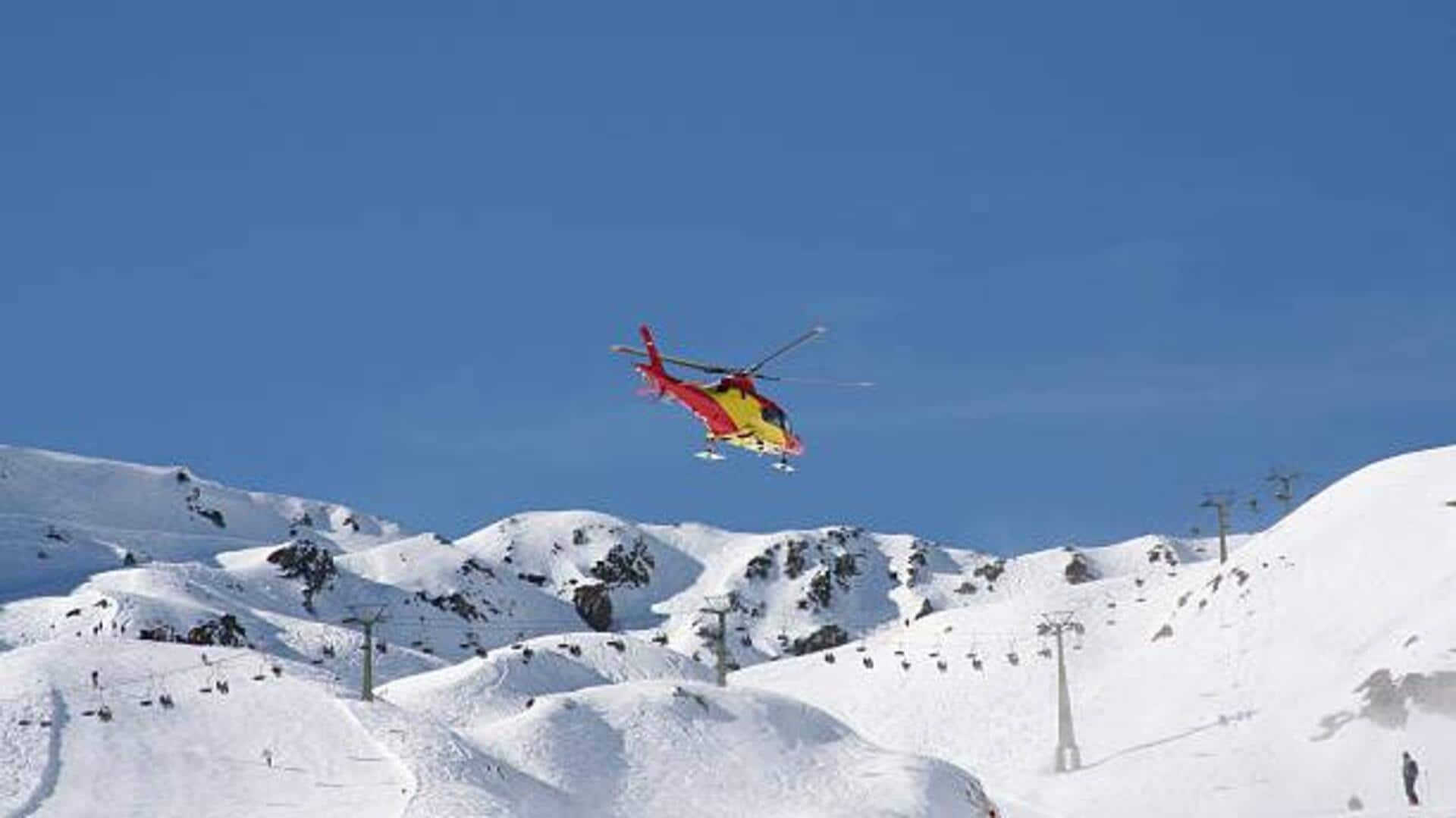
Discover the thrill of helicopter skiing in Lesotho
What's the story
Helicopter skiing in Lesotho is an adventure that promises breathtaking views and thrilling descents. The African nation, known for its mountainous terrain and high-altitude plateaus, makes for the perfect setting for this unique sport. With the help of helicopters, skiers can access remote peaks and enjoy untouched snow. The experience is a mix of adrenaline and awe-inspiring landscapes, making it a must-try for adventure enthusiasts.
#1
Discovering Lesotho's peaks
Lesotho is home to some of the highest peaks in Southern Africa, including Thabana Ntlenyana, which stands at over 3,400 meters.
These peaks provide an ideal backdrop for helicopter skiing, with their steep slopes and pristine snow.
Skiers can explore various terrains, from gentle slopes to challenging descents. The diversity of the landscape ensures that both novice and experienced skiers find suitable challenges.
#2
The role of helicopters
Helicopters are an integral part of helicopter skiing in Lesotho. They allow skiers to reach remote locations quickly, without having to hike or climb long distances.
This not only saves time, but also allows access to areas that are otherwise difficult to reach.
The use of helicopters adds an element of excitement as participants are flown over stunning landscapes before making their descent.
#3
Preparing for your adventure
Before heading out for a helicopter skiing trip in Lesotho, proper preparation is key.
Skiers should ensure they have appropriate gear, including warm clothing and equipment suited for high-altitude conditions.
It is also important to be aware of weather conditions, as they can affect both safety and enjoyment during the adventure.
Consulting with local guides can provide valuable insights into planning your trip effectively.
#4
Safety considerations
Safety is paramount when indulging in helicopter skiing adventures in Lesotho's mountainous regions.
Skiers must be mindful of avalanche risks and ensure they are equipped with appropriate safety gear, such as helmets and avalanche beacons.
Working closely with experienced guides who know the terrain well can help mitigate risks associated with this thrilling sport while ensuring an unforgettable experience amidst breathtaking views.