The fascinating hair traditions of the Himba tribe
What's the story
The Himba tribe of Namibia is known for its unique hair wrapping techniques, which are steeped in cultural significance. The tribe's hair care practices are not just about aesthetics but also about identity and tradition. Each style has its own meaning and is often used to signify age, marital status, or social standing within the community. This article delves into the fascinating world of Himba hair wrapping techniques, exploring their cultural importance and distinct methods.
#1
Traditional hair care practices
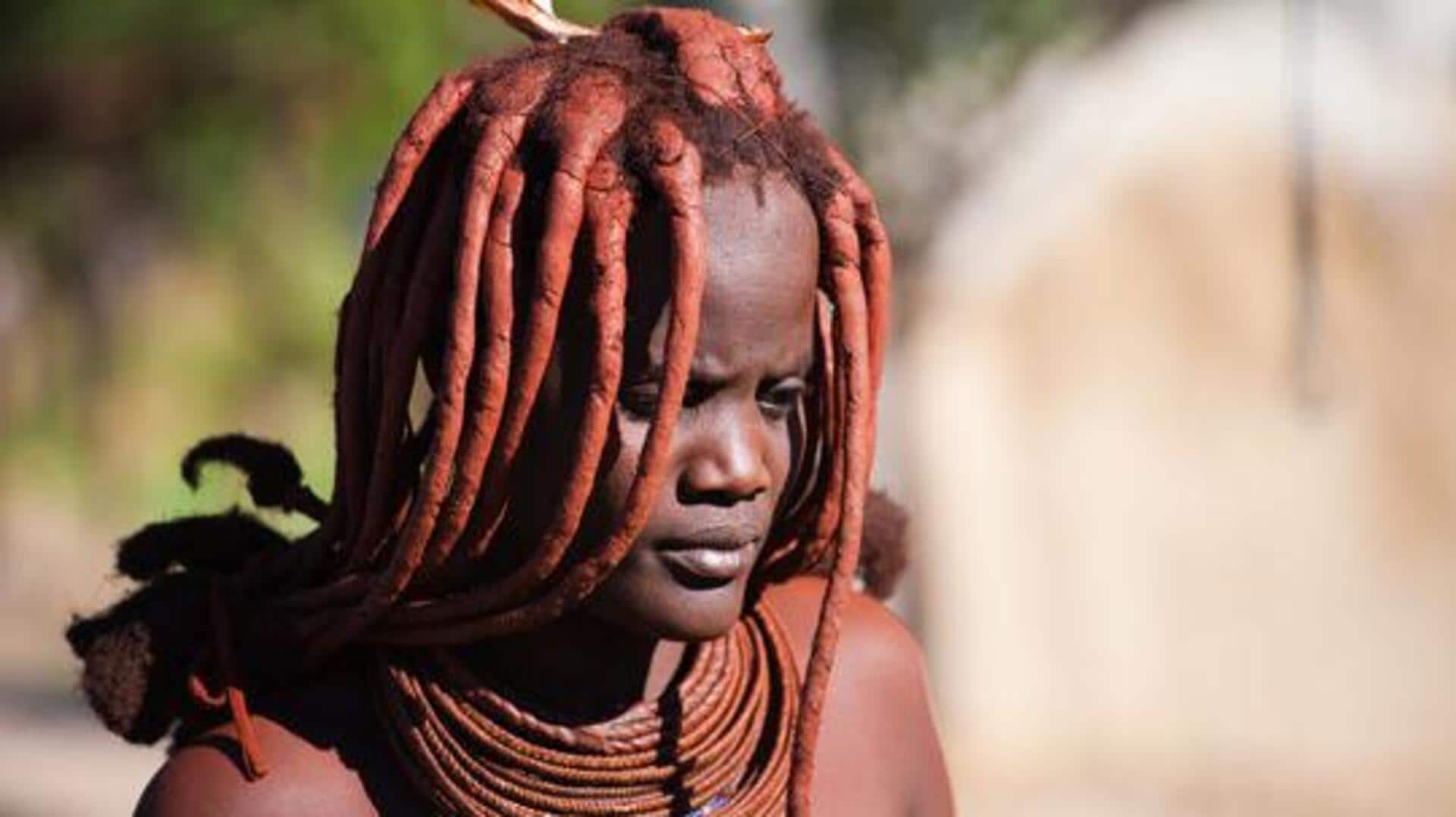
Himba women use otjize paste, a mixture of butterfat and ochre pigment, to wrap their hair.
This not only protects their hair from the harsh climate but also gives it a distinctive red hue, which is symbolic of beauty and status in their culture.
The process is labor-intensive and requires skill to ensure that each strand is properly coated and styled.
#2
Symbolism in hairstyles
Each hairstyle in the Himba tribe carries a deep meaning.
For instance, married women often wear long braids adorned with intricate patterns, indicating their union.
Single women may sport different styles that reflect youthfulness and independence.
These hairstyles are crucial for maintaining cultural identity and passing down traditions through generations.
#3
Techniques passed down generations
The art of Himba hair wrapping is a skill passed down from mothers to daughters over the years.
Young girls learn the technique at an early age, practicing on dolls or family members until they master it.
This tradition ensures that cultural practices remain alive, despite modern influences.
#4
Modern influences on traditional styles
While the Himba tribe holds on to their traditional hair wrapping techniques, modern influences have started to creep in.
Some members experiment with new styles or materials, blending contemporary trends with age-old practices.
This fusion allows for personal expression while still honoring cultural heritage.