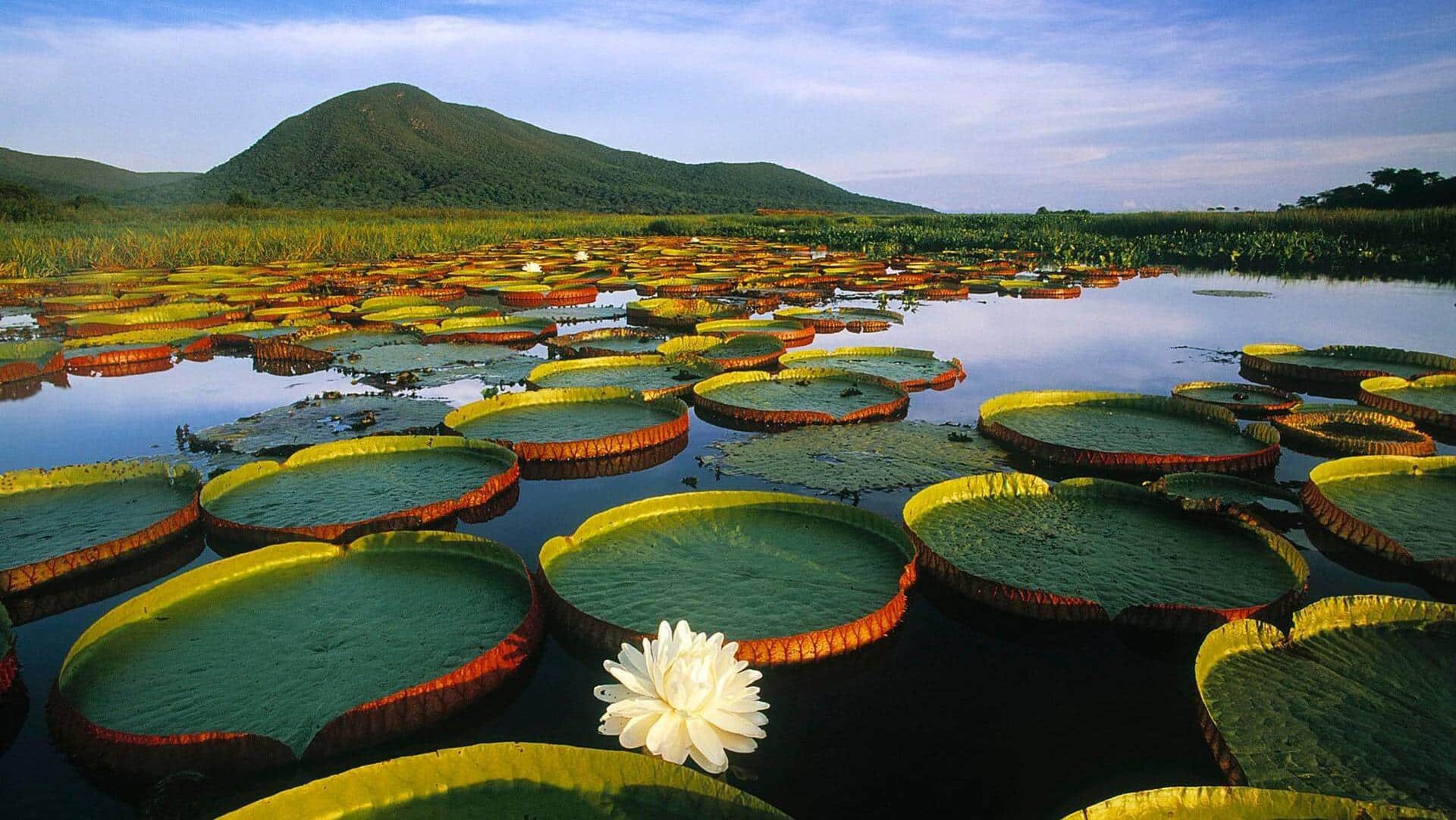
Brazilian Pantanal: All about the world's largest flooded grasslands
What's the story
Horseback riding through the Brazilian Pantanal is an experience like no other. This massive wetland, which is home to a plethora of wildlife and stunning landscapes, is best explored on horseback. The experience gives you a closer look at the natural beauty and biodiversity of the region. From jaguars to caimans, the Pantanal is home to a variety of animals, making it a nature lover's paradise.
Wildlife encounters
Exploring diverse wildlife
The Pantanal is famous for its rich biodiversity. While horseback riding, you can spot animals like capybaras, anteaters, and hundreds of bird species. The slow pace of horseback riding allows you to observe these creatures in their natural habitat without disturbing them. It also increases your chances of spotting elusive animals that might be missed in other forms of transport.
Scenic views
Navigating the vast landscapes
The vastness of the Pantanal can be overwhelming, but horseback riding gives you an intimate view of its diverse landscapes. From open grasslands to dense forests, every turn offers new scenery and challenges. Riders must be prepared for varying terrain types and weather conditions, making it essential to dress appropriately and stay hydrated throughout the journey.
Cultural insights
Understanding local culture
Interacting with local communities is an integral part of any Pantanal adventure. Many ranches offer cultural experiences where you can learn about traditional ways of life in this region. Engaging with locals provides insights into how they coexist with nature and preserve their heritage amid modern influences.
Beginner advice
Tips for first-time riders
For those new to horseback riding or exploring remote areas like the Pantanal, preparation is key. Start by choosing a suitable horse that matches your skill level. Wear comfortable clothing suitable for long rides under varying weather conditions. Also, ensure you have necessary gear, like helmets, if required by local regulations or safety standards set by tour operators.