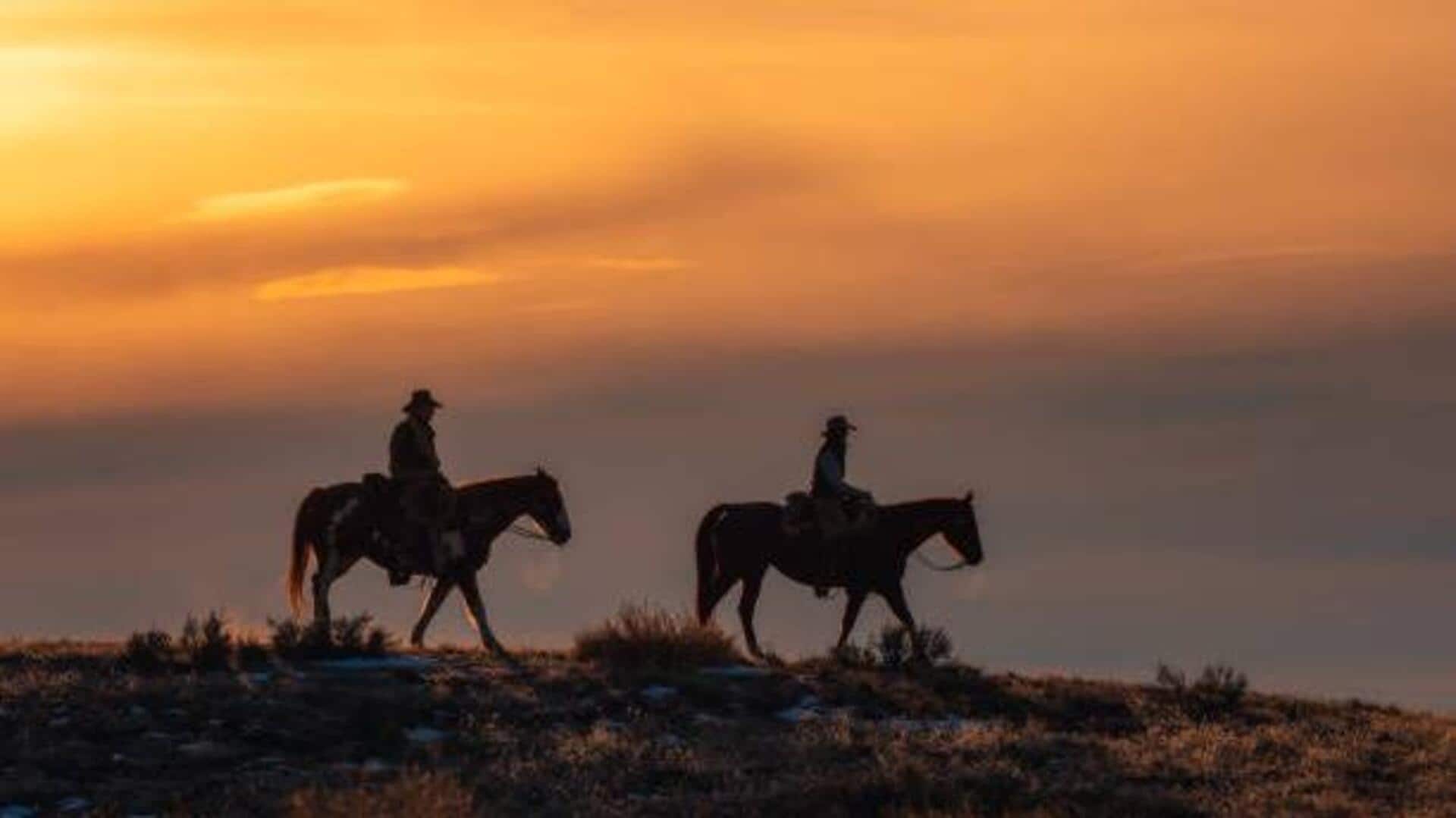
How to prepare for a desert horseback trek
What's the story
Exploring the vast deserts of Africa on horseback is an experience like no other. These journeys take you through endless sand dunes, ancient trade routes, and unique wildlife. Riding through these arid landscapes gives you a chance to connect with nature and history in an unparalleled way. Whether you're an experienced rider or a novice, African desert treks offer adventure and discovery at every turn.
#1
Choosing the right desert trek
Selecting the right desert trek is essential for a fulfilling experience.
Consider factors such as the length of the journey, difficulty level, and what you want to see along the way.
Some treks focus on cultural experiences with local tribes, while others emphasize wildlife observation or historical sites.
Researching different routes will help you find one that matches your interests and riding ability.
#2
Preparing for your journey
Proper preparation is key to a successful horseback trek in Africa's deserts.
Make sure you have appropriate gear, including sturdy boots, sun protection, and comfortable riding clothes.
It's also important to stay hydrated and carry enough water supplies for both yourself and your horse.
Familiarize yourself with basic horseback riding techniques if you're new to this activity.
#3
Understanding local cultures
Many desert treks take you through regions inhabited by indigenous communities who have lived there for centuries.
Learning about their customs and traditions can add another layer of depth to your journey.
Respecting local practices is important; consider participating in cultural exchanges or attending traditional events if they're available during your visit.
#4
Wildlife encounters on horseback
One of the most thrilling aspects of riding through African deserts is encountering wildlife in their natural habitat.
From camels to gazelles, these animals are a common sight on these treks.
Staying quiet and maintaining a safe distance from them is important for both the animals' safety and yours.
Observing wildlife from horseback can give you a unique perspective into their behavior and interactions within the ecosystem.