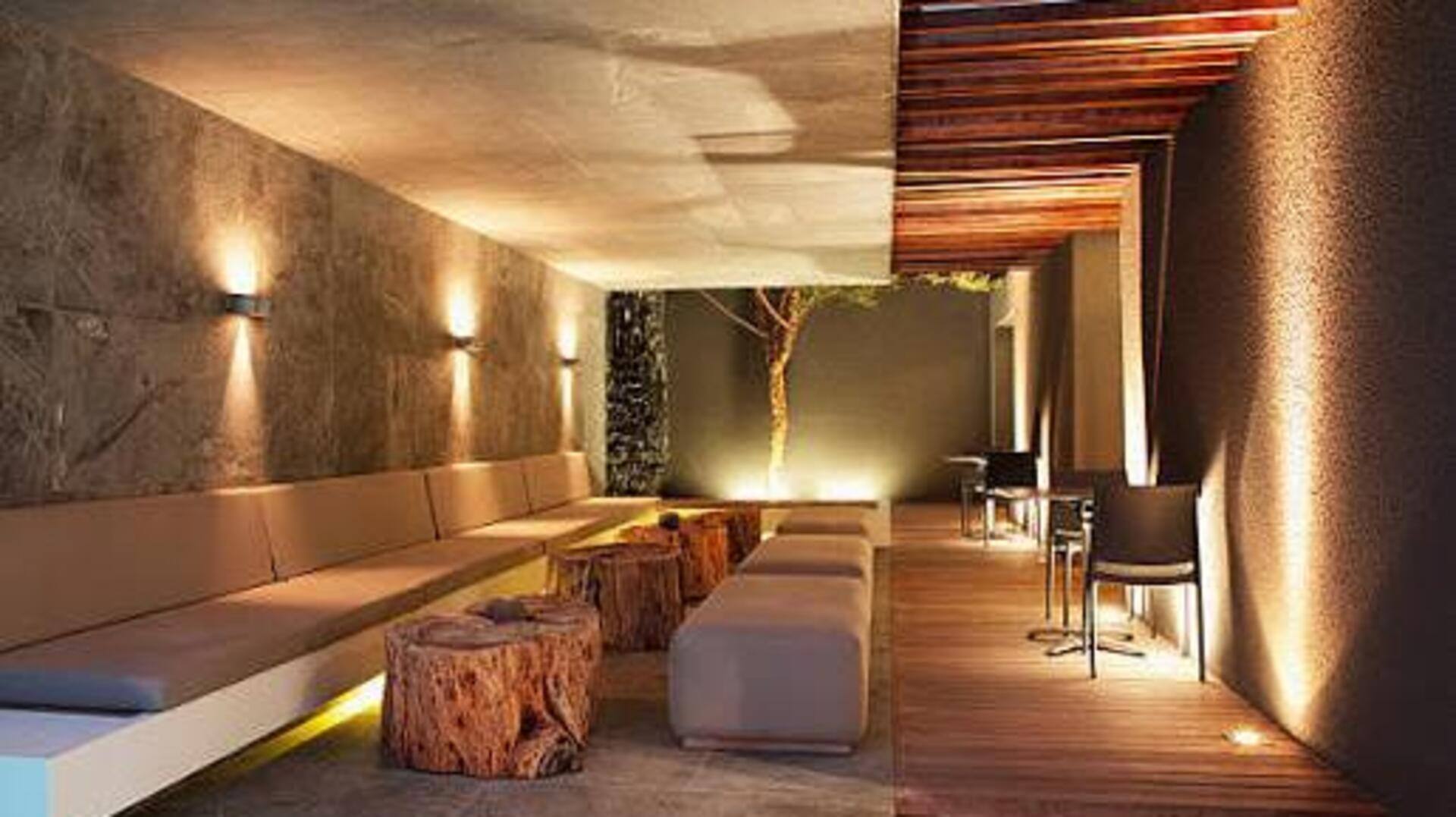
How African architects are reshaping urban design
What's the story
African architects are making waves in the world of urban design, using local materials and sustainable practices to create innovative solutions. These architects are not just addressing the challenges of rapid urbanization, but also celebrating Africa's rich cultural heritage. By focusing on sustainability and community needs, they are redefining how cities can grow without losing their identity or harming the environment.
#1
Embracing local materials
Many African architects are turning to local materials like clay, bamboo, and timber. These materials are not just environmentally friendly, but also cost-effective.
Using locally sourced materials reduces the carbon footprint of construction projects and supports local economies.
This practice also ensures that buildings blend seamlessly with their surroundings, preserving the cultural and historical context of the area.
#2
Sustainable design practices
Sustainability is at the core of many African architects' philosophies.
They often incorporate passive design techniques, such as natural ventilation and daylighting, to minimize energy consumption.
Rainwater harvesting systems and solar panels are also common features in their designs.
These practices help reduce reliance on non-renewable resources while providing efficient solutions for energy and water management.
#3
Community-focused projects
Community engagement is key for many African architects, who ensure that their projects meet the needs of the people they serve.
By involving communities in the design process, architects can create spaces that are functional and culturally relevant.
This participatory approach not only empowers communities but also leads to more successful outcomes that enhance quality of life.
#4
Innovative urban solutions
African architects are also coming up with creative solutions to tackle urban challenges like overcrowding and inadequate infrastructure.
From mixed-use developments that combine residential, commercial, and recreational spaces, to modular housing units that can be easily expanded or relocated, these innovations are making cities more livable without compromising on sustainability or cultural identity.