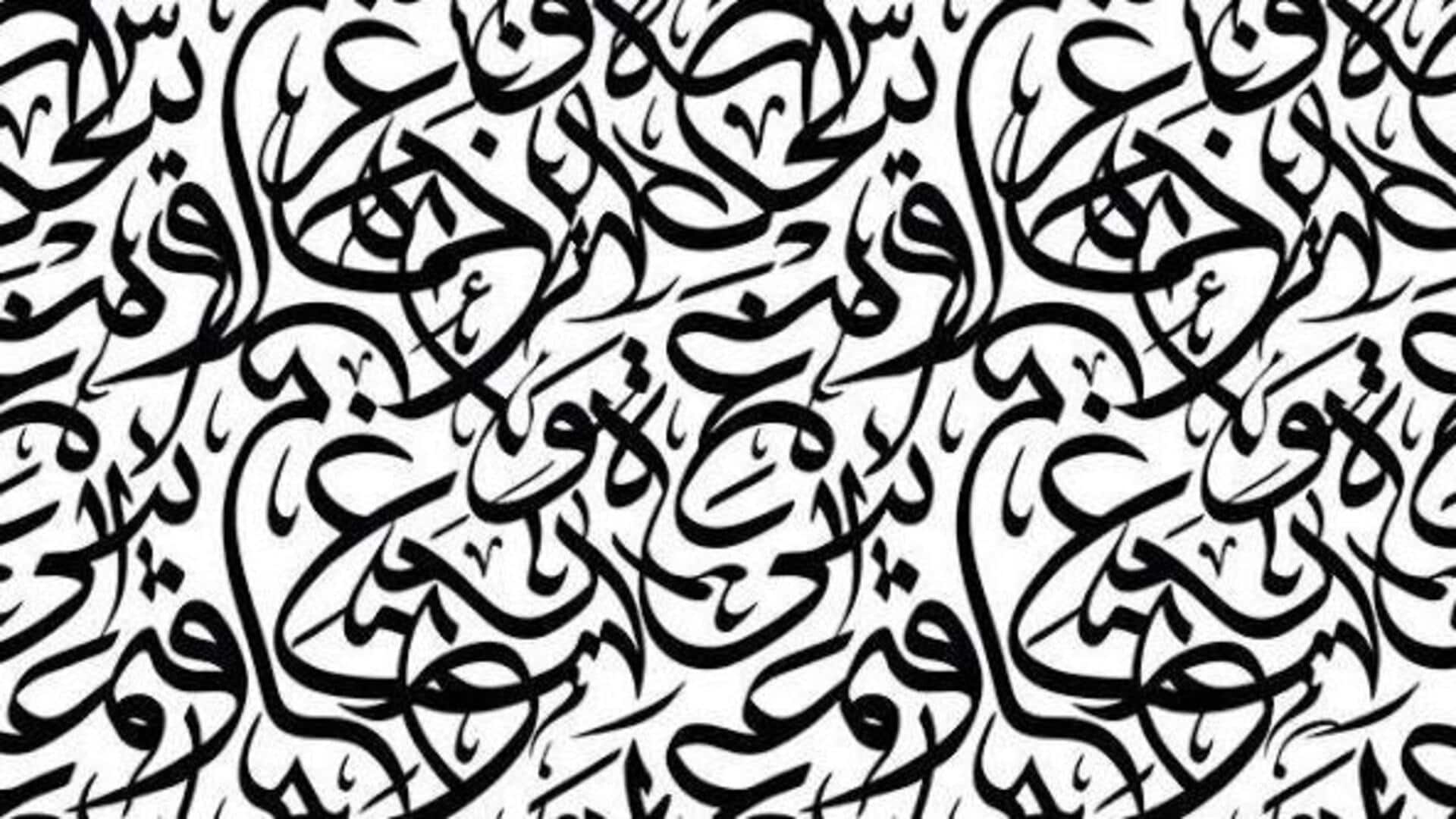
How African calligraphy is evolving over time
What's the story
African calligraphy is making waves in the world of modern art, giving a fresh perspective to the way we look at creativity. With its rich heritage and unique styles, African calligraphy is not just an art form but a cultural expression. Artists are now using this ancient practice to create contemporary pieces that speak to a global audience. Here's how African calligraphy is shaping modern art.
#1
The roots of African calligraphy
African calligraphy has its roots in ancient scripts used for communication and documentation.
These scripts were often inscribed on various surfaces, reflecting the diverse cultures across the continent.
The art form has evolved over time, incorporating elements from different regions and traditions.
Today, artists blend traditional techniques with modern influences to create works that resonate with both historical significance and contemporary relevance.
#2
Techniques and styles in modern art
Modern African calligraphy features a range of techniques and styles that are distinct to different regions.
Artists often play with bold lines, intricate patterns, and vibrant colors to create dynamic compositions.
Some even fuse digital media with traditional methods, resulting in innovative pieces that challenge conventional boundaries of art.
This fusion not only showcases the versatility of calligraphy but also its adaptability in today's artistic landscape.
#3
Cultural significance and influence
The cultural significance of African calligraphy goes beyond aesthetics; it serves as a bridge connecting past and present.
By incorporating traditional scripts into their work, artists pay homage to their heritage while also making it accessible to new audiences.
The influence of this art form can be seen in various sectors, from fashion to interior design, where its visual language continues to inspire creativity.
#4
Challenges faced by artists today
Despite its growing popularity, African calligraphers face several challenges in today's global art market.
One major hurdle is securing recognition beyond local spheres, without compromising cultural integrity or authenticity.
Accessing resources for materials or exhibitions abroad can also prove difficult for many emerging talents who seek international exposure, without losing touch with their roots.