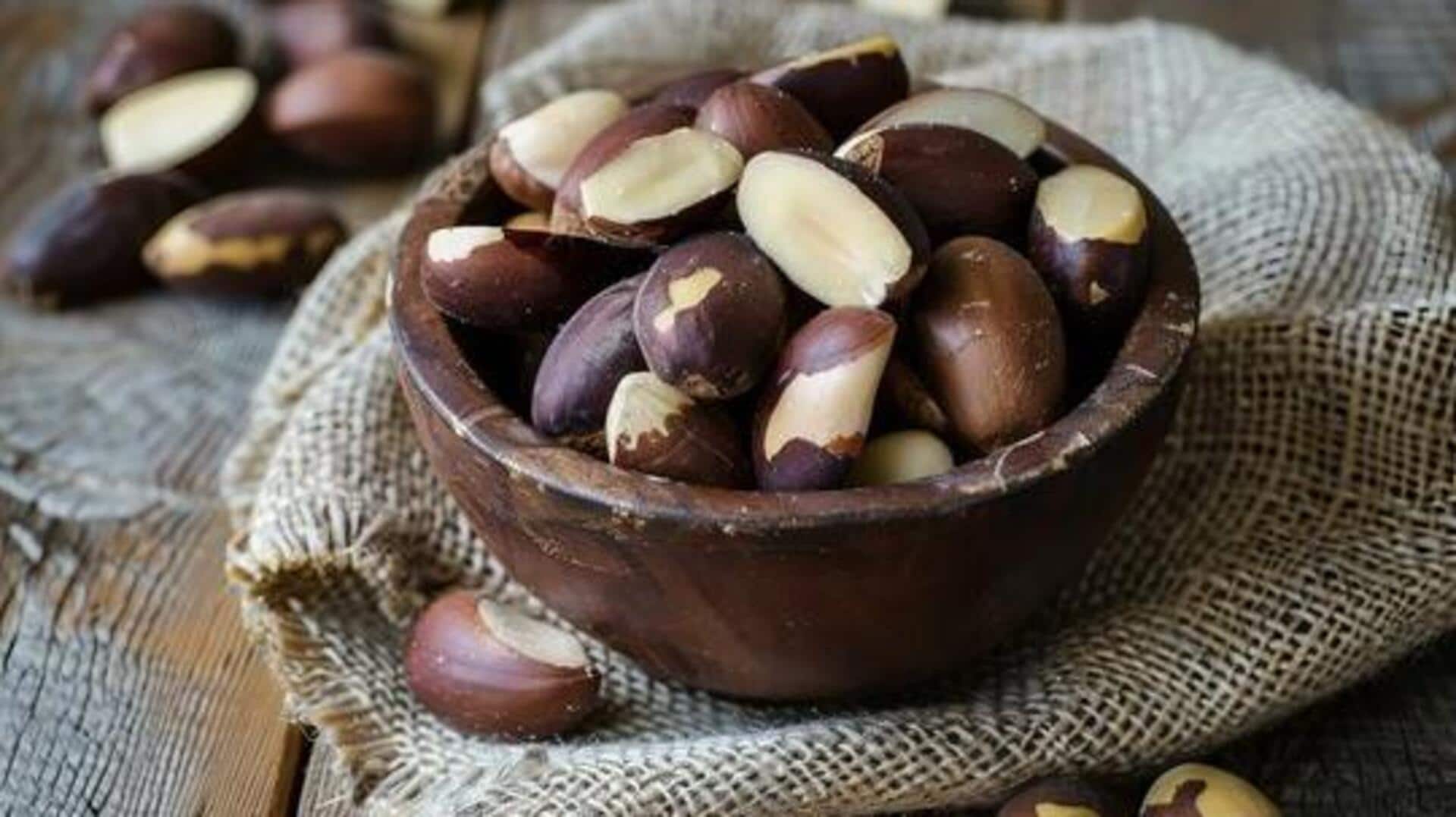
Why you should know about dika nuts
What's the story
African dika nut, a staple in many traditional African cuisines, is becoming popular for its potential to lower cholesterol levels. The nutrient-rich seed is packed with essential fatty acids and antioxidants, which may help promote heart health. As more people look for natural ways to manage their cholesterol, the African dika nut offers an intriguing option. Here is how this humble seed can play a role in your diet.
#1
Nutritional profile of the dika nut
The African dika nut is loaded with nutrients that are good for your health.
It contains healthy fats, protein, and fiber, which are all essential for a balanced diet.
The nut is also rich in vitamins such as vitamin A and vitamin C, which help boost immunity and promote skin health.
Its mineral content includes calcium and potassium, which are good for bone health and blood pressure regulation.
#2
How it helps lower cholesterol
African dika nuts contain monounsaturated fats known to reduce bad cholesterol (LDL) and raise good cholesterol (HDL).
These healthy fats promote heart health by preventing plaque formation in arteries.
The fiber content of the nuts also helps reduce cholesterol absorption in the intestines, further contributing to lower overall cholesterol levels.
#3
Incorporating dika nuts into your diet
Incorporating African dika nuts into your diet can be as easy as adding them to salads or smoothies for an extra nutritional boost.
They can also be ground into a paste and used as a spread, or added to soups for flavor enhancement.
Roasting the nuts enhances their flavor profile, making them a delicious snack option that supports heart health.
#4
Potential health benefits beyond cholesterol
Apart from lowering cholesterol, African dika nuts may offer other health benefits owing to their antioxidant properties.
These antioxidants fight oxidative stress in the body, which is linked to chronic diseases, such as diabetes and cancer.
Further research is needed to confirm these benefits, but including these nutrient-dense seeds in your diet could be a step toward better overall health.