Why mudcloth is trending in home decor
What's the story
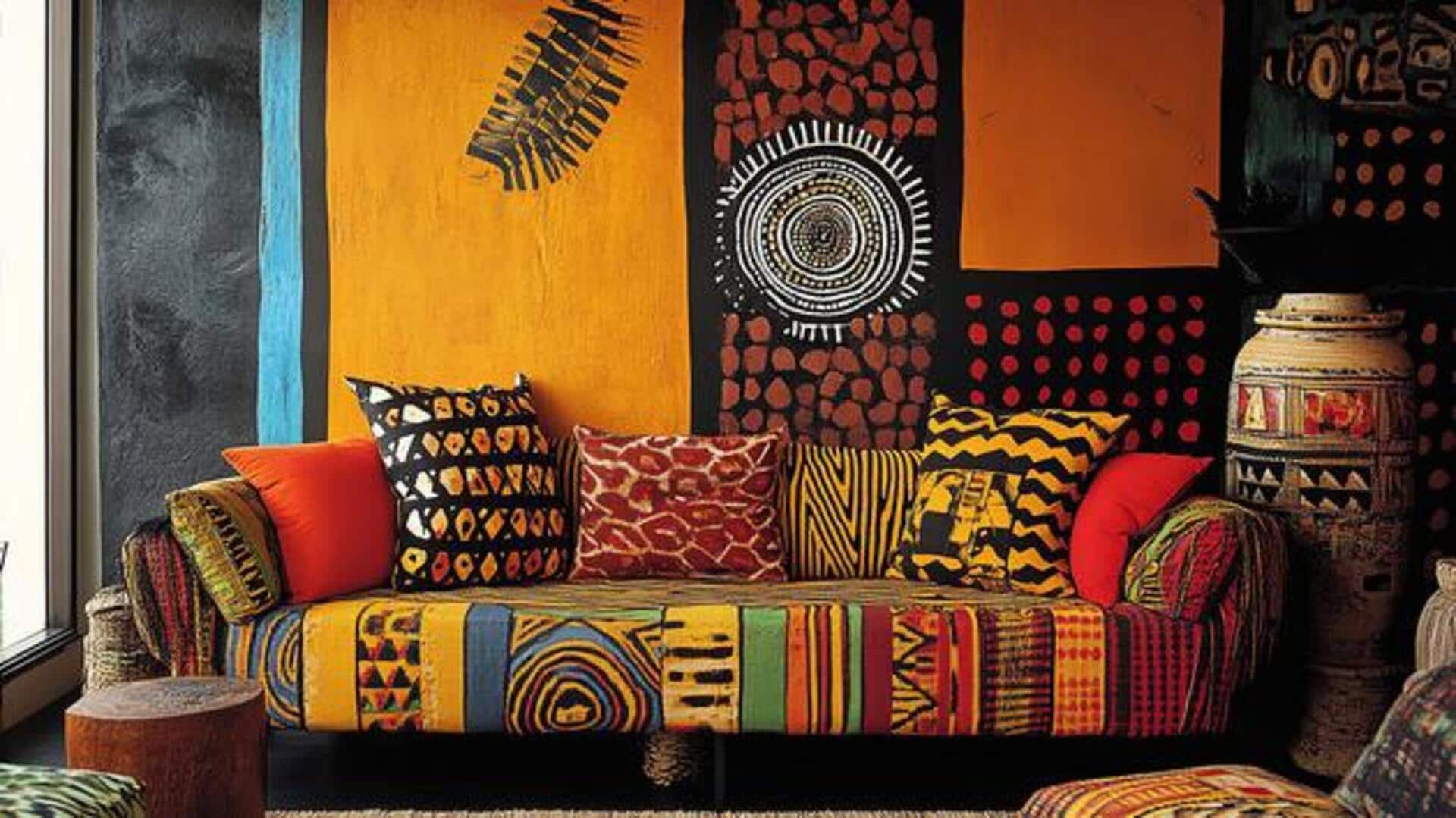
African mudcloth, the traditional textile from Mali, is making a comeback in contemporary home decor. The handcrafted fabric, which is made from cotton and dyed with natural materials, is famous for its intricate patterns and cultural significance. Now, designers are incorporating mudcloth into modern interiors to add a touch of history and artistry. Here's how mudcloth is being used in today's decor trends.
#1
Versatile textile applications
African mudcloth is being used in a variety of ways in home decor. From throw pillows to wall hangings, the fabric's versatility makes it ideal for different applications. Its bold patterns can serve as statement pieces or subtle accents, depending on how it's used. The adaptability of mudcloth allows homeowners to experiment with different styles while still embracing its unique aesthetic.
#2
Sustainable design choices
The increasing popularity of African mudcloth also stems from the growing demand for sustainable design options. The traditional production process employs natural dyes and eco-friendly methods, making it an ideal choice for environmentally conscious consumers. By choosing mudcloth, one supports sustainable practices and also contributes to the preservation of cultural craftsmanship.
#3
Cultural significance in modern decor
Incorporating African mudcloth into home decor also brings cultural significance to modern spaces. Each pattern tells a story or represents a specific meaning within its community of origin. This adds depth and character to interior design by connecting contemporary living spaces with rich cultural traditions.
#4
Mixing patterns for visual interest
Designers are also mixing African mudcloth with other textiles to create visually interesting spaces. The bold patterns of mudcloth contrast beautifully with softer fabrics or neutral tones, adding dimension without overwhelming the room's aesthetic balance. This technique encourages creativity in interior design by allowing different textures and patterns to coexist harmoniously.