How African pottery is inspiring modern clay art
What's the story
African pottery is a rich tradition that has inspired modern clay art across the globe. The techniques, designs, and cultural significance of African pottery have influenced contemporary artists in their quest for creative expression. From the intricate patterns to the functional forms, African pottery offers a wealth of inspiration for modern clay artisans. This article delves into how African pottery continues to shape and inspire today's clay art scene.
#1
Traditional techniques in modern art
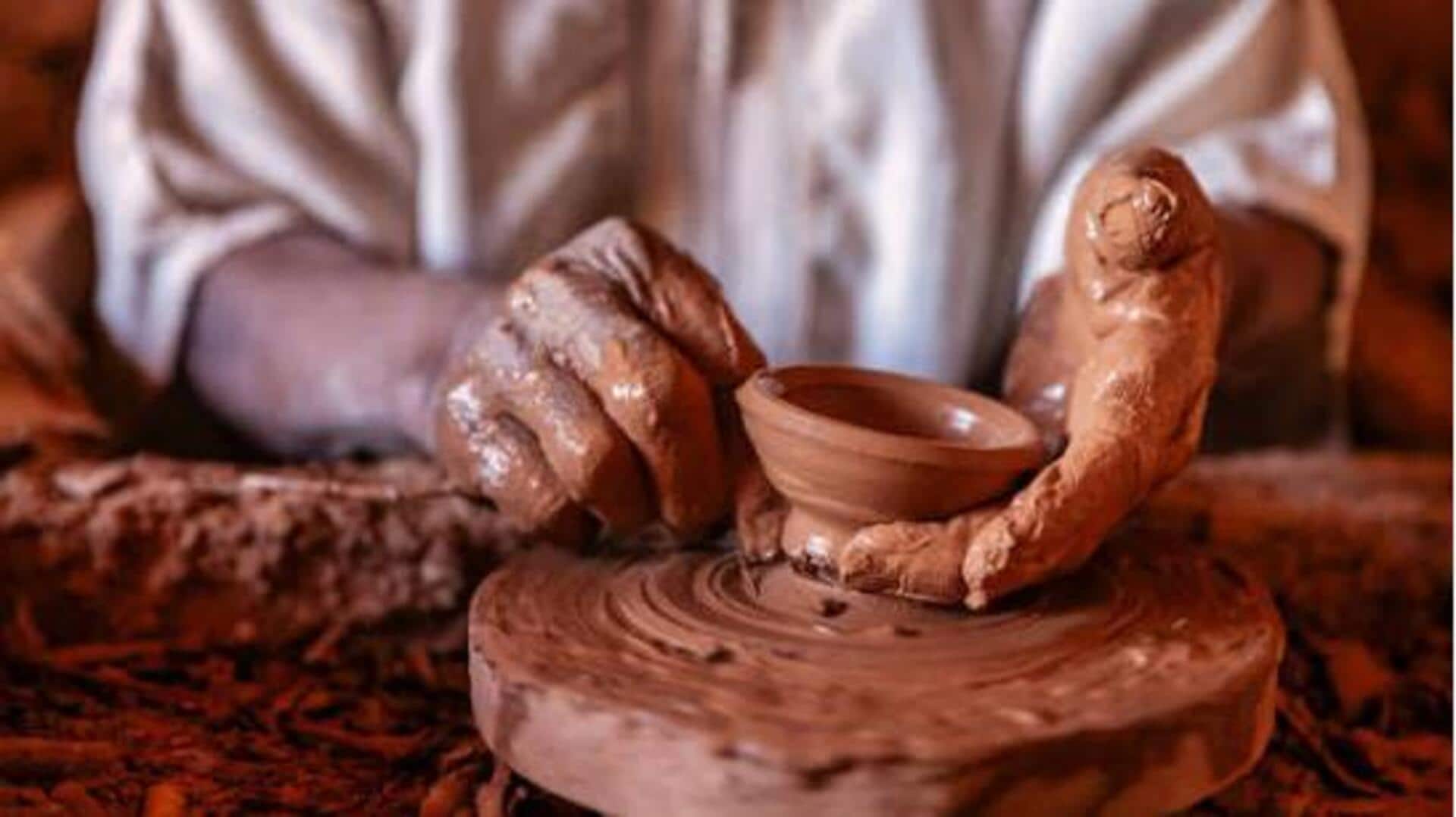
Traditional African pottery techniques, such as hand-building and coiling, are widely used by modern artists.
These techniques allow for the creation of unique forms that celebrate the beauty of imperfection.
The use of natural materials like clay and water remains a staple, ensuring that the essence of traditional methods is preserved, while adapting to contemporary tastes.
#2
Cultural significance influencing design
The cultural significance of African pottery also influences modern designs.
Many artists incorporate symbols and motifs rooted in African heritage into their work.
These designs serve as a link between past and present, allowing viewers to appreciate the rich history behind each piece.
By marrying cultural elements with modern aesthetics, artists create pieces that resonate with diverse audiences.
#3
Sustainability practices from traditional methods
Sustainability is a key principle in both traditional African pottery and modern clay art.
Many artists draw inspiration from sustainable practices, such as using locally sourced materials, and minimizing waste during production processes.
This focus on sustainability not only honors the environment but also aligns with the growing demand for eco-friendly art forms.
#4
Global influence on contemporary clay art
The global influence of African pottery extends beyond borders, impacting contemporary clay art worldwide.
Artists around the world look at African styles for inspiration in their own creations, resulting in a fusion of cultures through shared artistic techniques.
This cross-cultural exchange enriches the global art community by introducing new perspectives rooted in Africa's rich artistic heritage.