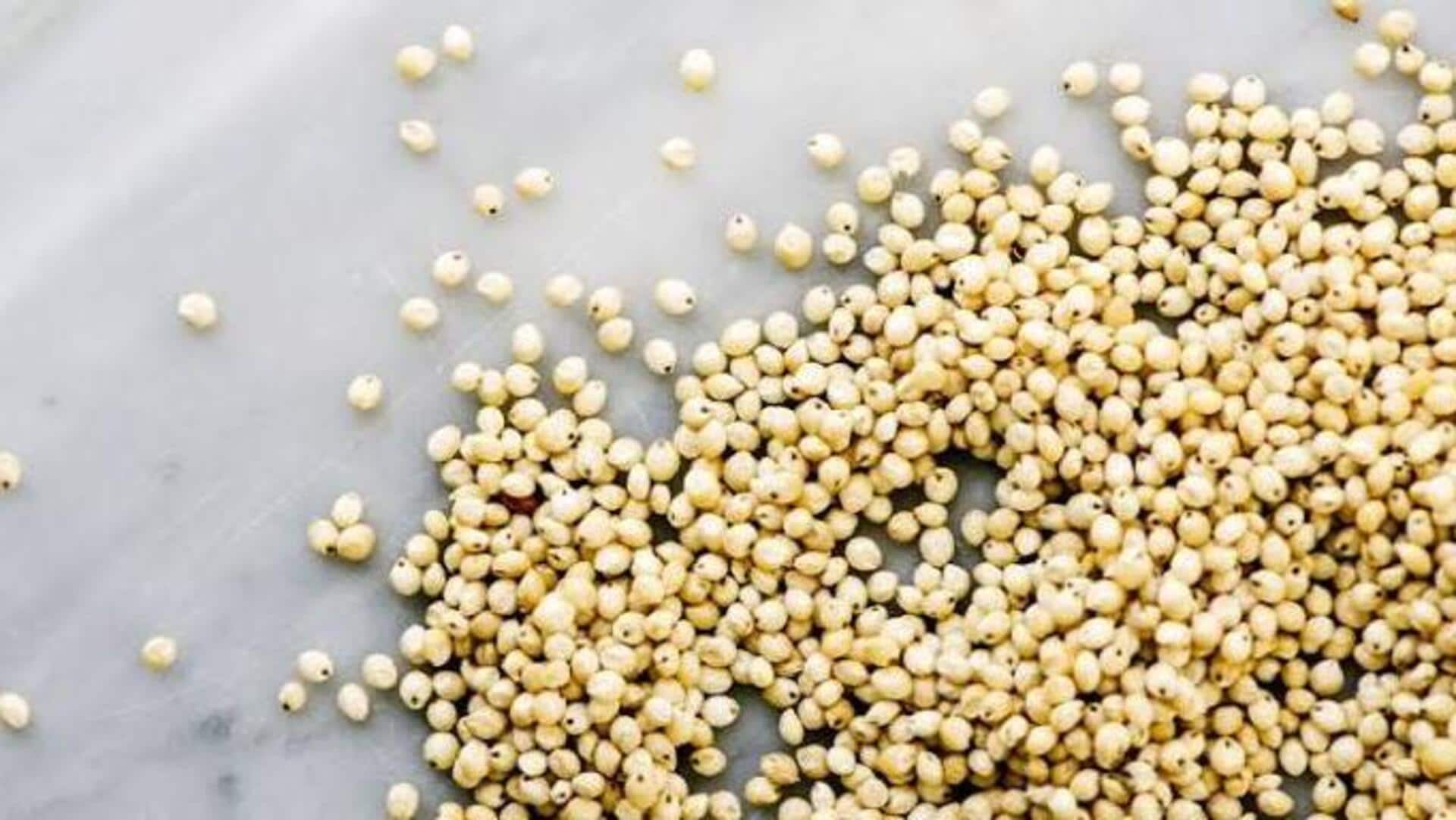
How and why to add sorghum to your diet
What's the story
African sorghum, a staple in many parts of Africa, is slowly making its way into the global health scene. With its rich nutrient profile and versatility, this ancient grain is now being hailed for its health benefits. Packed with essential nutrients, sorghum is an excellent addition to a balanced diet. Here is how you can incorporate African sorghum into your daily meals and enjoy its nutritional perks.
#1
Nutrient-rich grain for health
African sorghum is loaded with essential nutrients, such as fiber, protein, and vitamins.
It makes for an excellent source of B vitamins, which are important for energy production and brain function.
The high fiber content helps in digestion and keeps blood sugar levels stable.
Plus, it is gluten-free, making it a perfect choice for those with gluten intolerance or celiac disease.
#2
Versatile cooking options
Sorghum can be prepared in several ways, making it a versatile ingredient in any kitchen.
It can be cooked like rice or quinoa and used in salads or as a side dish.
Flour made from sorghum can be used in baking bread or pancakes.
Its mild flavor makes it blend well with other ingredients, without overpowering them.
#3
Antioxidant properties of sorghum
One of the most striking features of African sorghum is its high antioxidant content.
These antioxidants play a vital role in protecting cells from damage caused by free radicals.
This protection can lower the risk of chronic diseases, such as heart disease and certain types of cancer.
Adding sorghum to your diet can be a simple, yet effective, way to enhance your body's defense against oxidative stress.
#4
Sustainable crop with environmental benefits
Sorghum is also a sustainable crop that requires less water than other grains, making it environmentally friendly.
It grows well in arid regions where other crops may fail due to drought conditions.
By choosing sorghum over more water-intensive grains, consumers can contribute to more sustainable agricultural practices, while enjoying its nutritional benefits.