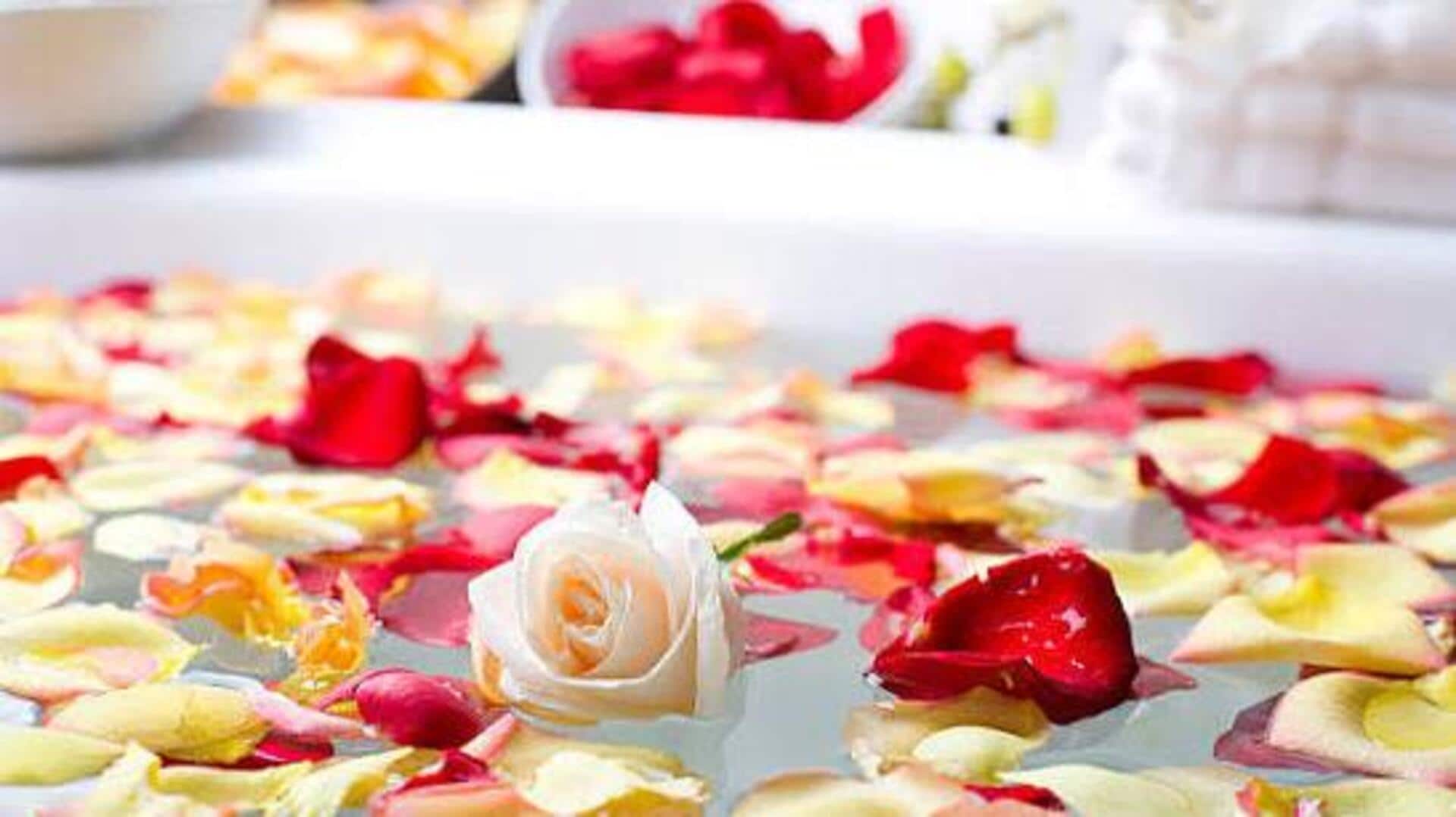
Aromatic bathing: An African tradition to know about
What's the story
Aromatic bathing, a practice deeply rooted in African traditions, is a holistic approach to wellness. It combines the use of natural scents and elements to promote relaxation and rejuvenation. This ritual is not just about cleanliness, but also about spiritual and physical well-being. Many African tribes have their unique methods of incorporating local plants and herbs into their bathing routines, making it a culturally rich experience.
#1
Use of local herbs in bathing
In many African communities, local herbs are an integral part of aromatic bathing.
Plants such as rosemary, lavender, and mint are commonly used for their soothing properties.
These herbs are often boiled or steeped in water before being added to the bath.
The natural oils released from these plants can help relax muscles and improve mood.
#2
Ritualistic elements in bathing practices
Aromatic bathing is often accompanied by ritualistic elements that vary from tribe to tribe.
Some may include chanting or meditation, while others might involve specific sequences of actions performed during the bath.
These rituals are usually passed down through generations and hold cultural significance beyond mere hygiene.
#3
Benefits beyond physical cleanliness
The benefits of aromatic bathing go beyond physical cleanliness.
It is believed to enhance mental clarity and emotional balance by providing a tranquil environment conducive to reflection or meditation.
Regular practice can lead to reduced stress levels, and improved overall health.
#4
Modern adaptations of traditional practices
In recent years, traditional African aromatic bathing practices have been adapted for modern use without losing their essence.
Today, you can find products inspired by these traditions in global markets, making them accessible to a wider audience.
From essential oils to herbal blends, modern adaptations offer the same benefits as traditional methods.