How African woodcarving is shaping modern decor
What's the story
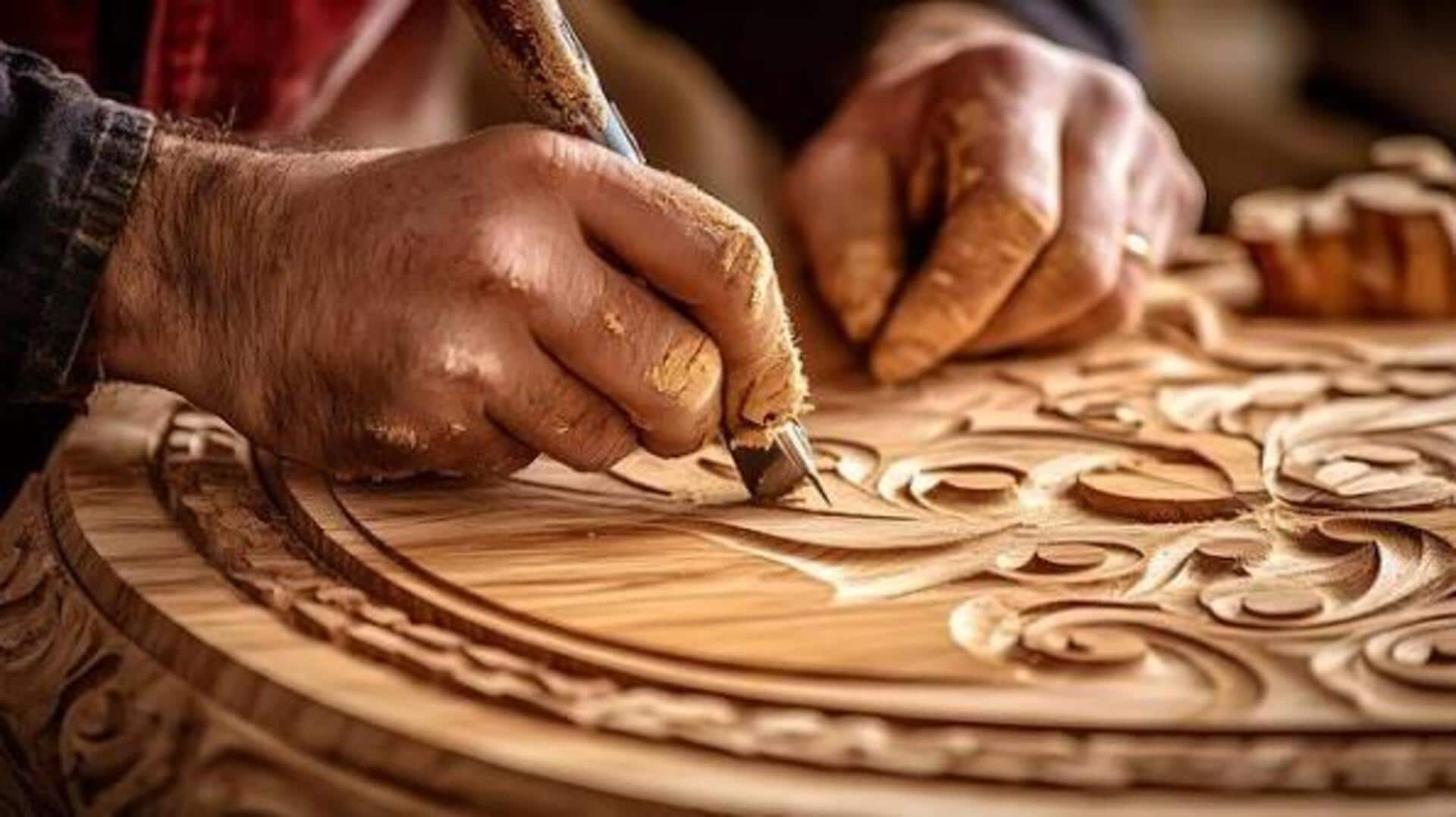
African woodcarving has been a part of the continent's rich cultural heritage for centuries. The intricate designs and craftsmanship of these carvings are now being integrated into modern design, resulting in a unique blend of tradition and innovation. From furniture to home decor, African woodcarving is making its mark on contemporary aesthetics. Here are some ways this traditional art form is influencing modern design trends.
#1
Sustainable materials in modern design
African woodcarving also emphasizes the use of sustainable materials, which is becoming increasingly important in modern design.
Artisans often use locally sourced wood, which minimizes environmental impact and supports local economies.
This focus on sustainability resonates with consumers looking for eco-friendly products.
By incorporating these practices, designers can create pieces that are not only beautiful but also environmentally responsible.
#2
Unique patterns and textures
The intricate patterns and textures found in African woodcarving add depth and character to modern designs.
These elements can be seen in everything from furniture to textiles, providing a distinctive aesthetic that stands out in contemporary settings.
The use of geometric shapes, organic forms, and detailed carvings adds visual interest and can elevate any space.
#3
Cultural storytelling through design
African woodcarvings are also a medium for cultural storytelling, with many pieces depicting historical events or symbolic motifs.
When incorporated into modern design, they bring a narrative element that connects users with the rich traditions of Africa.
This storytelling aspect adds emotional value to the products and makes them more meaningful to consumers.
#4
Fusion of traditional techniques with modern technology
The fusion of traditional African woodcarving techniques with modern technology is revolutionizing the design industry.
CNC machines are now being used to replicate intricate designs with precision, while retaining the essence of handcrafted artistry.
This combination allows for mass production without compromising on quality or authenticity, making it possible for a wider audience to appreciate these unique creations.