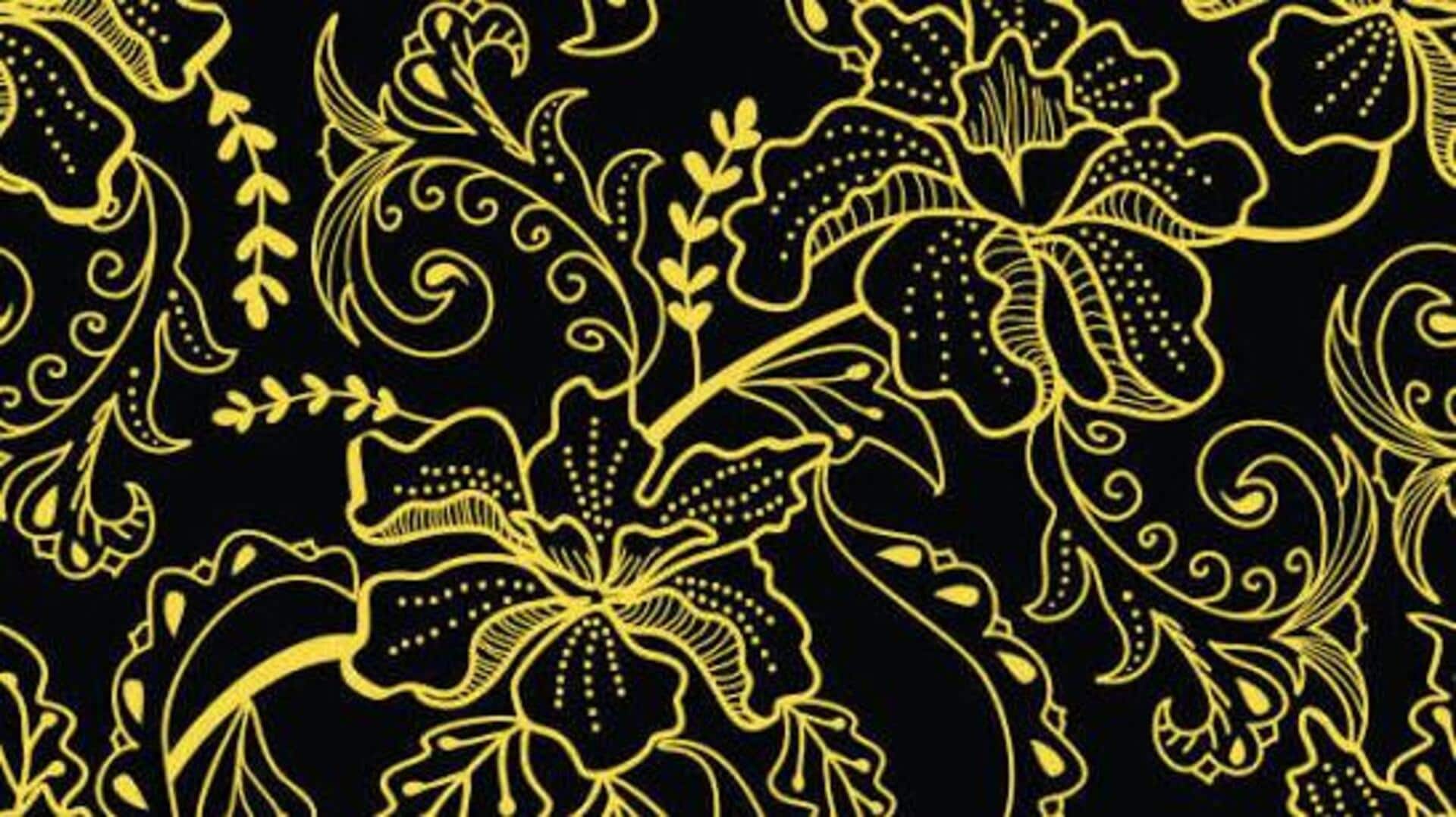
How batik art is inspiring new trends in design
What's the story
Batik art, a traditional fabric-dyeing technique, is making waves in Africa's creative industries. This ancient craft, which involves applying wax to fabric and dyeing it, is now being used in fashion, interior design, and visual arts. Artists and designers are adopting batik to add cultural significance and uniqueness to their work. The resurgence of batik not only preserves cultural heritage but also offers new avenues for innovation and economic growth across the continent.
#1
The cultural significance of batik
Batik has deep cultural roots in many African communities. It is often used to tell stories or represent symbols that are important to the community.
The use of traditional patterns and colors makes batik a canvas for cultural expression.
As artists rediscover these techniques, they preserve their heritage while adding modern twists that appeal to global audiences.
#2
Batik in fashion design
In the fashion industry, batik is a hot favorite for its vibrant colors and intricate designs. Designers are incorporating batik into clothing lines, creating unique pieces that stand out in the global market.
The versatility of batik allows it to be used in everything from casual wear to high-end fashion collections.
This trend not only promotes local craftsmanship but also opens up new markets for African designers.
#3
Interior design with batik elements
Batik's bold patterns and rich colors are perfect for interior design applications.
From home decor items like cushions and curtains to larger installations like wall hangings or upholstery, batik can add an exotic touch to any space.
Interior designers are increasingly using batik fabrics as statement pieces or accents within modern home settings.
#4
Visual arts inspired by batik techniques
Visual artists are also inspired by batik techniques, applying them beyond textiles onto canvas or paper mediums.
The process of applying wax resist creates unique textures and patterns that can be explored through painting or printmaking methods.
These artworks often reflect contemporary themes while honoring traditional aesthetics inherent in this age-old craft.