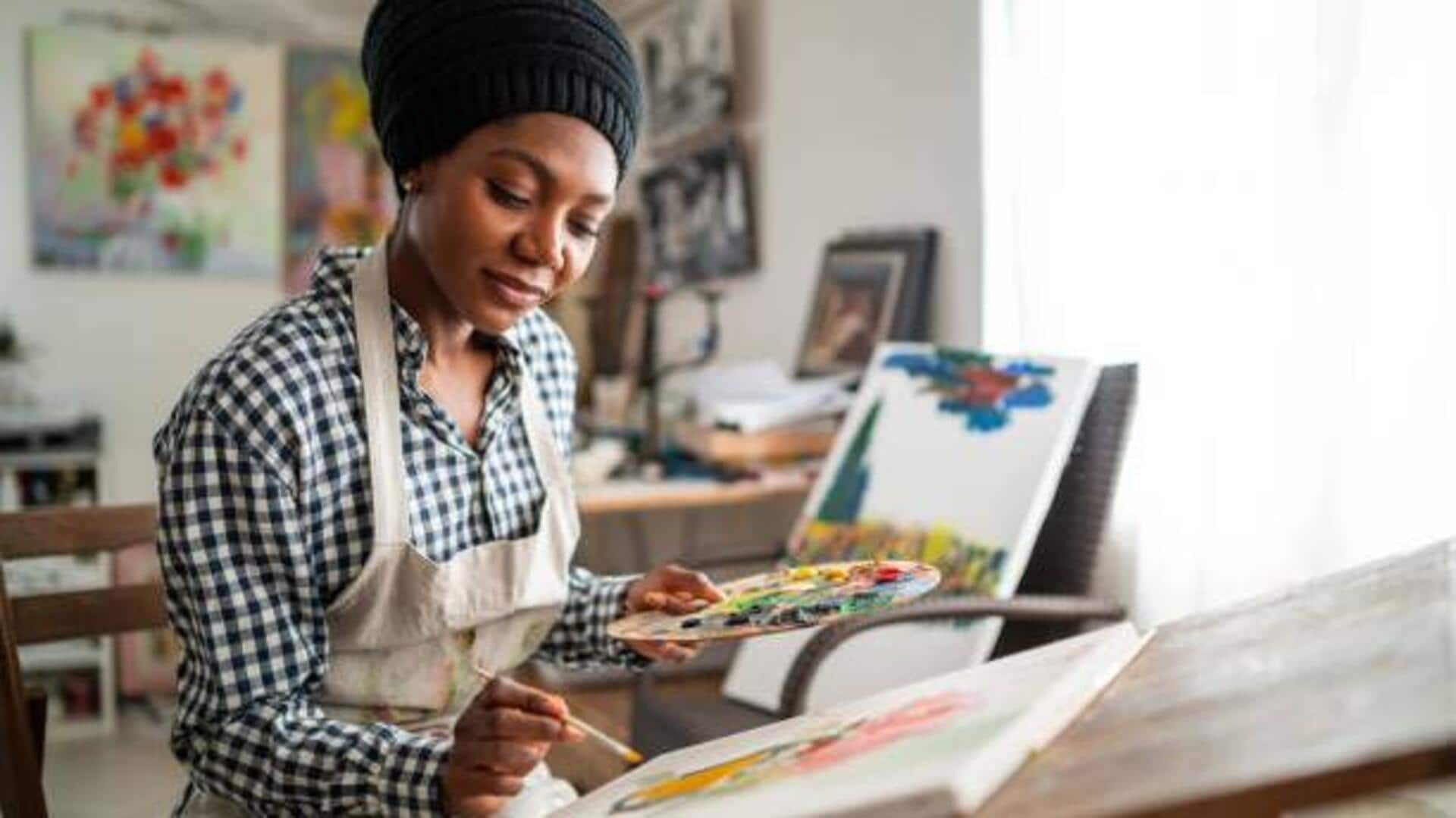
How African artists are shaping global art education
What's the story
African diaspora artists are making waves in the global art education scene, bringing in fresh perspectives and innovative techniques. Their contributions are not just enriching the world of art but also redefining how art is taught and perceived around the world. By blending traditional African art forms with contemporary practices, these artists are redefining the boundaries of creativity and education.
#1
Integrating traditional techniques
Many African diaspora artists incorporate traditional techniques into their work, providing a rich cultural context. These techniques often involve methods passed down through generations, such as weaving, carving, and painting. By integrating these practices into their art education programs, they provide students with a deeper understanding of cultural heritage and artistic diversity.
#2
Emphasizing community engagement
Community engagement is another key aspect of art education led by African diaspora artists. Many of them conduct workshops and collaborative projects that involve local communities. This approach not only fosters a sense of belonging but also encourages participants to explore their own creativity. By emphasizing community involvement, these artists create inclusive spaces where diverse voices can be heard.
#3
Utilizing digital platforms
In today's digital age, many African diaspora artists leverage online platforms to reach wider audiences. Through virtual exhibitions, online courses, and social media channels, they make art education more accessible than ever. These digital tools allow for interactive learning experiences that transcend geographical barriers, making it easier for people around the world to engage with African art.
#4
Promoting sustainable practices
Sustainability is an important theme in the work of many African diaspora artists. They often incorporate eco-friendly materials and practices into their art-making processes, while teaching others about the importance of environmental responsibility. By promoting sustainable practices within art education frameworks, these artists contribute positively towards global efforts to protect our planet's resources.