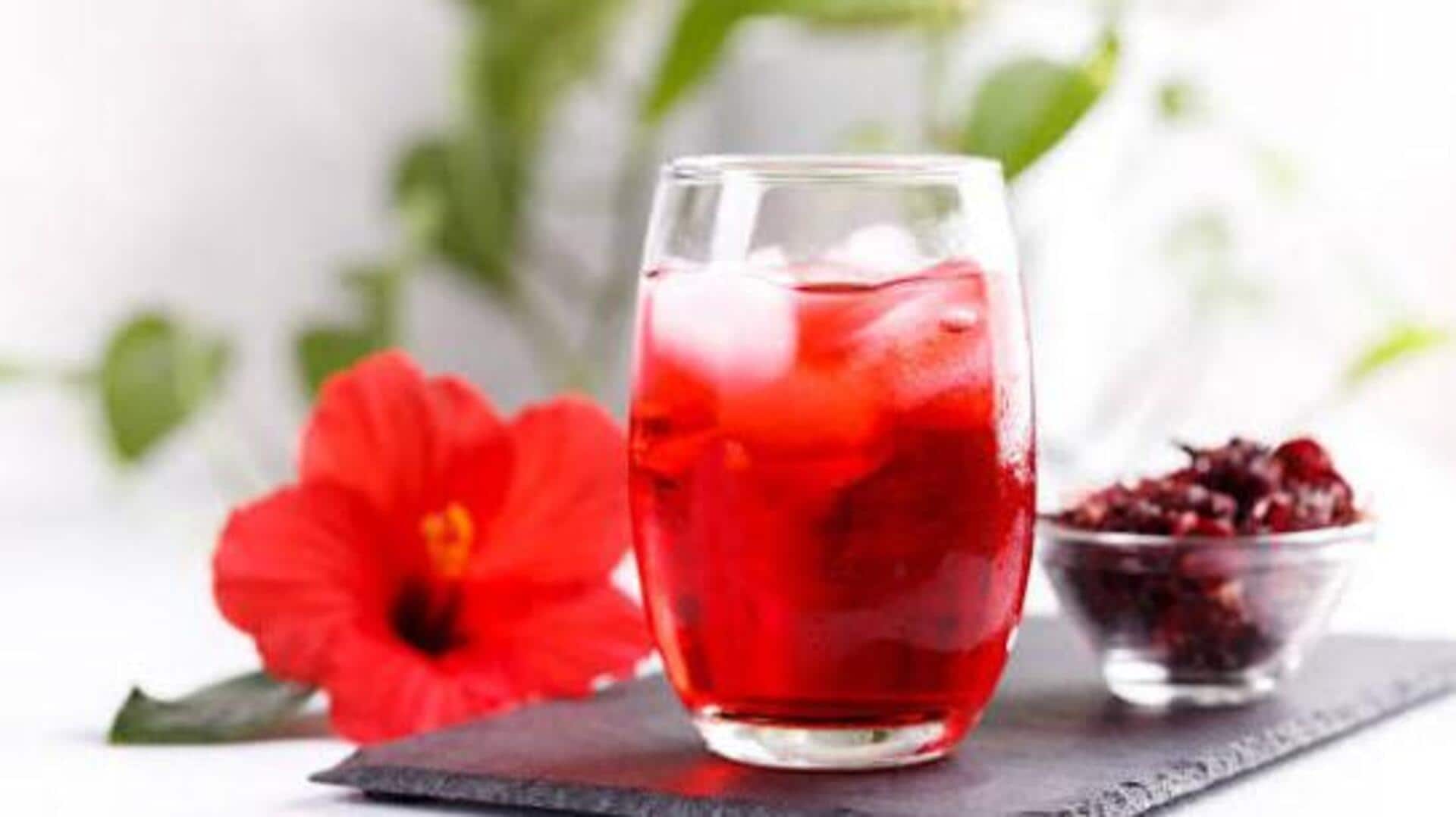
How hibiscus drinks are enjoyed across Africa
What's the story
Zobo, a refreshing drink made from hibiscus flowers, is loved across Africa. Each region has its own way of preparing this vibrant beverage, adding to its unique taste and cultural significance. From Nigeria to Senegal, the variations in ingredients and preparation methods show the continent's rich culinary diversity. Here are five distinct ways zobo is prepared in different African cultures, giving you a taste of tradition and innovation.
#1
Nigerian zobo with ginger and cloves
In Nigeria, zobo is often spiced with ginger and cloves for an extra kick.
The drink is prepared by boiling dried hibiscus petals with water, then adding ginger slices and whole cloves.
This combination gives the zobo a warm, aromatic flavor that goes well with its tartness.
The addition of these spices also makes the drink more refreshing and invigorating.
#2
Senegalese bissap with mint
In Senegal, zobo is popularly called bissap and is prepared with fresh mint leaves.
The hibiscus petals are boiled with water and sugar until they form a deep red infusion. After cooling, fresh mint leaves are added for flavor.
The result is a cool, minty version of zobo that is especially popular during hot weather.
#3
Ghanaian zobo with pineapple
Ghana adds another twist to zobo by adding pineapple juice or chunks during preparation.
The sweet tropical flavor of pineapple balances the tartness of hibiscus perfectly.
In Ghanaian households, this version of zobo is often served at celebrations or family gatherings, as it adds a fruity twist to the traditional recipe.
#4
Malawian zobo infused with lemongrass
In Malawi, lemongrass is a common ingredient in zobo preparation.
The lemongrass stalks are boiled with dried hibiscus petals to create an aromatic infusion.
This method adds citrusy notes to the drink while retaining its signature tartness.
Malawians love this version of zobo for its refreshing qualities.
#5
Ugandan zobo sweetened with honey
In Uganda, honey is the preferred sweetener for zobo instead of sugar or other sweeteners.
The natural sweetness of honey complements the tangy flavor of hibiscus flowers perfectly, without overpowering them.
This method results in a smoother taste profile that's loved by many who prefer natural sweeteners over refined ones.