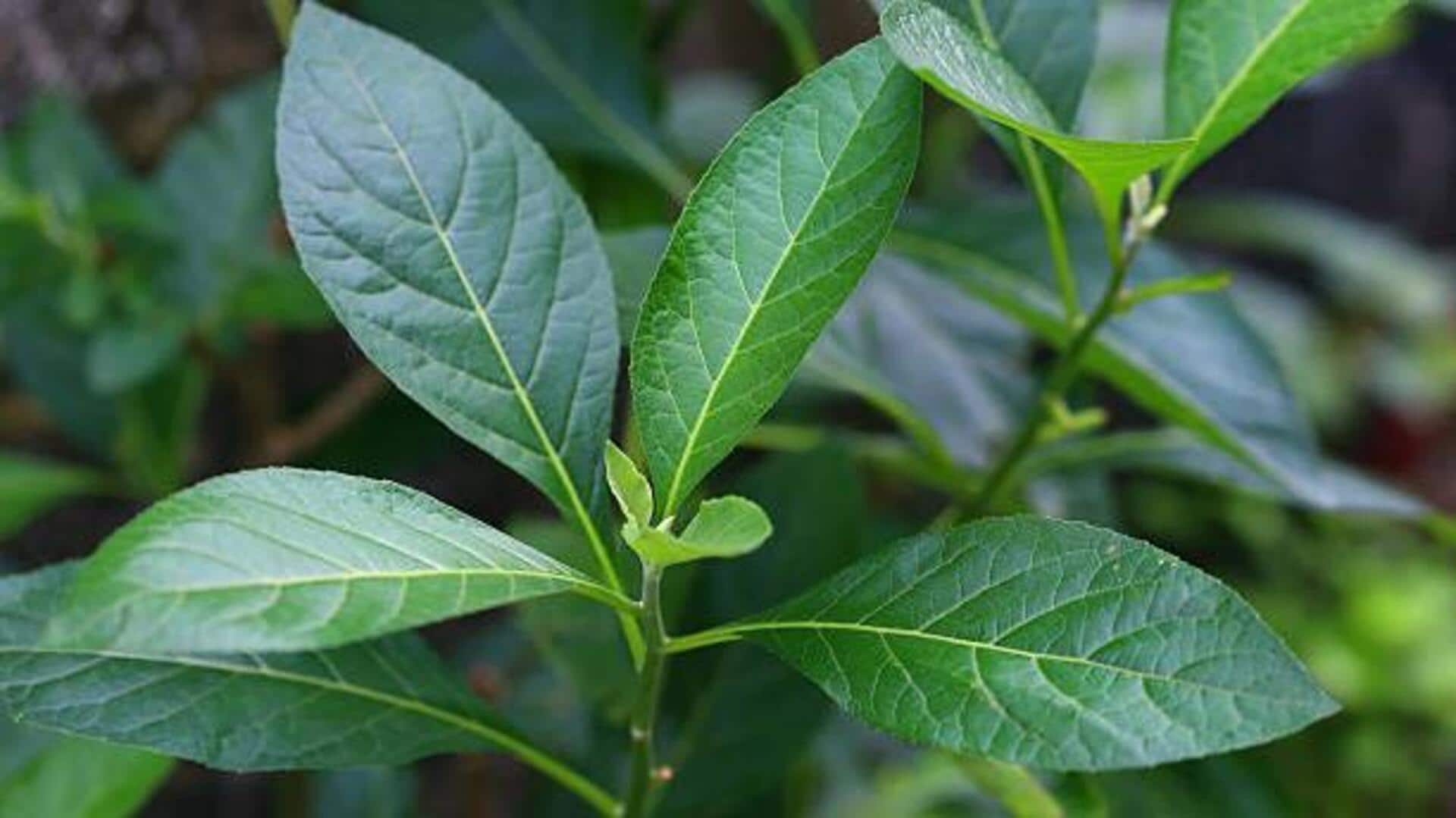
How bitter leaf is used in African cuisine
What's the story
African bitter leaf, a versatile plant, is used in the cuisines of various cultures across the continent. Known for its unique flavor and health benefits, it is an integral part of traditional dishes. From soups to stews, this leaf adds a distinctive taste that many have come to love. Here are five ways African bitter leaf is used in cooking across different cultures.
#1
Enhancing soups with bitter leaf
In many African cultures, bitter leaf is commonly added to soups for its distinct taste. The bitterness balances out other flavors and gives depth to the dish.
In Nigeria, for example, it is a key ingredient in the popular soup called Ofe Nsala.
The leaves are usually washed thoroughly to reduce their bitterness before being added to the soup.
#2
Bitter leaf as a health booster
Beyond its culinary use, bitter leaf is also prized for its health benefits.
It is believed to aid digestion and improve overall health due to its rich nutrient profile.
In some cultures, people consume it regularly as part of their diet to reap these benefits.
Its inclusion in meals not only enhances flavor but also contributes positively to well-being.
#3
Traditional stews featuring bitter leaf
Bitter leaf is also a staple in traditional stews across Africa.
The leaves lend a robust flavor that complements vegetables and legumes commonly used in these dishes.
In Ghanaian cuisine, for example, bitter leaf stew is a popular dish that highlights the plant's unique taste profile.
#4
Incorporating bitter leaf into salads
In some regions, fresh bitter leaves are used in salads or served as a side dish with other vegetables.
The leaves are usually mixed with other greens or fruits to balance their strong flavor with milder ones.
This method of preparation allows one to enjoy the fresh taste of bitter leaves without overpowering them.
#5
Cultural significance of bitter leaf dishes
Bitter leaf dishes hold cultural significance beyond their taste and nutritional value.
They are often served during special occasions or family gatherings as a symbol of tradition and heritage.
The preparation methods and recipes passed down generations highlight the importance of this plant in African culinary practices.