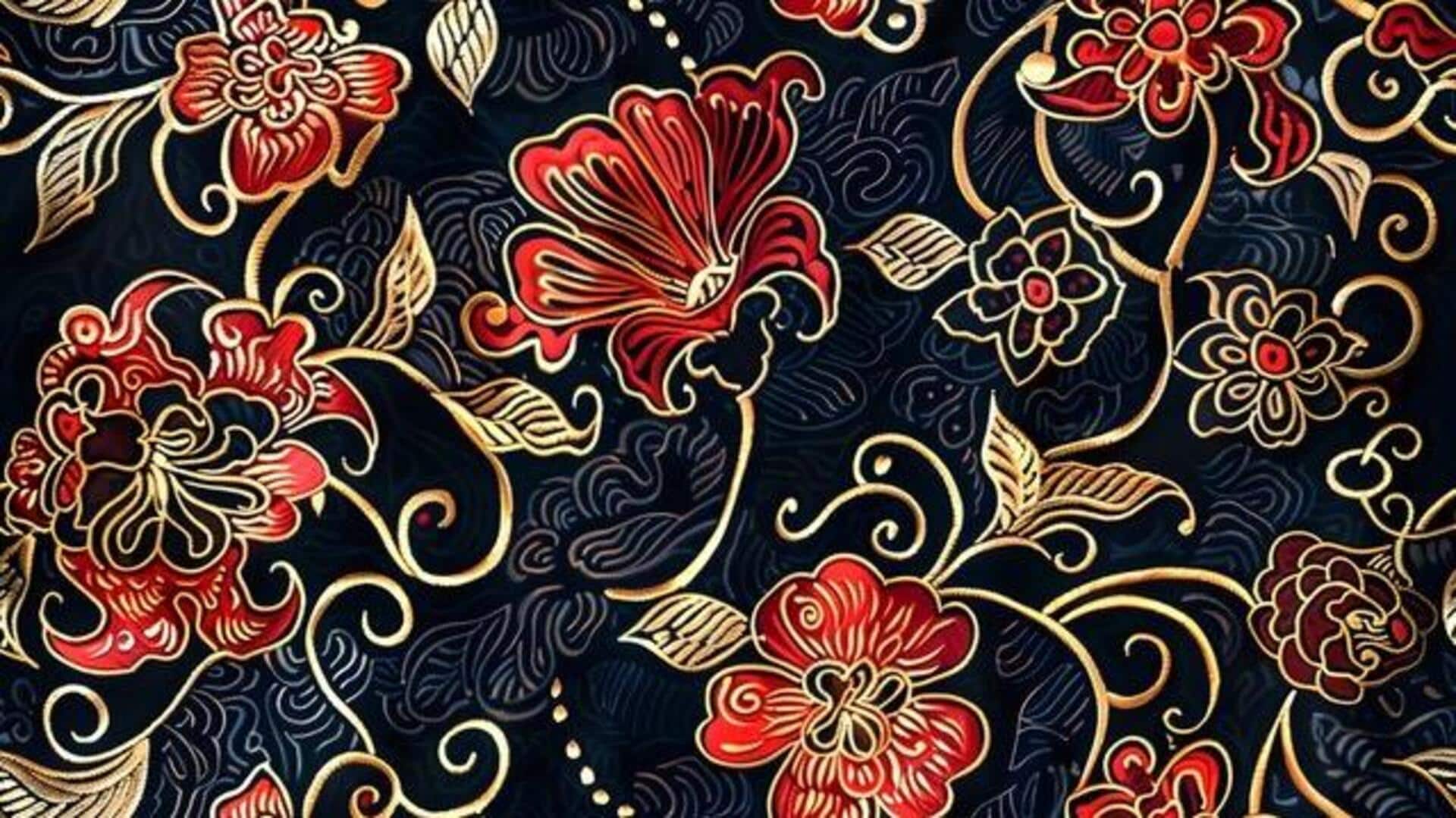
How contemporary artists are redefining batik art
What's the story
African batik art is a traditional textile technique that uses wax and dye to create intricate patterns on fabric. The art form, which is centuries old, has been a part of African culture for generations. Recently, artists have begun to experiment with new techniques, including holographic designs, to modernize the traditional craft. The combination of these two elements opens up new possibilities for creativity and innovation in the world of fashion and design.
#1
The fusion of tradition and technology
The fusion of African batik art with holographic designs is a perfect example of how tradition can be married with modern technology.
By adding holographic elements to the already intricate patterns of batik, artists can create stunning visual effects that change with the angle of light.
This not only enhances the aesthetic appeal but also gives a new dimension to the traditional craft.
#2
Expanding creative possibilities
Combining batik art with holographic designs expands the creative possibilities for artists and designers alike.
The combination allows for endless experimentation with colors, patterns, and textures.
Artists can now explore new ways to express their creativity while staying true to their cultural roots.
The result is a dynamic interplay between old and new, offering fresh perspectives on traditional art forms.
#3
Impact on fashion industry
The integration of African batik art and holographic designs is making waves in the fashion industry. Designers are now incorporating these elements into clothing lines, accessories, and even footwear.
The result is a unique blend that appeals to both traditionalists who appreciate cultural significance and modern consumers seeking innovative styles.
This trend not only revitalizes interest in batik but also showcases its versatility in contemporary fashion.
#4
Challenges and opportunities ahead
While merging African batik art with holographic designs opens up exciting opportunities, it also comes with its own set of challenges.
Artists have to find ways to work with new materials without losing the essence of traditional techniques.
However, overcoming these challenges can lead to groundbreaking innovations that push the boundaries of what is possible in textile design.