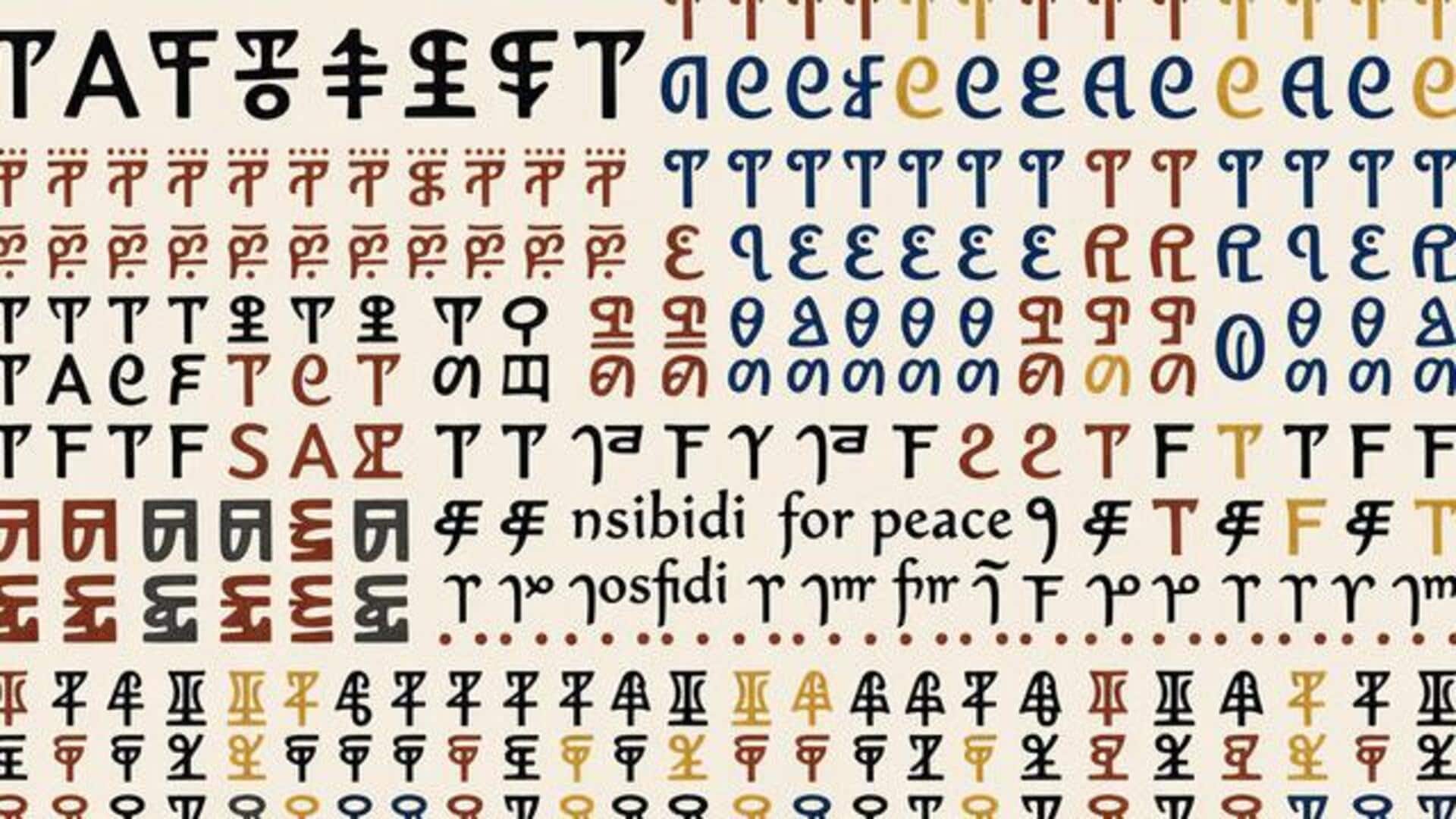
Nigeria's Nsibidi symbols: History and significance
What's the story
Ancient Nsibidi symbols are making a comeback in modern African pottery, giving a whole new meaning to the art form. The symbols, which originated in what is now southeastern Nigeria, were used for communication and storytelling. Today, artists are incorporating these intricate designs into their work, creating a bridge between the past and the present. This revival highlights the cultural significance of Nsibidi, while showcasing its versatility in contemporary art.
Historical roots
The history of Nsibidi symbols
Nsibidi symbols have been used for centuries by various ethnic groups in Nigeria for communication and ceremonial purposes.
The symbols cover a wide range of meanings from love and friendship to authority and conflict resolution.
They were traditionally inscribed on objects or drawn on surfaces during important events.
The use of Nsibidi declined with colonialism, but it has seen a resurgence as artists explore their cultural heritage.
Contemporary designs
Modern interpretations in pottery
Modern African potters are creatively using Nsibidi symbols to add depth and meaning to their work.
By incorporating these ancient designs, they create pieces that resonate with both historical significance and modern aesthetics.
The symbols can be seen etched or painted onto clay surfaces, giving each piece a unique character that reflects the artist's interpretation of this rich cultural language.
Present relevance
Cultural significance today
The revival of Nsibidi symbols in pottery also highlights the importance of cultural identity in today's world.
As more artists embrace these designs, they contribute to a broader conversation about heritage, tradition, and innovation.
This trend encourages a greater appreciation for African art forms, while also fostering a sense of pride among communities connected to this ancient script.
Artistic hurdles
Challenges faced by artists
While incorporating Nsibidi symbols into pottery is rewarding, it also comes with its own set of challenges.
Artists often struggle with accurately representing the intricate designs without losing their essence or meaning.
There is also the need to balance traditional techniques with modern styles to appeal to diverse audiences while staying true to cultural roots.