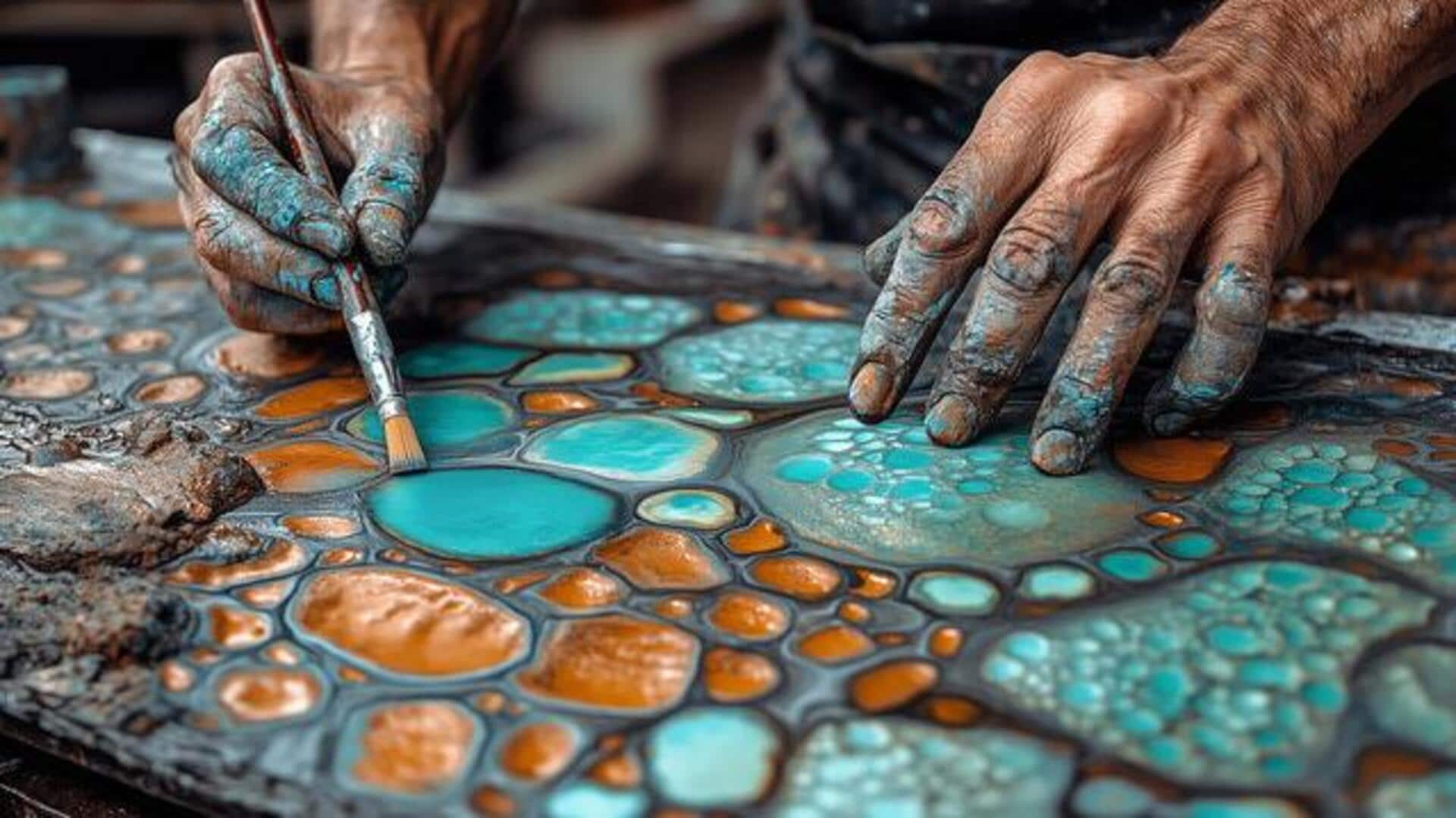
How artists are redefining resin art today
What's the story
African sculptures are being redefined with a modern twist of resin art. The fusion of traditional techniques and contemporary materials is giving a new life to age-old art forms. Artists are experimenting with resin to add color, texture, and durability to their sculptures. This innovative approach not only preserves the cultural significance of African art but also makes it appealing to a global audience.
#1
Blending tradition with innovation
Artists are now blending traditional African sculpture techniques with modern resin art. This fusion allows for the incorporation of vibrant colors and intricate details that were difficult to achieve with traditional materials alone. The use of resin also adds an element of modernity, attracting a wider audience interested in contemporary art forms.
#2
Enhancing durability and appeal
Resin's durability is a game changer for African sculptures. Unlike wood or clay, which can be prone to wear and tear, resin provides longevity. This means artworks can be displayed outdoors without fear of damage from weather elements. The glossy finish of resin also adds visual appeal, making sculptures more attractive to collectors and enthusiasts.
#3
Expanding artistic possibilities
The versatility of resin opens up new avenues for creativity in African sculpture. Artists can experiment with different textures, layers, and effects that were previously impossible or impractical with traditional materials. This freedom encourages innovation and experimentation, resulting in unique pieces that stand out in the art world.
#4
Economic impact on local communities
The integration of resin art into African sculpture has economic implications for local communities. It creates new opportunities for artists to showcase their work internationally, potentially increasing sales and income. As demand grows for these hybrid artworks, communities can benefit from increased tourism and interest in their cultural heritage.