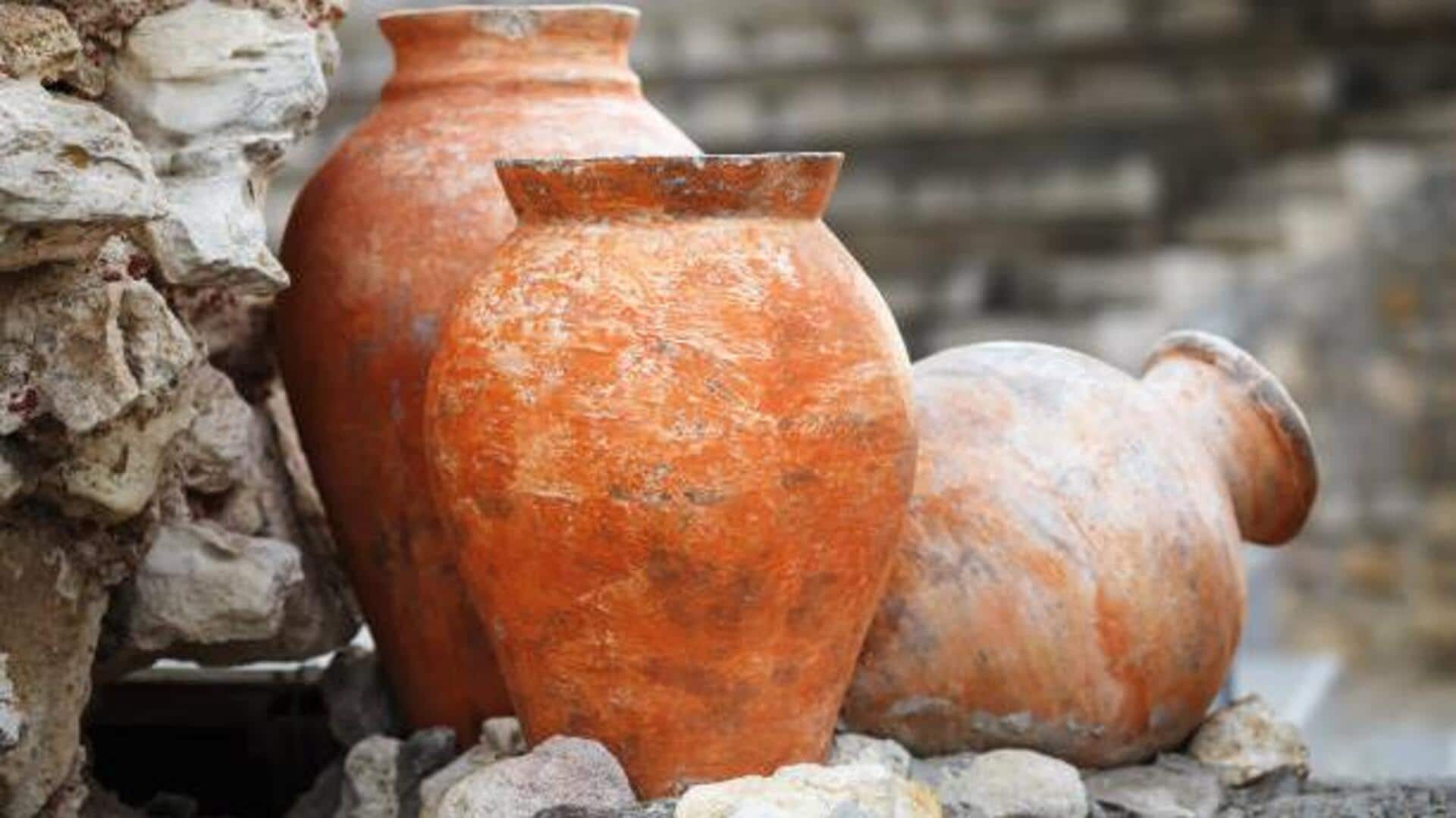
How terracotta pottery is reshaping modern art
What's the story
African terracotta pottery has been a part of the continent's artistic heritage for centuries. Today, it is making a comeback as a key player in modern African art. The unique textures, forms, and cultural significance of terracotta are being embraced by contemporary artists who blend traditional techniques with modern aesthetics. This revival not only honors the past but also redefines African art's future.
#1
Reviving traditional techniques
Many contemporary African artists are returning to traditional terracotta techniques, passed down through generations.
These methods include hand molding, firing at low temperatures, and natural pigments.
By using these techniques, artists preserve cultural heritage while adding their own modern twist.
The result is a fusion of old and new that speaks to both local and global audiences.
#2
Exploring new forms and designs
Modern African terracotta pottery is also characterized by innovative forms and designs.
Artists are experimenting with abstract shapes, intricate patterns, and bold colors to create pieces that challenge conventional notions of pottery.
These new directions reflect the dynamic nature of African art today, as it evolves to meet contemporary tastes while staying rooted in tradition.
#3
Cultural storytelling through pottery
Terracotta pottery remains a powerful medium for cultural storytelling in Africa.
Many artists use their work to narrate stories or depict scenes from everyday life or historical events.
This narrative aspect adds depth to the pieces and makes them more than just decorative objects. They become vessels for cultural expression and education.
#4
Economic impact on local communities
The resurgence of terracotta pottery also has economic implications for local communities across Africa.
As demand increases both locally and internationally, more artisans are finding opportunities to sell their work at markets or galleries.
This not only provides income but also promotes sustainable practices within communities that rely on traditional craftsmanship as part of their livelihoods.