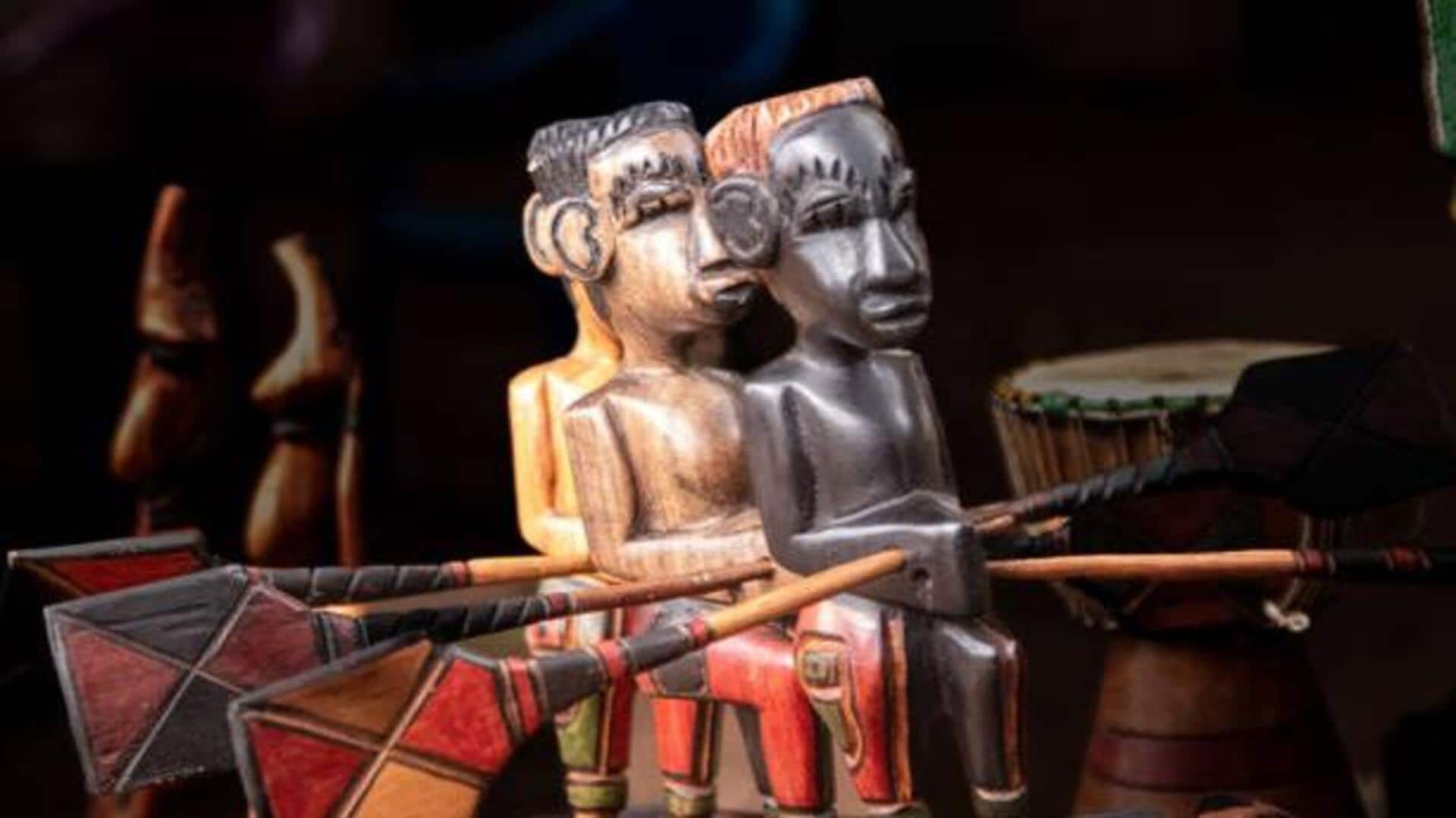
What makes African stone crafts so unique
What's the story
African stone crafts are a testament to the continent's rich cultural heritage and artistic prowess. These crafts, often made from locally sourced materials, reflect the diverse traditions and histories of various African communities. From intricate carvings to beautifully crafted sculptures, these artworks offer a glimpse into the lives and beliefs of their creators. Understanding the significance and uniqueness of these crafts can enhance appreciation for African art.
#1
The diversity of African stone crafts
African stone crafts vary widely from region to region, as each area has its own traditional techniques and styles.
In West Africa, for example, artisans are famous for their detailed carvings on soft stones like soapstone.
Meanwhile, East African craftsmen often work with harder stones like granite to create robust sculptures.
This diversity showcases the adaptability and creativity of African artisans in using different materials.
#2
Techniques used in crafting
The techniques used in making African stone crafts have been passed down through generations.
Carving is one of the most common methods, with artisans using basic tools to shape the stone into intricate designs.
Polishing is also an important step, giving the finished product a smooth surface and enhancing its natural beauty.
Some artisans even use traditional methods like sandblasting or engraving to add fine details.
#3
Cultural significance behind each piece
Every piece of African stone craft has cultural significance, often telling stories or representing symbols from the artisan's community.
For instance, some sculptures may depict historical events or important figures from local folklore.
Other pieces may be used in rituals or ceremonies, reflecting spiritual beliefs unique to each culture.
Understanding this context adds depth to the appreciation of these artworks.
Tip 1
Tips for purchasing authentic pieces
When buying African stone crafts, authenticity is key. Make sure you buy from reputable sources or directly from artisans themselves, if possible.
This way, you know the piece is genuine and not mass-produced elsewhere.
Also, consider supporting fair trade practices by choosing vendors who pay fair prices to artisans, ensuring they receive proper compensation for their work.