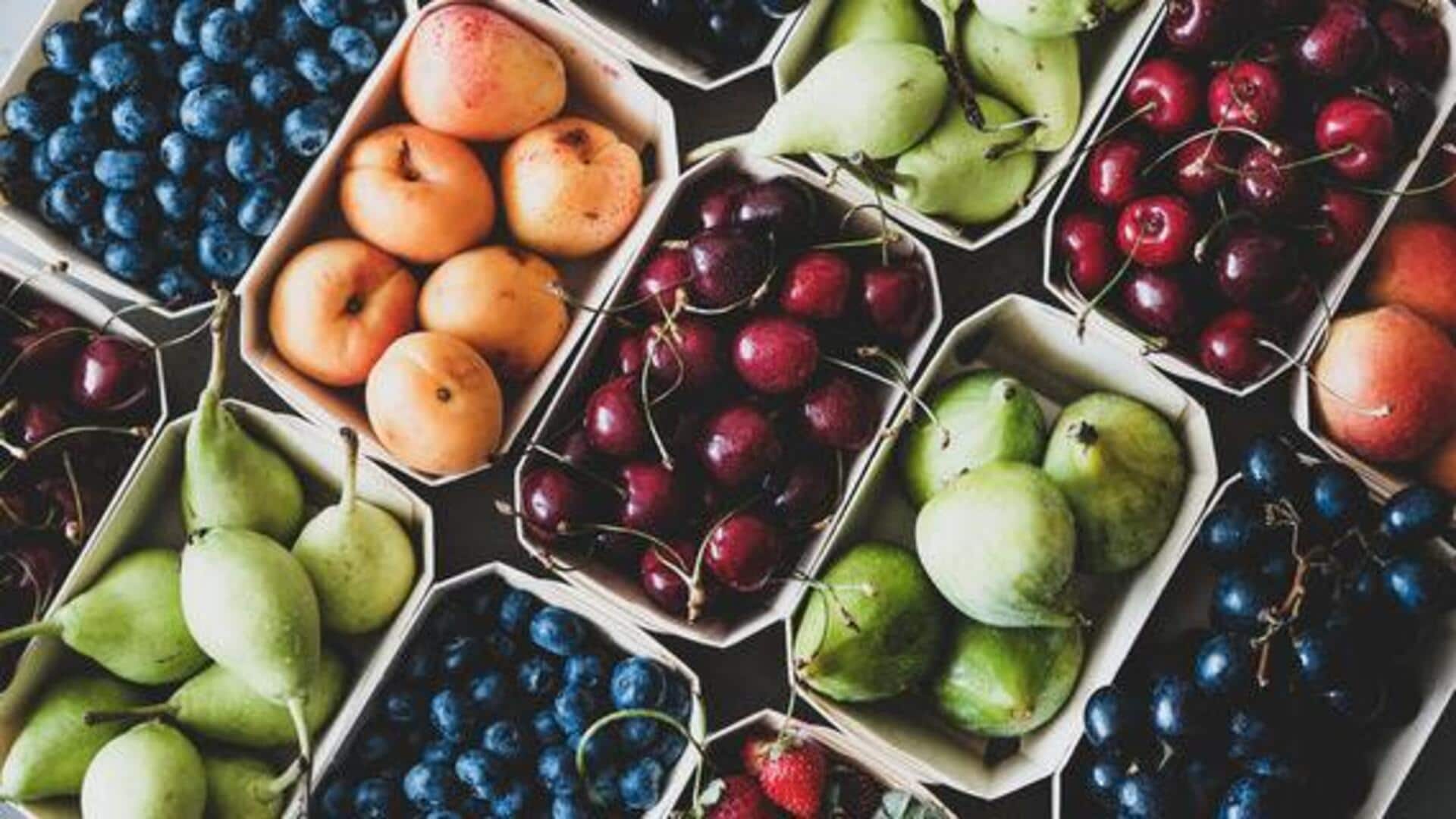
How to pick fresh organic produce
What's the story
Choosing organic African produce can be a rewarding experience, offering fresh and nutritious options. However, knowing how to pick the right items is essential for quality and taste. Here are five practical tips to help you select the best organic produce, ensuring freshness and flavor in your meals.
Tip 1
Check for freshness
When selecting organic African produce, always check for freshness. Look for vibrant colors, firm textures, and avoid any signs of wilting or browning. Fresh fruits and vegetables should feel heavy for their size, indicating high water content and freshness. For leafy greens, crisp leaves are a sign of quality.
Tip 2
Inspect packaging carefully
Packaging is key to keeping organic produce fresh. Make sure the packaging is intact with no signs of damage or tears. Damaged packaging can lead to contamination or spoilage. Also, look for certification labels that guarantee the product's organic status. These labels are usually placed prominently on the packaging.
Tip 3
Know seasonal availability
Understanding seasonal availability helps you choose the best quality produce at any time of the year. In Africa, many fruits and vegetables have specific growing seasons when they are most abundant and flavorful. Buying in season not only supports local farmers but also ensures you get produce at its peak ripeness.
Tip 4
Smell before you buy
Smelling is a great way to check the quality of organic produce. Fresh fruits like mangoes or pineapples give off a sweet aroma when ripe. Vegetables like tomatoes or cucumbers should have a mild, earthy scent. If an item smells off or overly ripe, it may be past its prime.
Tip 5
Ask about farming practices
Engaging with vendors about farming practices can provide valuable insights into how the produce was grown. Ask questions about pest management techniques, soil health practices, and water conservation methods used in cultivation processes. This information helps ensure you're supporting sustainable agricultural methods while enjoying high-quality organic products.