
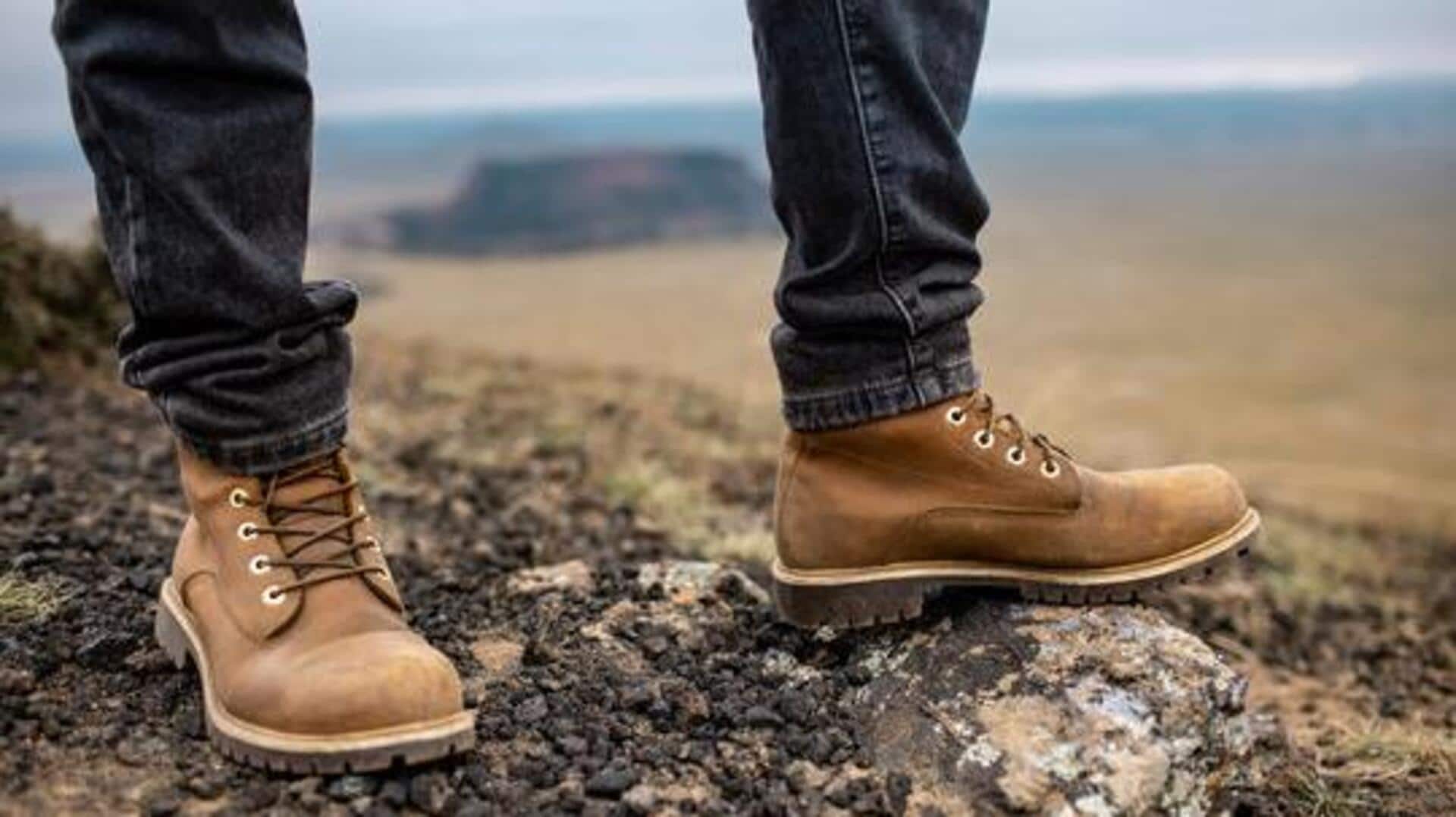
How to choose the right footwear for hiking
What's the story
Choosing the right shoes for African landscapes is essential for travelers and adventurers. The diverse terrains, from savannas to mountains, require footwear that offers comfort, durability, and support. This article provides insights into selecting shoes that can withstand various conditions encountered across the continent. Whether you're planning a safari or hiking expedition, understanding the characteristics of suitable footwear will enhance your experience and ensure safety.
#1
Prioritize comfort and fit
Comfort and fit are key when choosing shoes for African landscapes. Ill-fitting shoes can cause blisters and discomfort on long walks. It's best to try on shoes with the socks you would wear on your trip to get the right size. Shoes with adjustable features such as laces or straps give a better fit. Remember, comfortable footwear makes all the difference on uneven terrain.
#2
Consider terrain-specific features
Different terrains call for different shoe features. For rocky trails, shoes with good grip and sturdy soles are a must. If you're walking through wet areas, waterproof materials will keep your feet dry. Sandals with closed toes can be a good option for warm climates, but make sure they provide enough support. Knowing the terrain will help you choose the right shoe features.
#3
Opt for lightweight materials
Lightweight materials are a key consideration when selecting shoes for African landscapes. Heavy footwear can tire you out quickly, especially during long treks or hot weather. Look for shoes made from breathable fabrics that allow air circulation while providing adequate protection from rough surfaces. Lightweight boots or sneakers designed for hiking can offer both agility and support without adding unnecessary weight.
#4
Evaluate durability and protection
Durability is key when choosing shoes for African landscapes, given the rough conditions. Pick shoes made from high-quality materials that can withstand wear and tear over time. Reinforced toes and heels add an extra layer of protection against sharp rocks or debris on trails. Investing in durable footwear saves money in the long run by avoiding frequent replacements.
Tip 5
Budget wisely without compromising quality
While it's tempting to skimp on shoe costs, quality should never be compromised. Cheap shoes may not last long or provide the necessary support, leading to injuries or discomfort on your journey. Set a budget that allows for quality footwear, and look for sales or discounts to get the best deal. Remember, investing in good shoes is investing in your health and safety during your adventures.