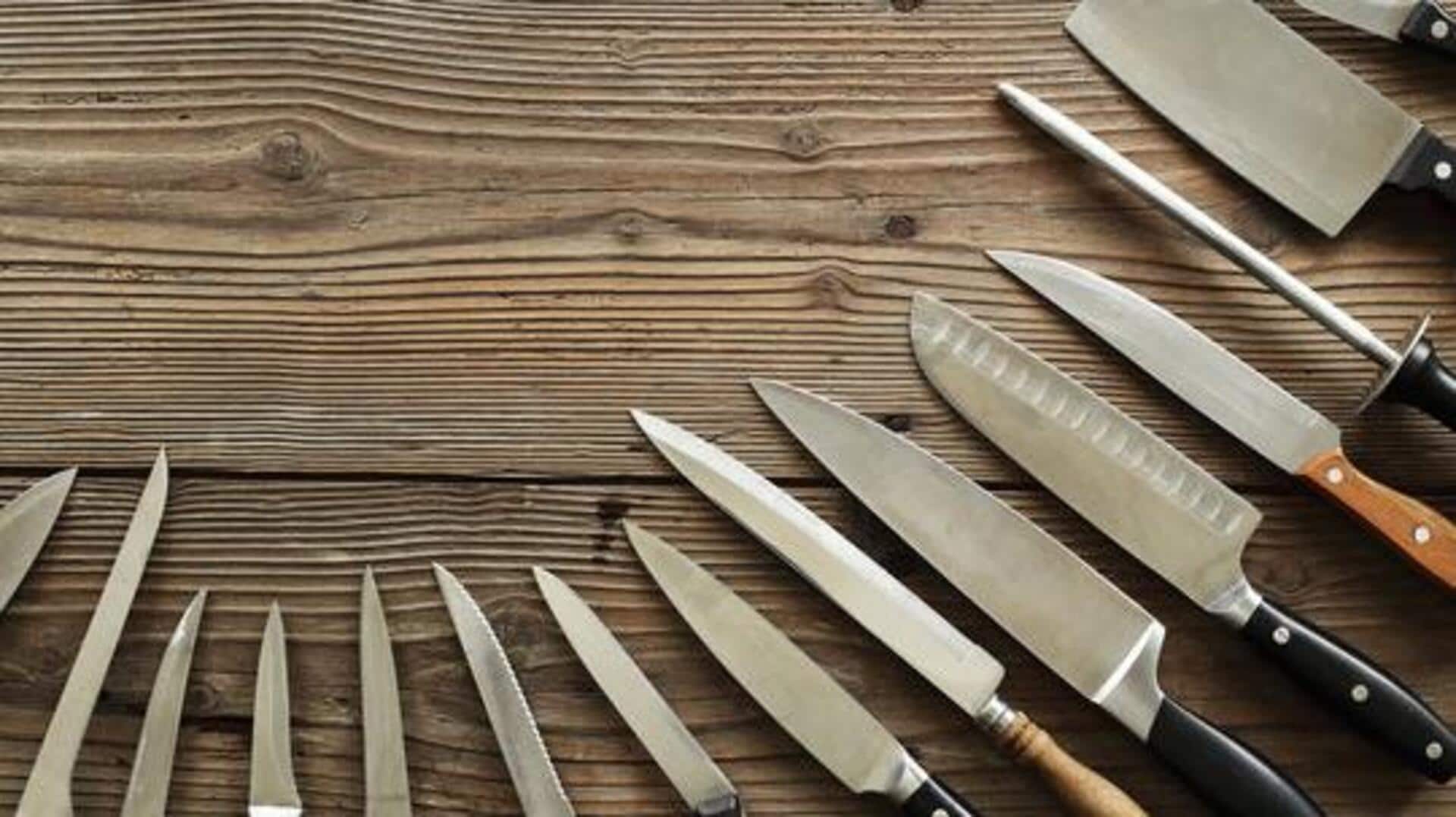
Kitchen tools: How to select the perfect knife
What's the story
African kitchen knives are famous for their durability and precision. They are an integral part of many culinary traditions across the continent. Choosing the right knife can make a world of difference in your cooking experience. Here are five practical tips to help you choose the best African kitchen knives for your culinary needs. These insights will guide you in making informed decisions when selecting these essential tools.
Tip 1
Consider the blade material
The material of the blade is essential when picking a kitchen knife. High-carbon stainless steel is a popular choice as it combines durability with resistance to rust and corrosion. This material retains sharpness longer than others, making it ideal for daily use. However, some may prefer carbon steel blades for their ability to get sharper edges, albeit with more maintenance to prevent rusting.
Tip 2
Evaluate handle design
The design of the handle plays a major role in comfort and control while cutting. Look for handles that are ergonomically designed to fit comfortably in your hand, reducing fatigue during prolonged use. Materials like wood or textured plastic can offer good grip and stability while cutting through tough ingredients.
Tip 3
Check blade length and width
Blade length and width also affect versatility and precision in cooking tasks. Longer blades are ideal for slicing larger items or chopping vegetables, while shorter blades provide better control for detailed work like peeling or trimming herbs. A wider blade can also provide more surface area for transferring food from cutting board to pan.
Tip 4
Assess weight balance
Weight balance is key to ensuring ease of use and precision with kitchen knives. A well-balanced knife feels lighter and allows more control over cuts, reducing strain on your wrist during extended periods of use. Test different knives by holding them to see how balanced they feel in your hand before making a decision.
Tip 5
Review maintenance requirements
Maintenance is key to keeping your kitchen knives in good shape over time. Some materials require more frequent sharpening than others, so it's important to know how much effort you're willing to put into upkeep before buying a knife set. Consider investing in quality sharpening tools or professional services if needed, to keep optimal performance levels over time.