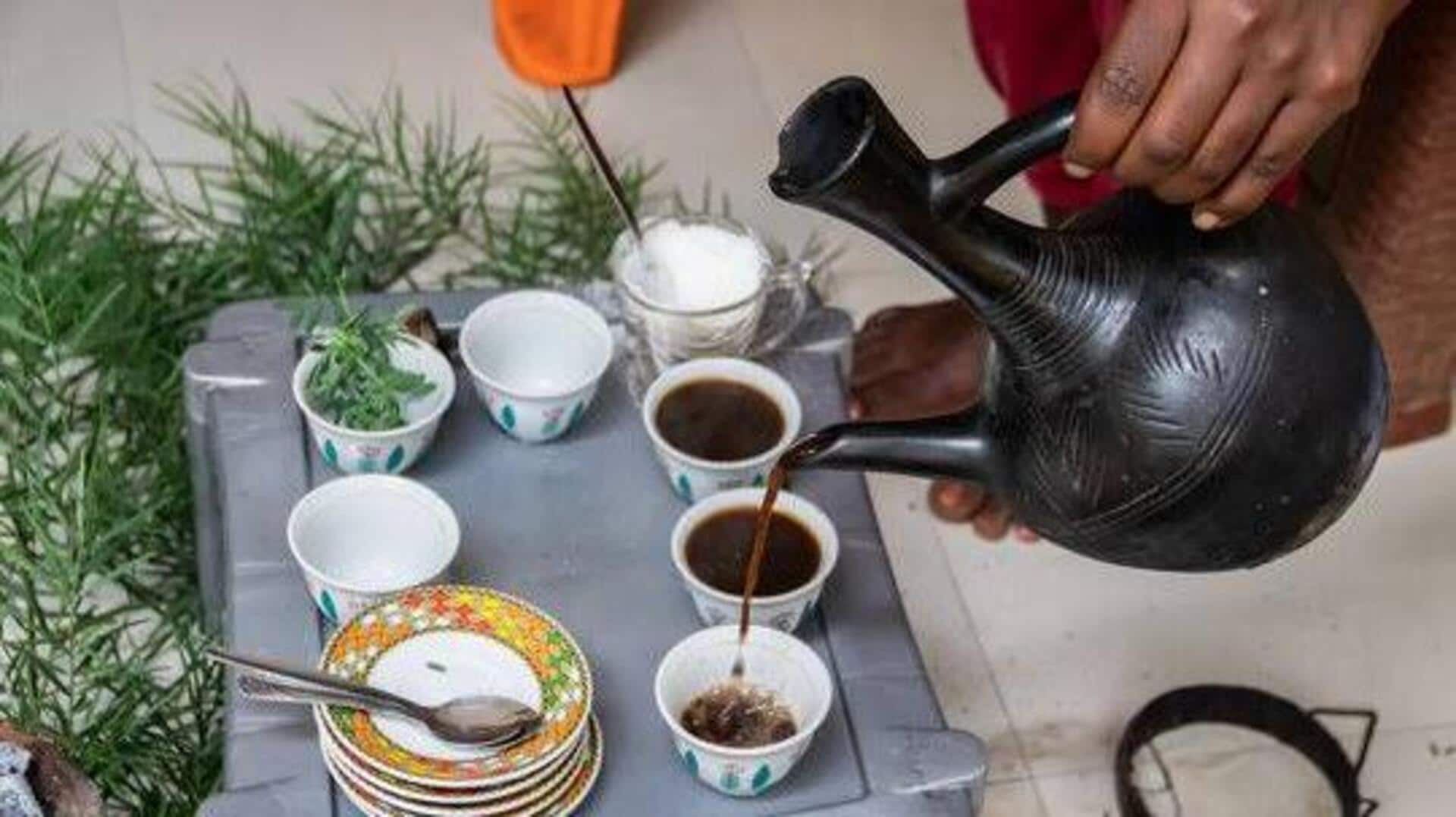
How Ethiopian coffee pots are traditionally crafted
What's the story
Ethiopian-style coffee holders, or Jebena pots, are an integral part of the traditional coffee ceremony in Ethiopia. These clay pots are not only functional but also a work of art, representing the rich cultural heritage of the country. Crafting these holders requires skill and knowledge of traditional techniques. This article explores the various aspects of creating Ethiopian-style coffee holders, including materials, methods, and cultural significance.
#1
Traditional materials used
The primary material used in making Ethiopian-style coffee holders is clay. Clay is valued for its heat-retaining properties, which are essential for brewing coffee properly.
Artisans usually source local clay, as it is easily available and cost-effective. The clay is mixed with water to make a malleable substance that can be molded into shape.
Once shaped, it is left to dry before being fired in a kiln to harden it.
#2
Crafting techniques employed
Crafting Ethiopian-style coffee holders involves various techniques passed down through generations.
Artisans usually use hand-building techniques instead of pottery wheels to maintain authenticity.
The process involves shaping the body of the pot with hands and fingers while ensuring it has a narrow neck and spout for pouring.
After shaping, artisans smooth the surface with tools or natural materials like leaves.
#3
Cultural significance of the Holders
The cultural significance of these coffee holders goes beyond their functional use; they are symbols of hospitality and community bonding in Ethiopian culture.
During traditional ceremonies, these pots are filled with freshly brewed coffee and served to guests as a sign of respect and friendship.
The act of serving coffee from these holders is often accompanied by rituals that strengthen social ties among participants.
Tip 1
Tips for maintaining authenticity
To maintain authenticity when crafting Ethiopian-style coffee holders, artisans should stick to traditional methods as much as possible.
Using locally sourced materials ensures that each piece retains its cultural essence, while supporting local economies at the same time.
Additionally, understanding the historical context behind each design element helps preserve its significance for future generations who may continue this age-old tradition.