DIY: How to make pebble art
What's the story
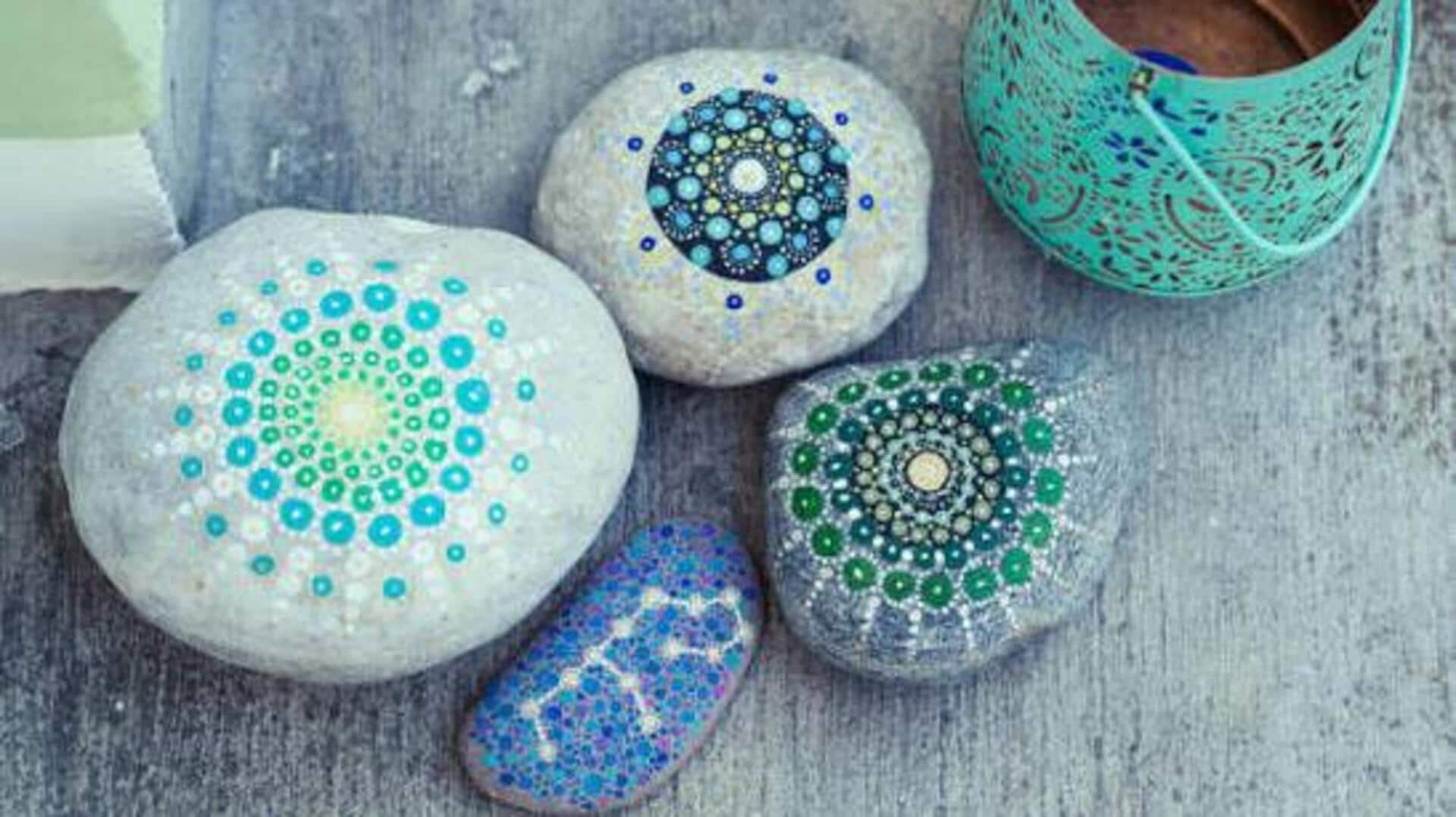
African pebble art is a unique craft that uses colorful pebbles to create beautiful, intricate designs. This art form is not just about aesthetics, but also about cultural expression and storytelling. By arranging pebbles in various patterns and colors, artists can depict scenes, symbols, or abstract designs that reflect their heritage and creativity. The process involves selecting the right pebbles, planning the design, and carefully placing each piece to achieve the desired effect.
Tip 1
Selecting the right pebbles
Choosing the right pebbles is key to creating vibrant African pebble art.
Artists usually look for stones in different shapes and sizes to add texture and depth to their work.
Smooth pebbles are preferred, as they are easier to handle and arrange.
The color of the stones also plays a key role in the overall look of the artwork. Brightly colored pebbles can make designs more eye-catching.
Tip 2
Planning your design
Before starting on an African pebble art piece, planning is essential.
Artists usually sketch out their designs on paper or use a digital tool to visualize how the final piece would look.
This step helps in determining where each pebble would go and how different colors would work together.
A well-thought-out plan ensures that artists can efficiently use resources while achieving their creative vision.
Tip 3
Arranging pebbles with precision
Arranging pebbles requires precision and patience.
Artists often start from one corner or the center of their design, gradually working outward as they place each stone carefully into position according to their plan.
Consistency in spacing between pebbles ensures uniformity throughout the piece, without compromising its overall integrity or balance.
Tip 4
Sealing your artwork for longevity
Once completed, sealing is essential to preserve African pebble art from environmental damage like moisture or dust accumulation over time.
Applying a clear sealant over the entire surface protects the artwork while enhancing its vibrancy by locking in the colors beneath the protective layer.
This step guarantees the longevity of the piece, keeping it looking fresh and intact for years to come.