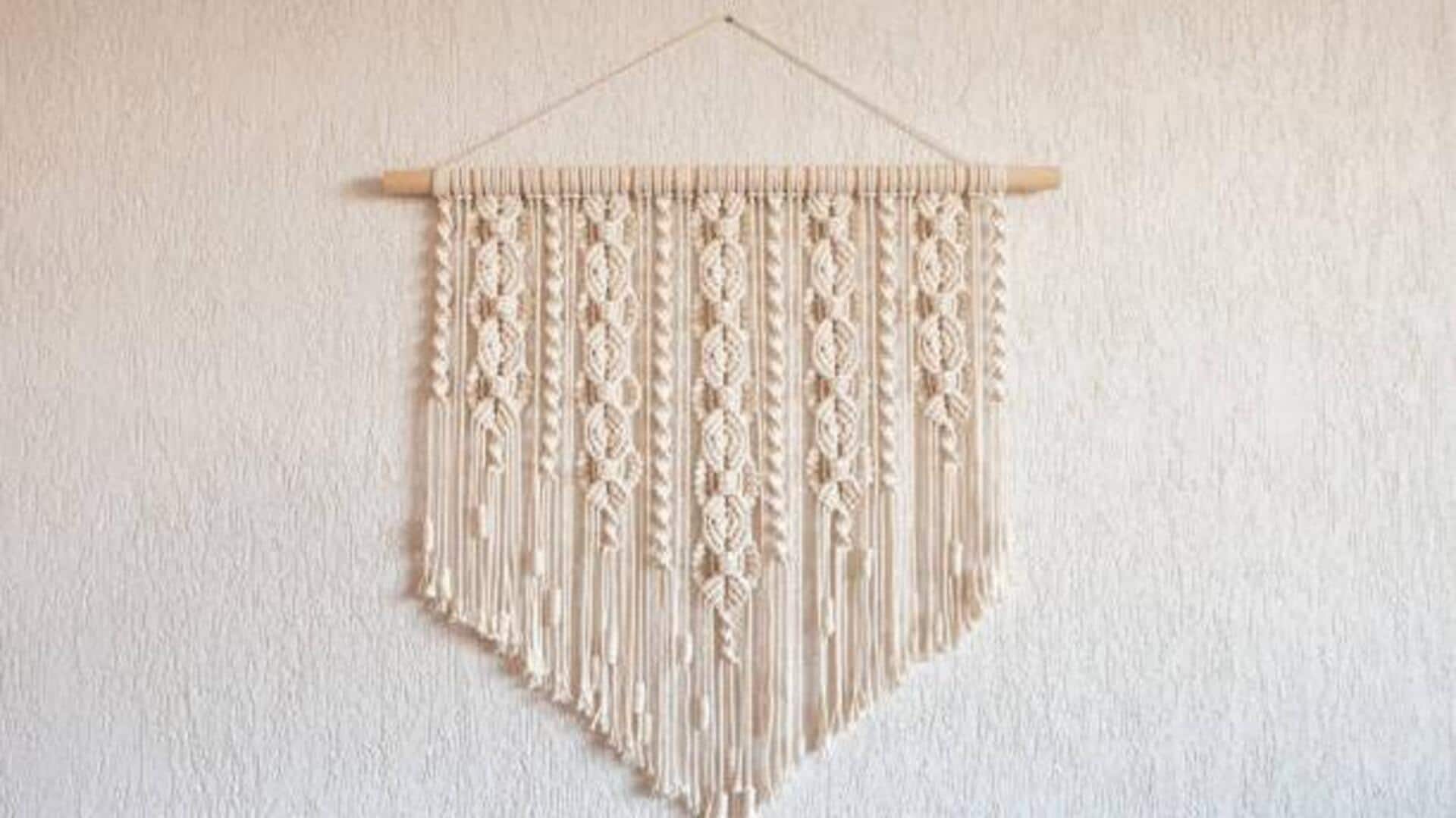
How to create beautiful wall hangings at home
What's the story
African-inspired tapestry wall hangings are a beautiful way to add culture and color to your home. These tapestries are usually characterized by bold patterns, vibrant colors, and symbolic designs that represent different African cultures. Making one can be an enriching experience, allowing you to connect with the artistic traditions of the continent. Here are some practical insights on creating your own African-inspired tapestry wall hanging.
Tip 1
Choosing the right materials
Selecting appropriate materials is key to crafting a durable and visually appealing tapestry.
Cotton and linen are popular choices due to their durability, and ease of dyeing. Natural dyes from plants can be used to achieve authentic colors.
Make sure the fabric is sturdy enough to hold intricate designs without tearing or fraying.
Tip 2
Understanding traditional patterns
Traditional African patterns are often geometric or nature-inspired, each carrying its own meaning. Researching these patterns can give depth to your design.
Common motifs include zigzags, spirals, and animal shapes. Understanding the symbolism behind these patterns can make your tapestry more meaningful.
Tip 3
Techniques for weaving
Weaving techniques vary across different regions in Africa but often involve simple looms that allow for intricate work.
Learning basic weaving techniques, such as plain weave or twill, can help you get started.
Experimenting with different techniques will give you unique textures in your tapestry.
Tip 4
Incorporating cultural symbols
Incorporating cultural symbols into your tapestry adds layers of meaning and authenticity.
Symbols may represent concepts like unity, strength, or fertility in various African cultures.
It's important to research these symbols thoroughly so that they are used respectfully and accurately in your design.
Tip 5
Final touches and display options
Once your tapestry is complete, consider adding finishing touches like fringes or borders for an extra flair.
Display options include hanging it on a wall as a focal point in a room, or using it as part of decorative arrangements with other textiles from different cultures for an eclectic look.