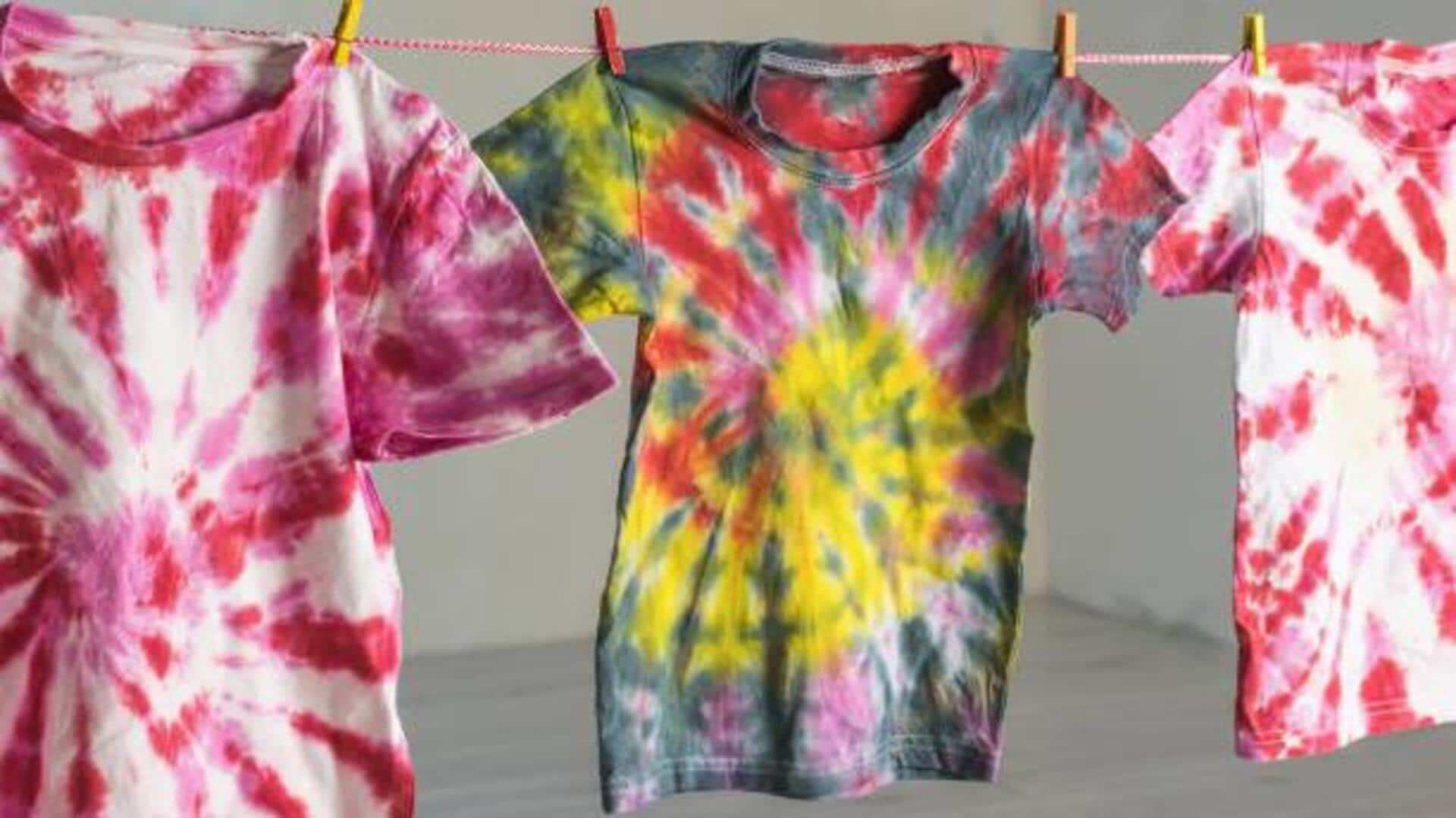
How to create batik-style prints at home
What's the story
African batik-style T-shirt prints are a vibrant and culturally rich way to express personal style. This traditional art form, characterized by its intricate patterns and bold colors, can be recreated at home with some basic materials and techniques. By understanding the process, anyone can create unique designs that reflect the beauty of African textiles. Here are some practical insights on how to get started with batik-style prints for T-shirts.
Technique 1
Understanding batik techniques
Batik is all about applying wax to fabric in certain patterns before dyeing it.
The wax prevents dye from penetrating the fabric, creating a contrast between the dyed and undyed areas.
The process can be done using a tjanting tool or brush to apply hot wax on the fabric.
After the wax has cooled, the fabric can be dyed in various colors. This technique can be repeated for multiple layers of color and design.
Material selection
Choosing materials wisely
To create batik-style prints at home, you need cotton or silk fabrics, as they absorb dyes well.
The fabric should also be pre-washed to remove any finishes that may interfere with dye absorption.
For dyes, go for fiber-reactive dyes, as they bond well with natural fibers and provide vibrant colors.
A tjanting tool or brush is also essential for applying wax accurately.
Workspace setup
Preparing your workspace
Setting up a workspace is essential to keep the batik process smooth.
Pick an area where spills are okay, and lay down newspapers or plastic sheets to protect surfaces from dye and wax.
Keep all your materials within reach, including brushes, dyes, water containers, and protective gloves.
This organization will make sure you can focus on creating without interruptions.
Design exploration
Experimenting with designs
Once you're familiar with basic techniques, you can experiment with different designs inspired by traditional African patterns or create your own unique motifs.
Use geometric shapes or nature-inspired elements like leaves or animals commonly found in African art.
Experimenting allows you to develop your style while honoring cultural influences in each piece created.