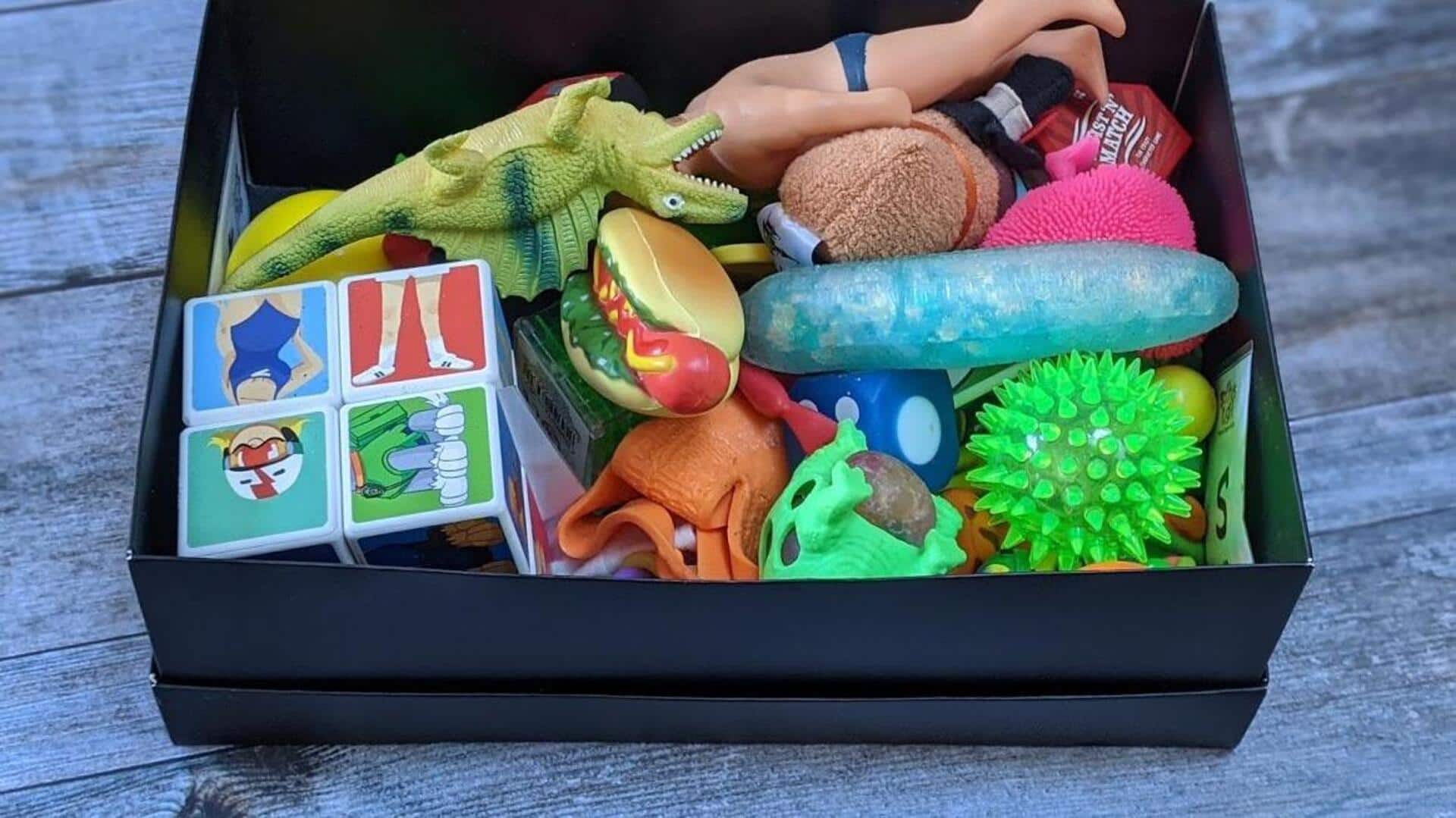
Sensory memory boxes: What they are exactly
What's the story
Sensory memory boxes are a great way to explore the world through touch, sound, and smell. These boxes can be customized to suit individual needs, making them a versatile tool for sensory exploration. By incorporating different elements into the box, you can create a unique experience that caters to various senses. This guide provides practical tips on how to create your own sensory memory box.
Tip 1
Selecting sensory elements
Choosing the right sensory elements is key to creating an effective memory box. Think about which senses you want to stimulate - touch, sound, or smell. For touch, you could add items with different textures like silk or sandpaper. For sound, consider including small instruments or bells. For smell, use essential oils or herbs in small containers.
Tip 2
Organizing the box
Organizing your sensory memory box is essential for easy access and exploration. Divide the box into sections for each sense and label them clearly. This way, users can easily find what they're looking for without getting overwhelmed by too many options at once.
Tip 3
Personalizing the experience
Personalization makes a sensory memory box more meaningful and engaging. Add items that have personal significance or relate to specific memories or experiences. This could be anything from photographs to letters that evoke positive feelings when revisited through these senses.
Tip 4
Regular updates and maintenance
Regularly updating and maintaining your sensory memory box keeps it fresh and interesting over time. Swap out old items with new ones periodically, while ensuring everything remains clean and in good condition. This way, the box continues to provide enjoyable sensory experiences without becoming stale or worn out.