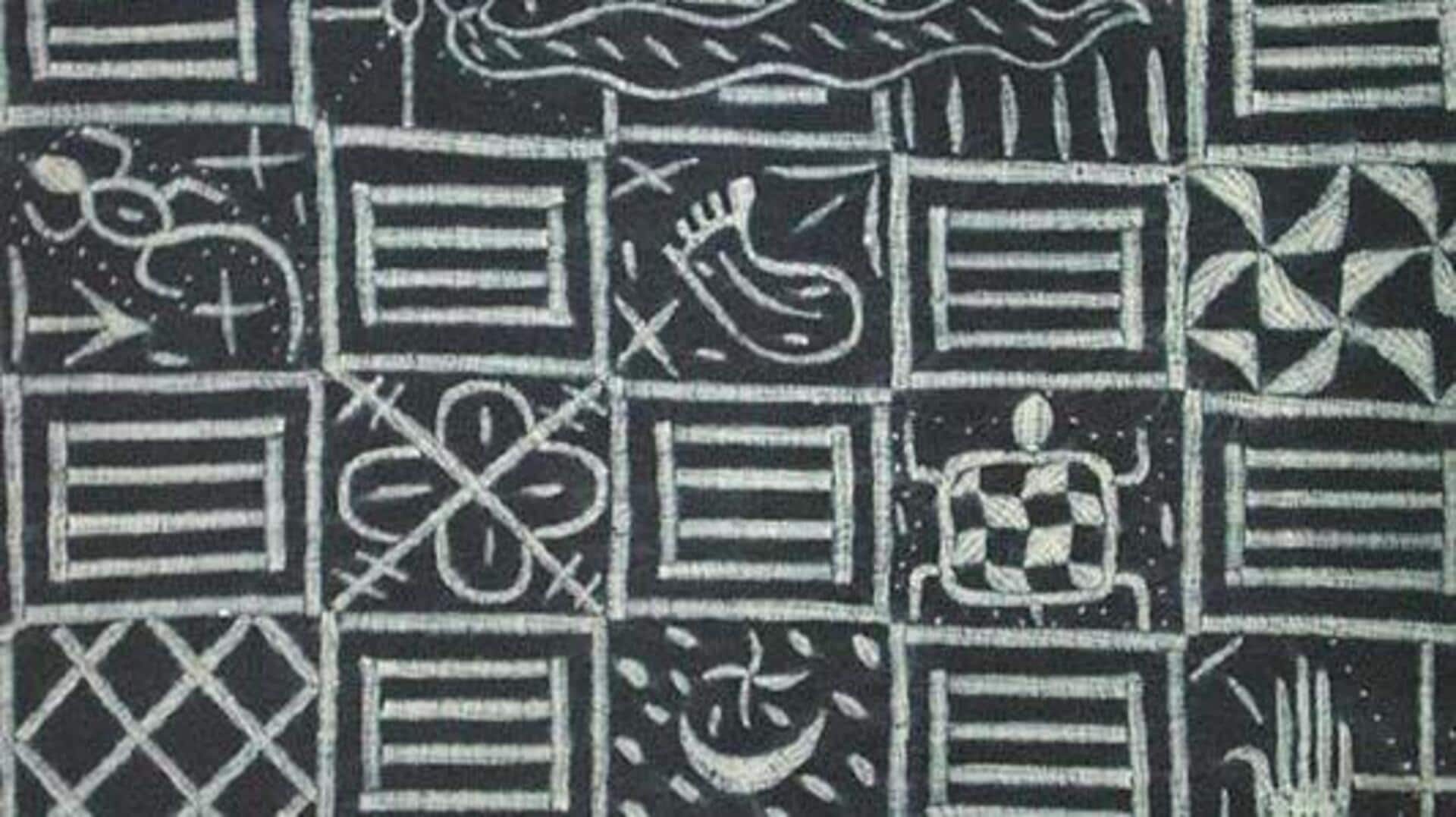
What are ukara patterns?
What's the story
Zulu ukara patterns are a beautiful part of African art, known for their unique designs and cultural significance. These patterns are traditionally made using natural dyes and simple tools, making them accessible to anyone interested in creating them. By following some basic steps, you can create these intricate designs at home. This guide will take you through the steps to create Zulu ukara patterns, making it easy for beginners to try their hands at this timeless art form.
Materials needed
Gather your materials
To get started with creating Zulu ukara patterns, gather all necessary materials.
You will need fabric or paper as your base, natural dyes like indigo or ochre, brushes or sticks for applying dye, and water for mixing.
These items are usually available at local craft stores or can be sourced from nature if you are looking for eco-friendly options.
Design knowledge
Understand traditional designs
Before you start creating, it's important to understand the traditional Zulu designs.
These patterns often include geometric shapes like triangles, squares, and lines that hold cultural significance.
Researching these designs will give you an insight into their meanings and how they are used in Zulu culture.
This knowledge will help you create patterns that are not only visually appealing but also culturally relevant.
Dye techniques
Practice dye application techniques
Applying dye is the most important step in creating Zulu ukara patterns.
Start by practicing different techniques of applying dye on a scrap piece of fabric or paper.
Use brushes or sticks to create lines and shapes by dipping them in natural dyes.
Experiment with different pressures and angles to get the desired effect.
Once you are comfortable with the techniques, you can move on to your final piece.
Pattern creation
Create your unique pattern
Armed with knowledge of traditional designs and practice techniques, it is time to create your own Zulu ukara pattern.
Start by sketching your design lightly on your fabric or paper with chalk or pencil as a guide.
Then, use natural dyes to fill in the shapes carefully, without smudging other parts of the design.
Take your time while working on each section until you are satisfied with the overall look of your pattern.
Preservation tips
Preserve your artwork properly
Once you have created your Zulu ukara pattern, it is important to preserve it properly so that it lasts for years to come.
Allow any wet dye applications to dry completely before handling the artwork further.
Consider framing it under glass if using paper, or wash gently by hand if using fabric, ensuring no harsh chemicals are used during cleaning processes over time.