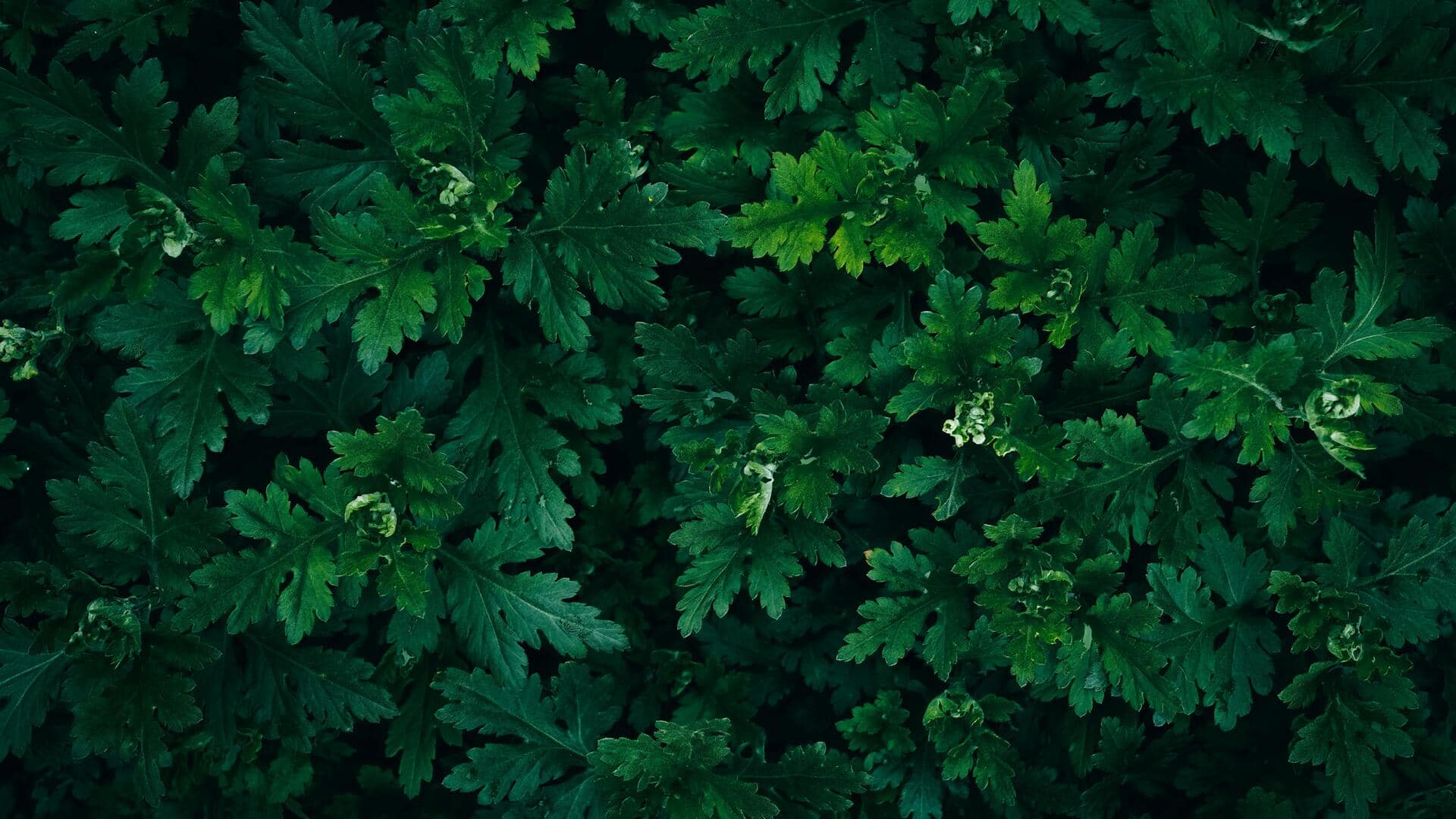
How to grow edible chrysanthemum leaves at home
What's the story
Growing edible chrysanthemum leaves can be a rewarding experience for both novice and experienced gardeners. These leaves are not only nutritious but also add a unique flavor to various dishes. With the right conditions and care, you can cultivate these plants successfully in your garden. Here are some practical tips to help you grow edible chrysanthemum leaves effectively, ensuring a bountiful harvest.
Tip 1
Choosing the right location
Selecting an appropriate location is essential for growing chrysanthemum leaves.
They flourish in well-drained soil with plenty of organic matter.
Pick a spot that gets at least six hours of sunlight every day, but make sure it doesn't get too much direct afternoon sun, which can scorch the leaves.
Good air circulation will keep the plants healthy and reduce the risk of fungal diseases.
Tip 2
Soil preparation and planting
Preparing the soil properly before planting is crucial.
Start by testing the soil pH; it should be between six and seven for optimal growth.
Amend the soil with compost or well-rotted manure to improve its nutrient content and texture.
Sow seeds directly into the prepared beds or transplant seedlings after the last frost date, spacing them adequately to allow for growth.
Tip 3
Watering techniques for optimal growth
Consistent watering is key to growing healthy chrysanthemum leaves.
Water the plants deeply once a week, more frequently during dry spells or hot weather.
Avoid overhead watering as it may lead to leaf diseases; instead, use drip irrigation or water at the base of each plant.
Mulching around plants helps retain moisture and suppress weeds.
Tip 4
Pest management strategies
Like any other plant, chrysanthemum leaves are also prone to pests, including aphids and caterpillars.
Regularly inspect your plants for signs of infestation, and remove any affected leaves promptly.
Use natural predators like ladybugs to control pests. You can also spray neem oil to prevent infestations without harming beneficial insects in your garden.