How to declutter your home the Japanese way
What's the story
Inspired by the Japanese approach to home organization, this article offers practical tips for decluttering your living space. The Japanese method emphasizes simplicity, functionality, and mindfulness in creating a serene environment. By following these principles, you can transform your home into a more organized and peaceful place. Here are five insightful ways to declutter like the Japanese, focusing on practical steps that anyone can implement.
Tip 1
Embrace minimalism
Minimalism is at the heart of Japanese home organization. It means keeping only those items that serve a purpose or bring joy.
Start by going through your belongings and separating essentials from nonessentials.
This way, you not only reduce clutter, but also make room for things that actually matter in your life.
Tip 2
Practice the 'one in, one out' rule
The "one in, one out" rule is simple: for every new item you bring into your home, let go of an old one.
This practice helps keep a balance and prevents unnecessary accumulation of stuff.
It encourages mindful shopping and ensures that your space remains uncluttered over time.
Tip 3
Utilize storage solutions wisely
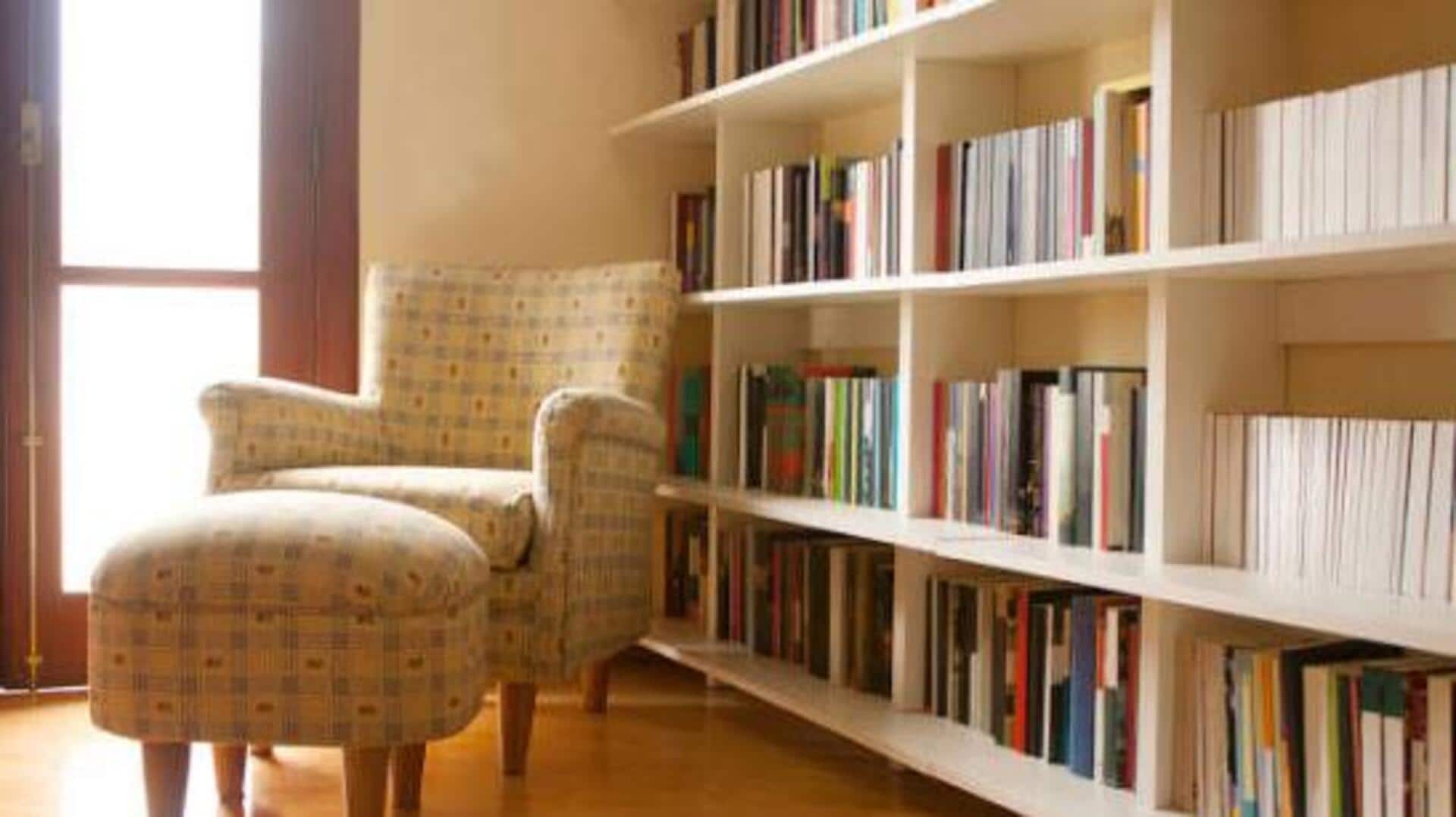
Effective storage solutions are key to maintaining an organized home.
Use baskets, boxes, and shelves to keep items neatly arranged and out of sight.
Labeling containers can also help you quickly find what you need without disturbing other stored items.
This way, you can keep your space tidy and functional.
Tip 4
Focus on daily tidying habits
Incorporating daily tidying habits into your routine can make a world of difference in keeping your home organized.
Spend a few minutes every day putting things back in their place, or cleaning up small messes before they become big ones.
Consistency is key to maintaining orderliness in any living space.
Tip 5
Create designated spaces for everything
Designating specific spaces for each item is essential in Japanese home organization.
Ensure that everything has its own place within the house where it belongs naturally when not being used or needed immediately again later on down the line, too!
This way, you can avoid confusion about where certain things belong altogether!