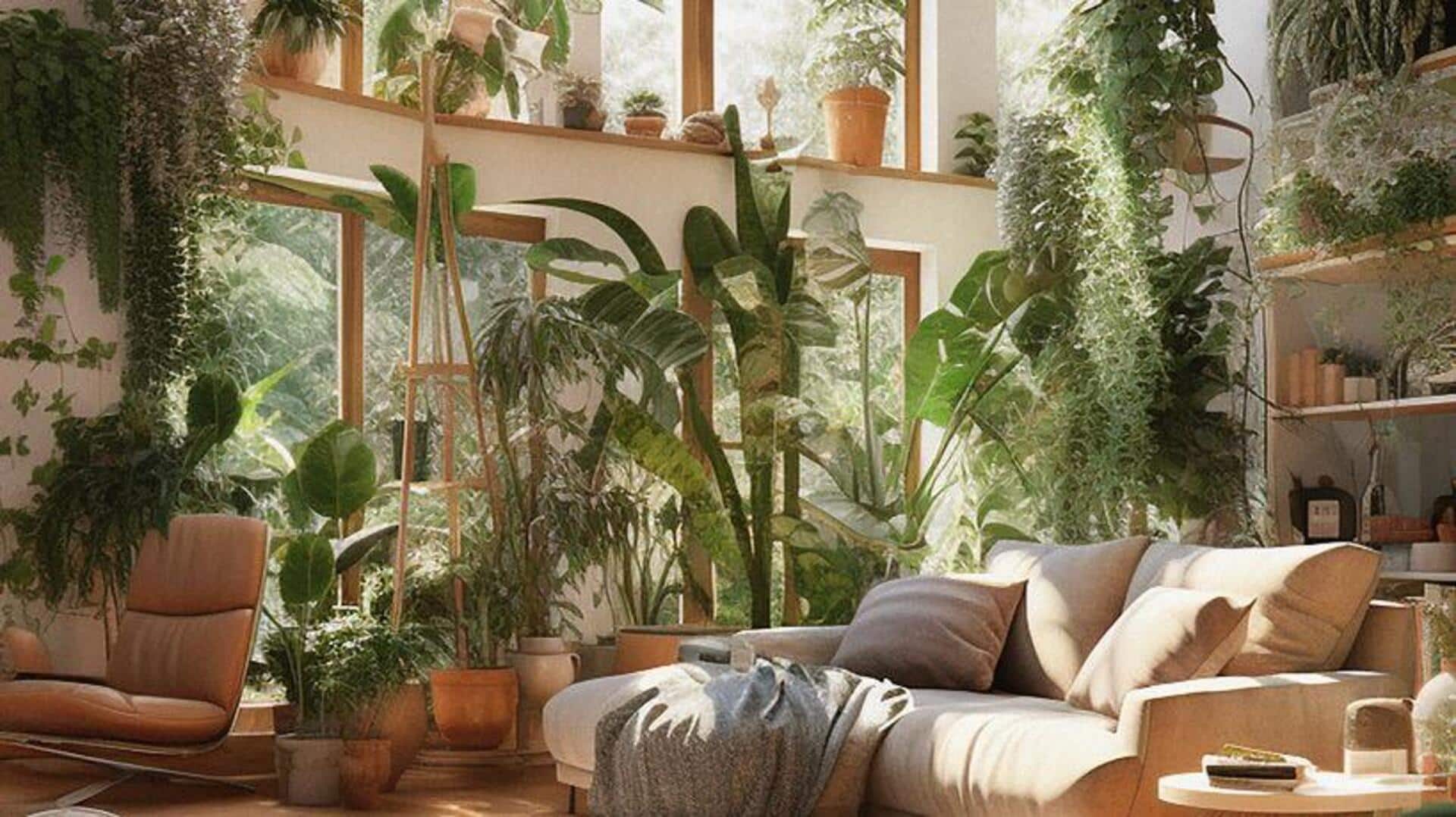
Build an eco-conscious living space (without spending much)
What's the story
Creating a sustainable home can be both rewarding and cost-effective. By focusing on eco-friendly practices, you can reduce your environmental impact while saving money. This article explores practical ways to make your home more sustainable without breaking the bank. From energy-efficient appliances to mindful waste management, these tips offer a straightforward approach to building an eco-conscious living space. With simple changes, you can contribute positively to the planet and enjoy financial savings.
Tip 1
Embrace energy-efficient appliances
Investing in energy-efficient appliances is a smart way to cut down on electricity bills.
Look for products with high Energy Star ratings, as they use less power than regular ones.
Although the initial investment may seem high, the long-term savings on utility bills make it worthwhile.
Consider replacing old appliances gradually, focusing first on those that consume the most energy.
Tip 2
Optimize natural lighting
Maximizing natural light in your home can cut down on lighting costs significantly.
Use light-colored curtains or blinds that let sunlight in during the day.
Rearranging furniture to allow more sunlight into rooms is another simple trick.
Not only does this reduce reliance on artificial lighting, but it also creates a warmer ambiance at no extra cost.
Tip 3
Implement water-saving fixtures
Installing water-saving fixtures like low-flow showerheads and faucets can drastically reduce water consumption by up to 50%.
These fixtures are easy to install and require no major renovations, making them an affordable option for most households.
Additionally, fixing leaks promptly prevents unnecessary water wastage and further contributes to sustainability efforts.
Tip 4
Practice mindful waste management
Effective waste management is key to sustainability at home.
Start by segregating waste into recyclable, compostable, and non-recyclable categories.
Invest in reusable containers for storage and transport of goods, reducing reliance on single-use plastics.
Composting organic waste not only minimizes landfill contributions but also provides nutrient-rich soil for gardening purposes.
Tip 5
Choose sustainable materials for home decor
When decorating your home, opt for sustainable materials like bamboo or reclaimed wood instead of traditional ones that require more resources to produce.
These materials are durable and add unique character to your space without harming the environment during production processes or transportation methods involved with their use.