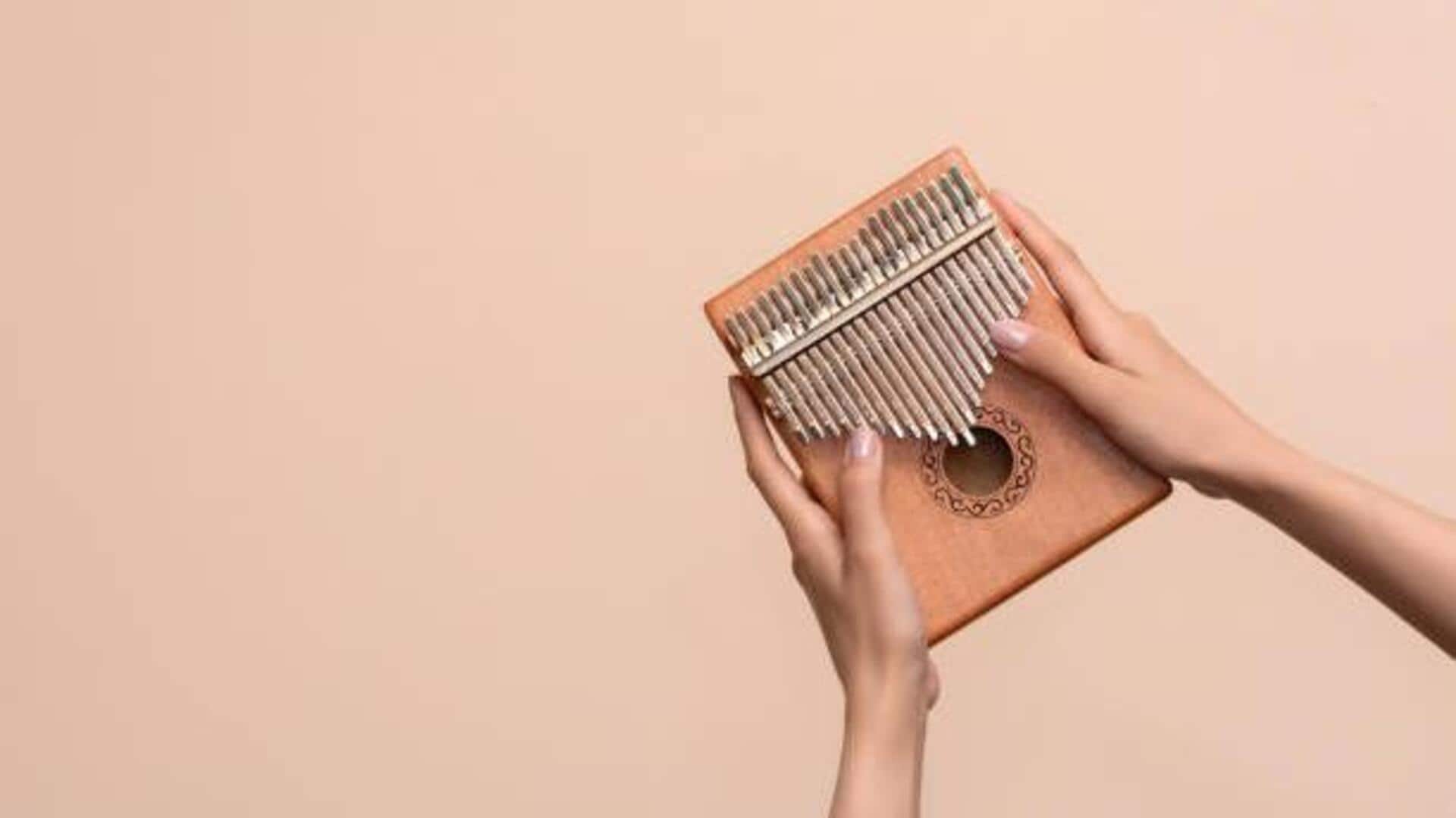
How to decorate your thumb piano
What's the story
Kalimbas, also known as thumb pianos, are beautiful African musical instruments that produce soothing sounds. Decorating your kalimba can make it more personal and visually appealing, while also respecting the cultural significance of the instrument. Here are some creative ways to add artistic touches to your kalimba, without compromising its sound quality or functionality.
Tip 1
Use natural wood stains
Natural wood stains can be an excellent way to enhance the appearance of your kalimba. They bring out the grain of the wood, giving it a richer color and depth.
Choose stains that are non-toxic and safe for musical instruments.
Applying a light coat can highlight the natural beauty of the wood, without overwhelming its original look.
Tip 2
Incorporate traditional patterns
Incorporating traditional African patterns into your kalimba design can pay homage to its cultural roots.
Use non-toxic paints or engravings to add geometric shapes or tribal motifs on the body of the instrument.
These patterns not only add visual interest but also connect you with the rich history behind this musical piece.
Tip 3
Add protective clear coat
A protective clear coat is essential to keep your decorated kalimba safe from wear and tear.
A non-yellowing varnish or lacquer can seal in your artwork, protecting it from moisture and scratches.
Apply thin layers for an even finish, ensuring that it does not affect the instrument's sound quality.
Tip 4
Experiment with colorful strings
Switching out regular strings for colorful ones can add a fun pop to your kalimba's look.
Go for strings made from durable materials that will not compromise on sound quality when plucked.
Different colors can also help in visually distinguishing between notes, making it easier for beginners to learn.
Tip 5
Utilize eco-friendly materials
Using eco-friendly materials for decorating your kalimba is a sustainable choice that also helps in preserving its integrity.
Opt for biodegradable paints, organic wood stains, and natural fibers when adding decorative elements like tassels or beads.
This way, you contribute positively towards environmental conservation while enjoying an aesthetically pleasing instrument.