How to dye fabrics the African way
What's the story
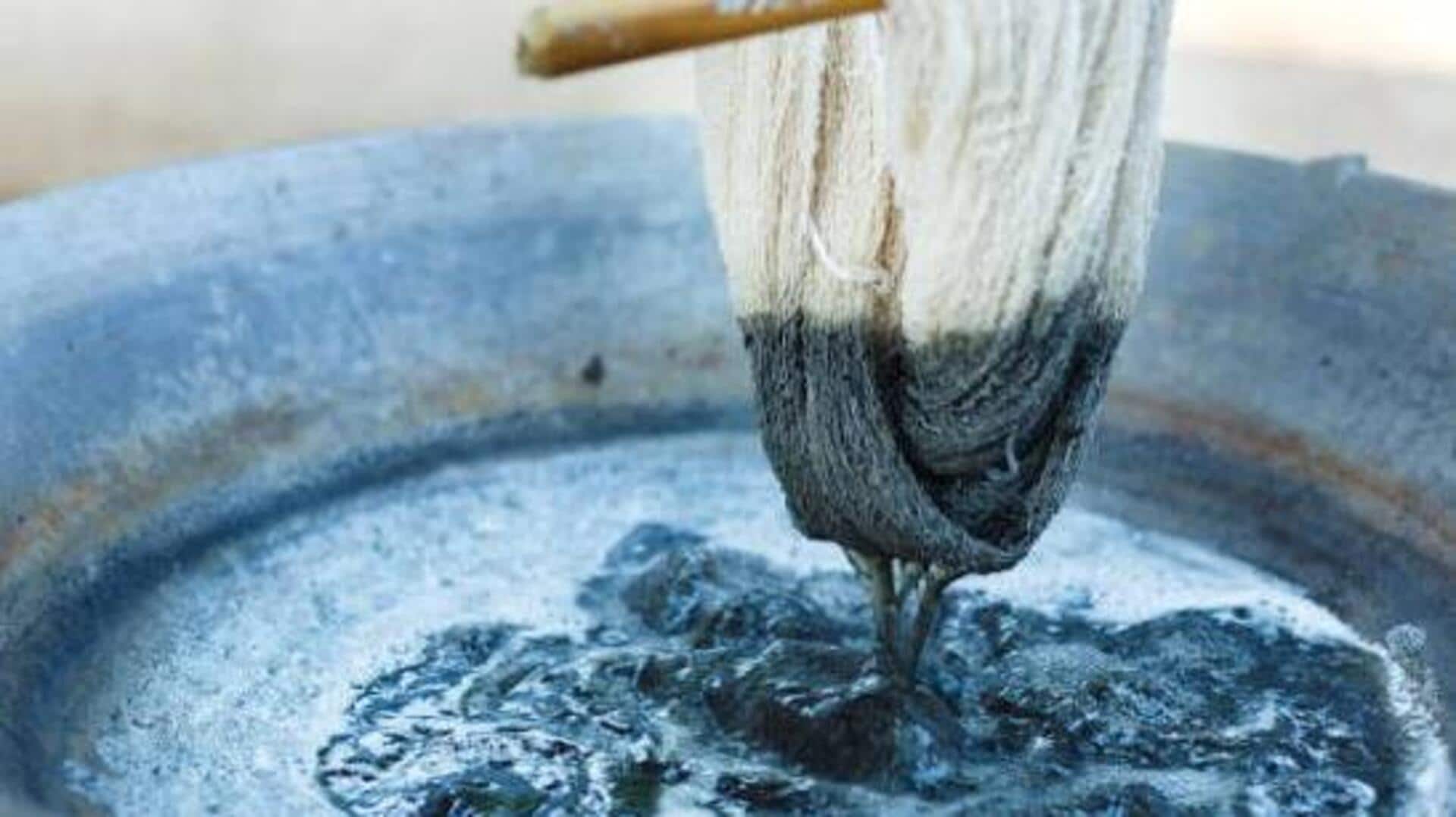
African plant dyeing is a traditional art that uses natural materials to color fabrics. The process involves extracting pigments from various plants, roots, and leaves. This eco-friendly method has been used for centuries across the continent, resulting in vibrant colors and unique patterns. By learning these techniques, you can create sustainable fashion pieces that honor cultural heritage while minimizing environmental impact.
Tip 1
Sourcing natural dyes
To start with African plant dyeing, you will need to source natural dyes from local flora.
Common sources include indigo leaves for blue shades, hibiscus flowers for red hues, and turmeric roots for yellow tones.
These materials can often be found in gardens or local markets. Ensure that the plants are harvested sustainably to maintain ecological balance.
Tip 2
Preparing fabric for dyeing
Proper preparation of fabric is essential for effective dyeing.
Start by washing the fabric to remove any impurities or finishes that may interfere with dye absorption.
A mordant like alum can be applied to help fix the dye onto the fabric more permanently.
This step ensures vibrant colors that last through multiple washes.
Tip 3
Dyeing techniques to explore
Various techniques can be explored when dyeing fabrics with plant-based dyes.
Tie-dyeing involves tying sections of the fabric tightly before immersing it in dye solution, creating unique patterns when released.
Shibori is another technique where folds and twists create intricate designs on the material's surface.
Tip 4
Creating sustainable fashion pieces
By incorporating African plant dyeing techniques into your fashion creations, you can contribute to sustainable practices within the industry.
Use locally sourced materials and traditional methods to produce one-of-a-kind garments that reflect cultural artistry.
These pieces not only showcase vibrant colors but also promote environmental consciousness among consumers seeking alternatives to synthetic dyes.