
How to fix window screens on a budget
What's the story
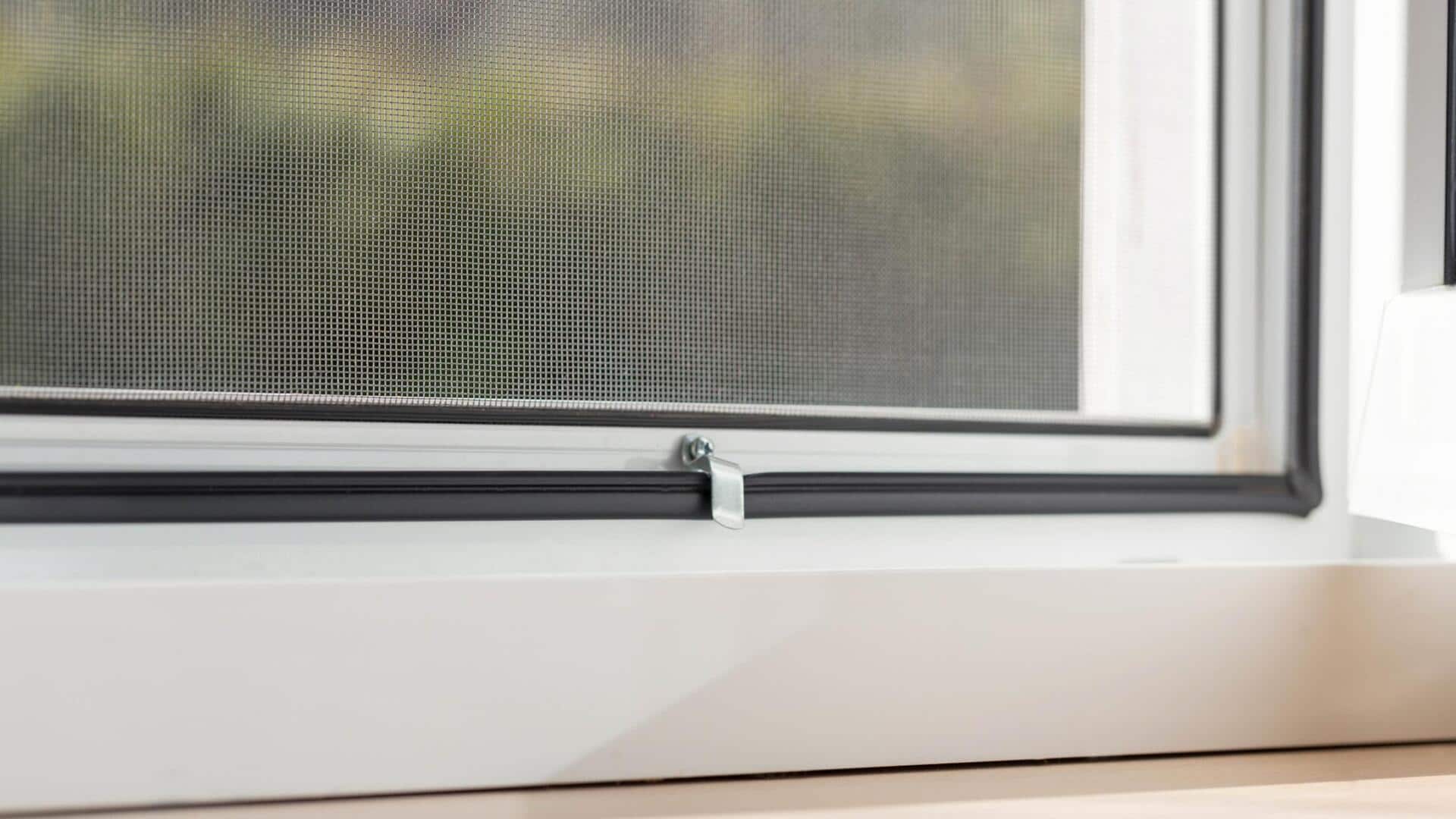
Repairing window screens can be a cost-effective way to keep your home comfortable, without spending a fortune. With a few basic tools and materials, you can fix most screen issues yourself. This DIY approach not only saves money but also gives you the satisfaction of completing a task on your own. Here are some practical tips and tricks to help you repair window screens efficiently and affordably.
Damage assessment
Identify the damage
Before you start with repairs, it's important to assess the extent of damage on your window screen. Look for holes, tears, or loose frames. Small holes can be repaired with patch kits while larger damages may require replacing the entire screen material. Knowing what needs fixing will help you gather the right materials and avoid unnecessary expenses.
Material preparation
Gather necessary materials
To repair a window screen, you will need basic materials such as screen mesh material, splines, and a spline roller tool. These are easily available at hardware stores at cheap prices. Choose the right mesh material according to your needs (fiberglass or aluminum) to ensure durability and longevity of the repair.
Mesh replacement
Replace or repair screen mesh
If your screen mesh has been torn or damaged beyond repair, you will have to replace it. Start by removing the old mesh from the frame using a flathead screwdriver. Cut new mesh material slightly larger than the frame and lay it over it evenly. Use splines to secure the new mesh in place, pressing it firmly with a spline roller tool.
Frame tightening
Fix loose frames
Loose frames can make your window screens ineffective. To fix this, tighten any loose screws or replace missing ones with new ones from a hardware store. If wooden frames are warped or damaged, consider using wood glue or clamps to restore their shape before reattaching them securely.
Maintenance advice
Cost-effective tips for maintenance
To further save on repairs, regularly clean your window screens with mild soap and water, and avoid harsh chemicals that can damage them over time. This simple maintenance routine can help you avoid costly repairs, and keep your screens looking good and functioning well. It's an easy way to keep your home comfortable and save money in the long run.