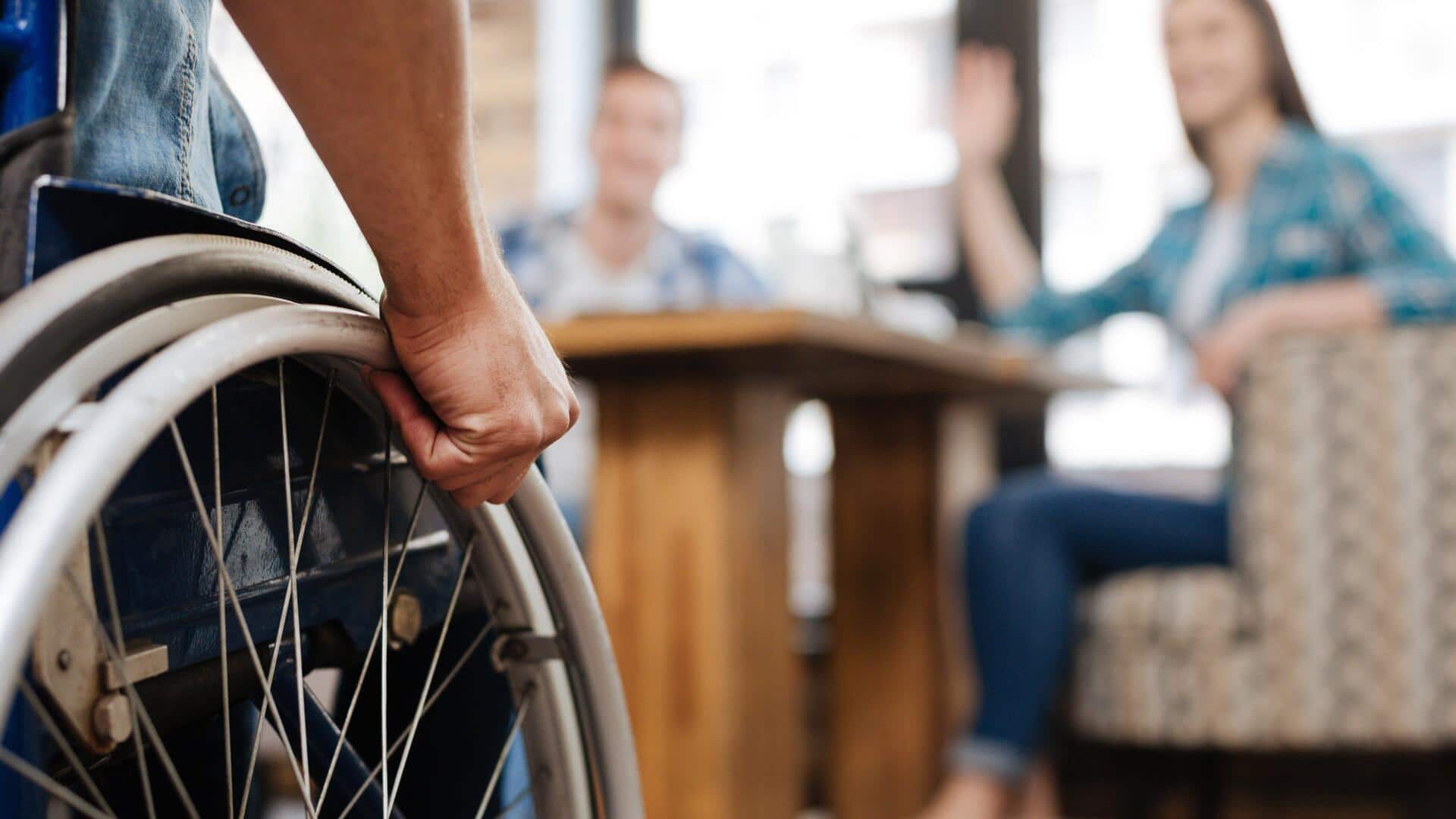
How to greet people with disabilities (without offending them)
What's the story
Greeting someone with a disability requires thoughtfulness and respect. It's important to be mindful of their unique needs and preferences. By following some simple guidelines, you can ensure your greetings are both appropriate and considerate. Here are five practical tips to help you greet individuals with disabilities in a way that is respectful and inclusive.
Tip 1
Approach with confidence
When greeting someone with a disability, approach them confidently but respectfully. Make sure you maintain eye contact and smile genuinely. This helps in establishing a connection and shows that you are comfortable interacting with them. Confidence in your approach can make the other person feel more at ease.
Tip 2
Offer assistance only when needed
If you see someone who appears to need help, don't rush to offer assistance. First, politely ask if they require help. Respect their answer, and if they decline, accept it gracefully. This way, you ensure that your gesture of kindness doesn't come off as patronizing or intrusive, and that the person feels respected and in control of their own situation.
Tip 3
Use clear language
When communicating with someone who has a disability, use clear and simple language. Avoid jargon or overly complex sentences that may confuse them. Speak directly to the person rather than about them to others, ensuring they feel included in the conversation.
Tip 4
Be patient and attentive
Patience is key when interacting with individuals with disabilities. Give them time to respond without interrupting or finishing their sentences for them. Show attentiveness by listening actively and acknowledging their thoughts and feelings.
Tip 5
Respect personal space
Respecting personal space is essential when greeting someone with a disability. Be mindful of how close you stand or sit during your interaction, as some individuals may have sensory sensitivities or mobility aids that require extra space. Always observe cues from the other person regarding their comfort level with proximity during your conversation.