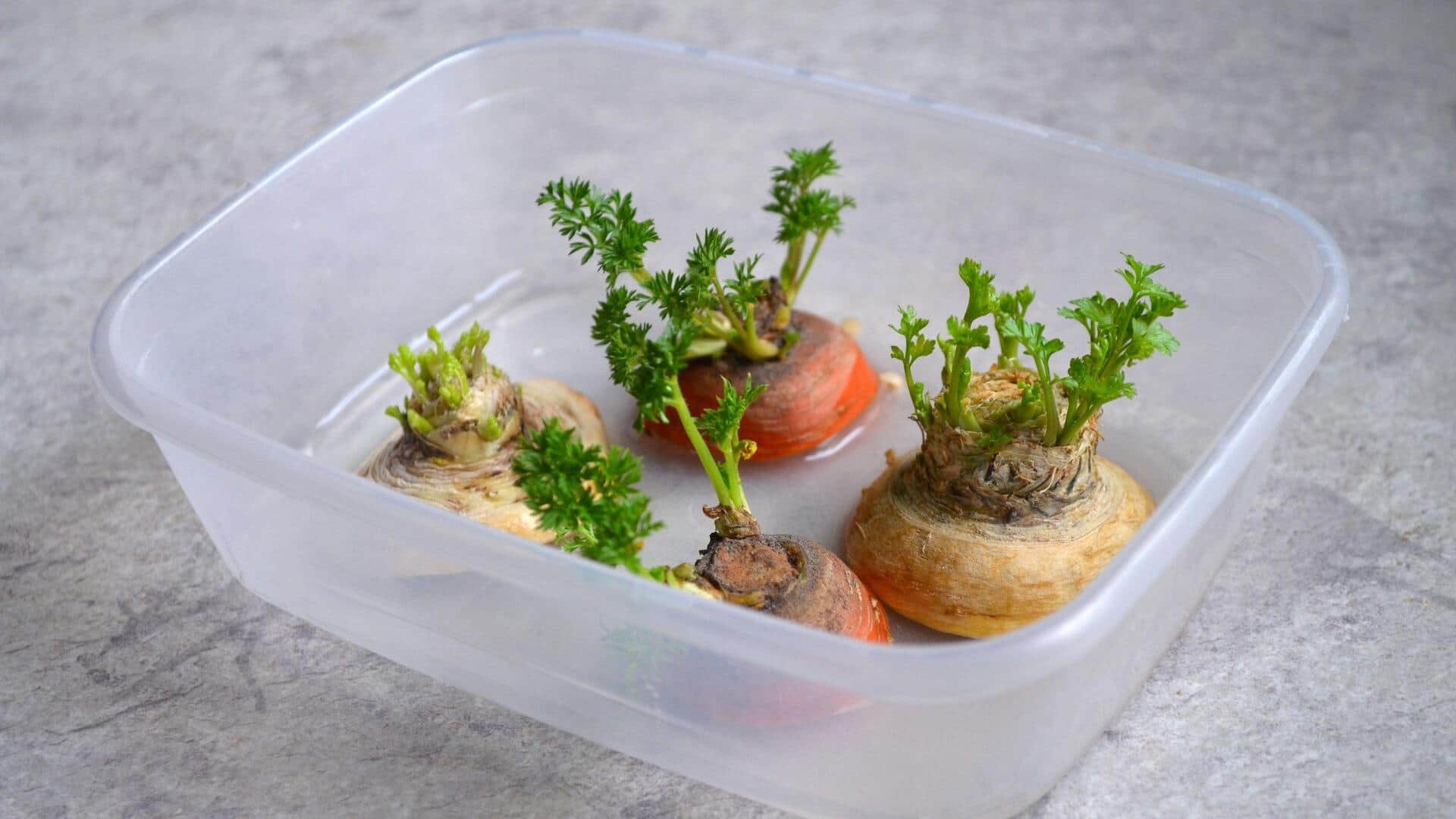
Grow fresh celery at home with these simple tips
What's the story
Growing celery at home can be an exciting and rewarding experience, especially if you have limited space. Celery is a versatile vegetable that can be grown indoors or in small gardens. With the right techniques, you can enjoy fresh celery all year round. Here are some practical tips to help you grow celery successfully in compact spaces, ensuring optimal growth and yield.
Tip 1
Choosing the right container
Selecting an appropriate container is key to growing celery in limited space. Choose a pot that is at least 12 inches deep to accommodate celery's long roots. Ensure the container has drainage holes to prevent waterlogging, which can damage the roots. Using lightweight materials like plastic or resin can make it easier to move the pots around if needed.
Tip 2
Soil and planting techniques
Celery needs well-draining soil that is rich in organic matter. Use a mix of potting soil with compost or peat moss to retain moisture while providing essential nutrients. Sow seeds directly into the soil or start them indoors and transplant them later. Keep the soil consistently moist but not soggy for optimal germination.
Tip 3
Optimal lighting conditions
Celery requires plenty of sunlight to grow well, ideally six hours a day. If you're growing indoors, place your containers near a south-facing window for maximum light exposure. Alternatively, use grow lights if natural sunlight isn't enough, keeping them about six inches above the plants and adjusting as they grow.
Tip 4
Watering and fertilizing routine
Regular watering is critical for celery's growth, as it requires a lot of moisture. Water the plants deeply once a week, more often in hot weather, to keep the soil consistently moist but not waterlogged. Fertilize every two weeks with a balanced liquid fertilizer diluted to half strength to provide essential nutrients without overwhelming the plants.
Tip 5
Managing pests and diseases
Keep an eye out for common pests like aphids and snails that may attack celery plants. Use natural remedies such as neem oil or insecticidal soap to control these pests effectively without harming beneficial insects. Ensure proper air circulation around your plants to prevent diseases like blight or rot from developing due to excess humidity or poor ventilation.