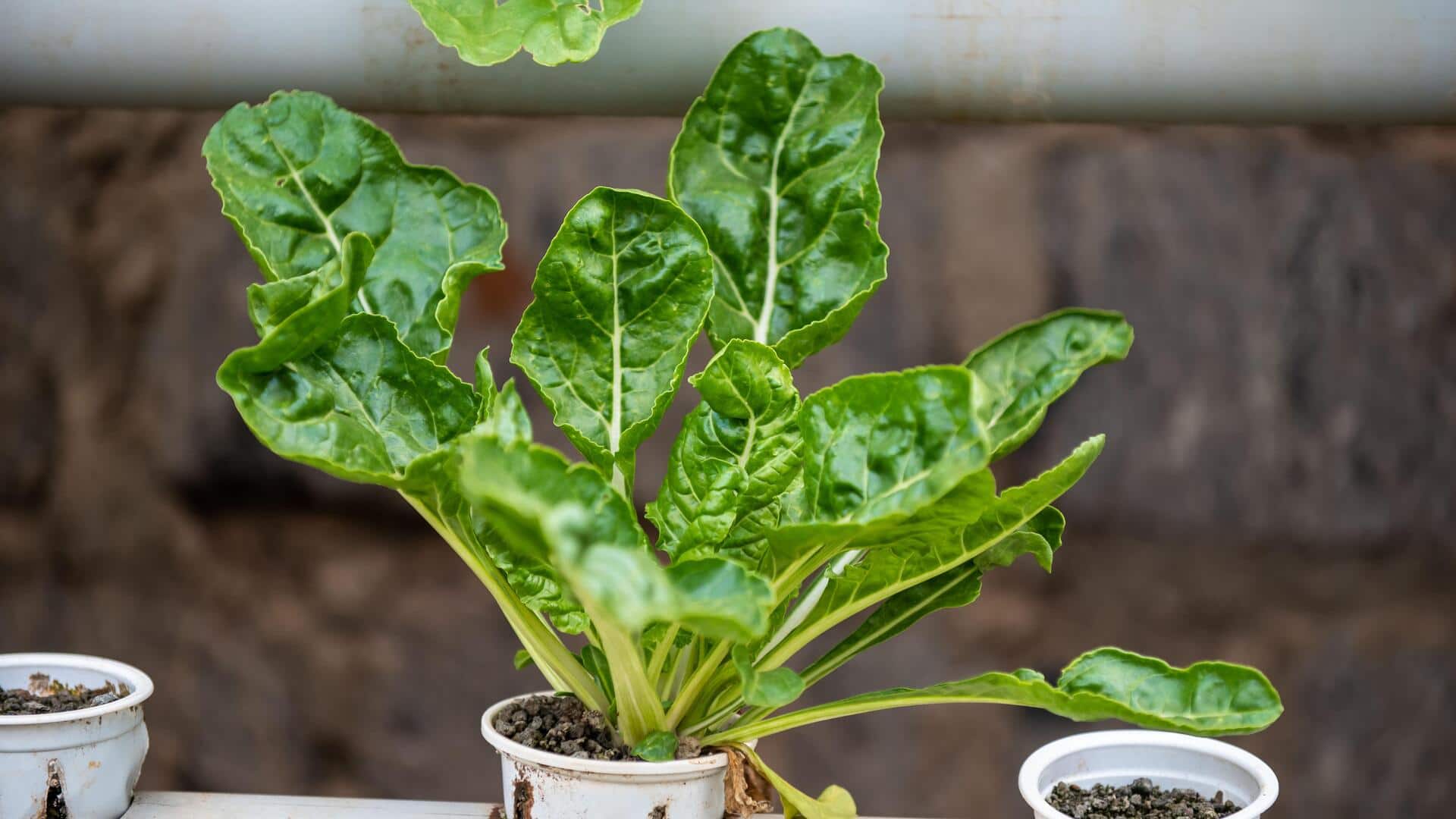
Grow your own epazote with these tips
What's the story
Epazote is a fragrant herb with a unique flavor, commonly used in traditional dishes. Growing epazote in your kitchen garden can be a rewarding experience, providing fresh leaves for culinary use. The herb is known for its resilience and adaptability, making it suitable for various gardening conditions. Here are some practical tips to help you grow epazote successfully, ensuring a thriving supply of this distinctive herb.
Tip 1
Choosing the right location
Selecting the right location is key to growing epazote.
The herb flourishes in well-drained soil with plenty of sunlight.
Pick a spot that gets at least six hours of sunlight every day.
Epazote can also tolerate partial shade but may not grow as vigorously.
Make sure the area has good drainage to avoid waterlogging, which can damage the roots.
Tip 2
Soil preparation techniques
Preparing the soil properly is essential for healthy epazote plants.
Start by mixing organic matter like compost or well-rotted manure into the soil to improve its fertility and structure.
Epazote prefers slightly acidic to neutral pH levels between six and seven.
Test your soil's pH and make adjustments if necessary using lime or sulfur products available at garden centers.
Tip 3
Planting methods explained
You can either sow seeds directly into the garden or start them indoors and transplant them later.
If sowing directly, plant seeds about half an inch deep and spaced two feet apart once danger of frost has passed.
If transplanting, wait until seedlings have at least two sets of true leaves before moving them outdoors.
Tip 4
Watering and maintenance tips
Regular watering is important for growing healthy epazote plants, but don't overdo it.
Water them well once a week, allowing the soil to dry out between waterings.
Mulching around plants helps retain moisture and suppress weeds, while pruning back any leggy growth encourages bushier foliage development over time.