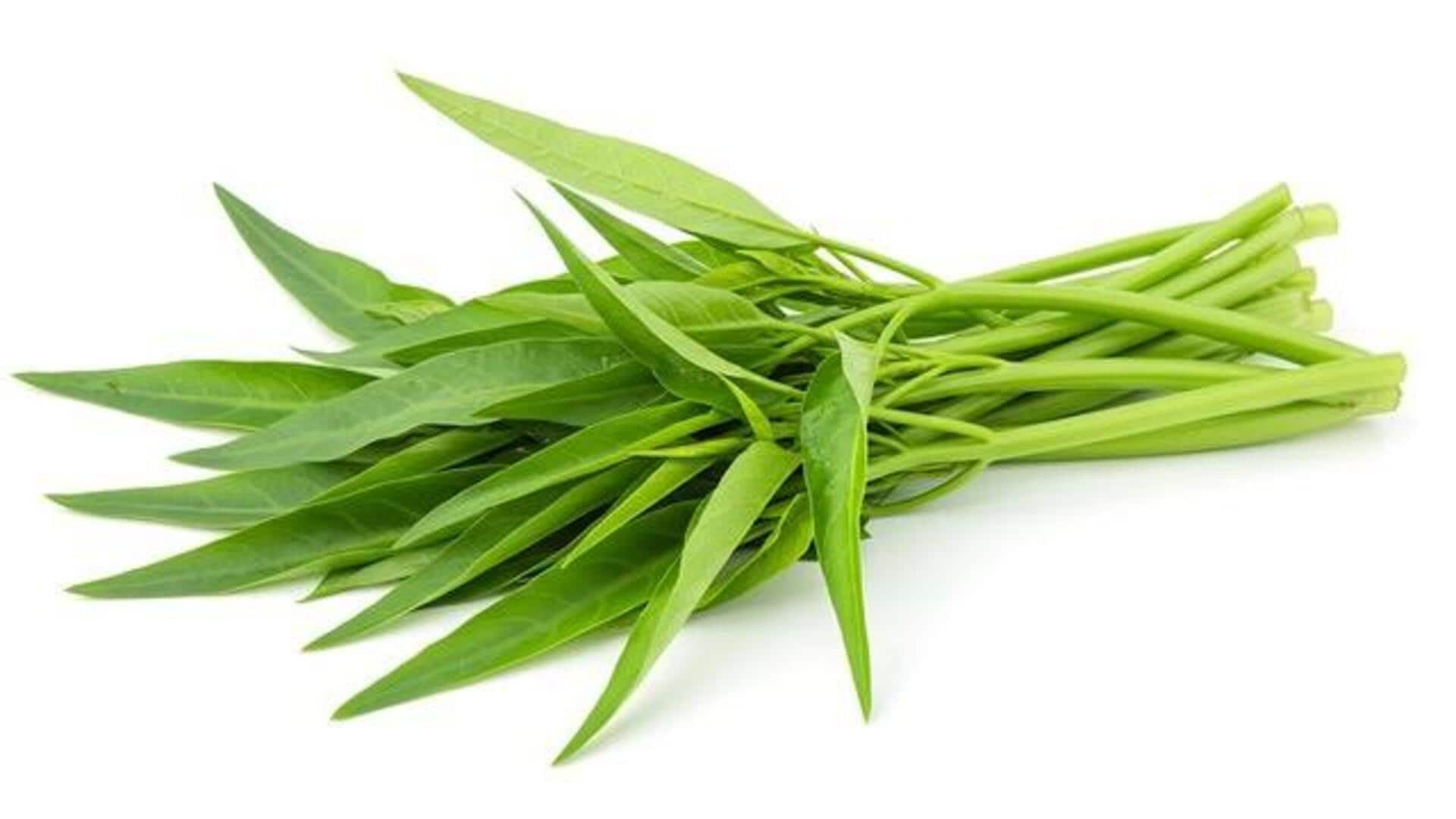
How to grow water spinach in plastic bottles
What's the story
Growing kangkong, or water spinach, in plastic bottles is a simple and sustainable way to enjoy fresh greens at home. This method is perfect for those with limited space or resources. By using recycled materials, you can create an efficient growing system that requires minimal investment and effort. With just a few supplies and some basic knowledge, you can cultivate your own supply of this nutritious leafy vegetable.
Tip 1
Choosing the right plastic bottle
Selecting the right plastic bottle is key to successful kangkong cultivation.
A two-liter soda bottle makes for an ideal choice because of its size and shape.
Make sure the bottle is clean and free from any residue before using it for planting.
The wide opening of the soda bottle allows easy access for planting seeds or seedlings, while its sturdy structure supports the plant's growth.
Tip 2
Preparing the bottle for planting
Preparing your plastic bottle properly is essential for healthy kangkong growth.
First, cut the top third of the bottle off to create a planter with good drainage.
Next, fill the bottom of the bottle with a mix of potting soil and organic compost to provide essential nutrients.
This mixture will help retain moisture while ensuring proper aeration for root development.
Tip 3
Planting kangkong seeds or seedlings
Once your bottle is ready, it's time to plant your kangkong seeds or seedlings.
If you're using seeds, sow them directly into the soil mix at a depth of about one centimeter.
For seedlings, gently transplant them into the soil mix, ensuring they're well-rooted.
Water them lightly after planting to settle the soil around them.
Tip 4
Maintaining optimal growing conditions
To ensure optimal growth conditions for your kangkong plants, place your bottles in a location with plenty of indirect sunlight.
Keep soil moisture consistent by watering regularly without over-saturating it; too much water can lead to root rot.
Monitor plant health frequently by checking leaf color and texture; healthy leaves should be bright green and firm.