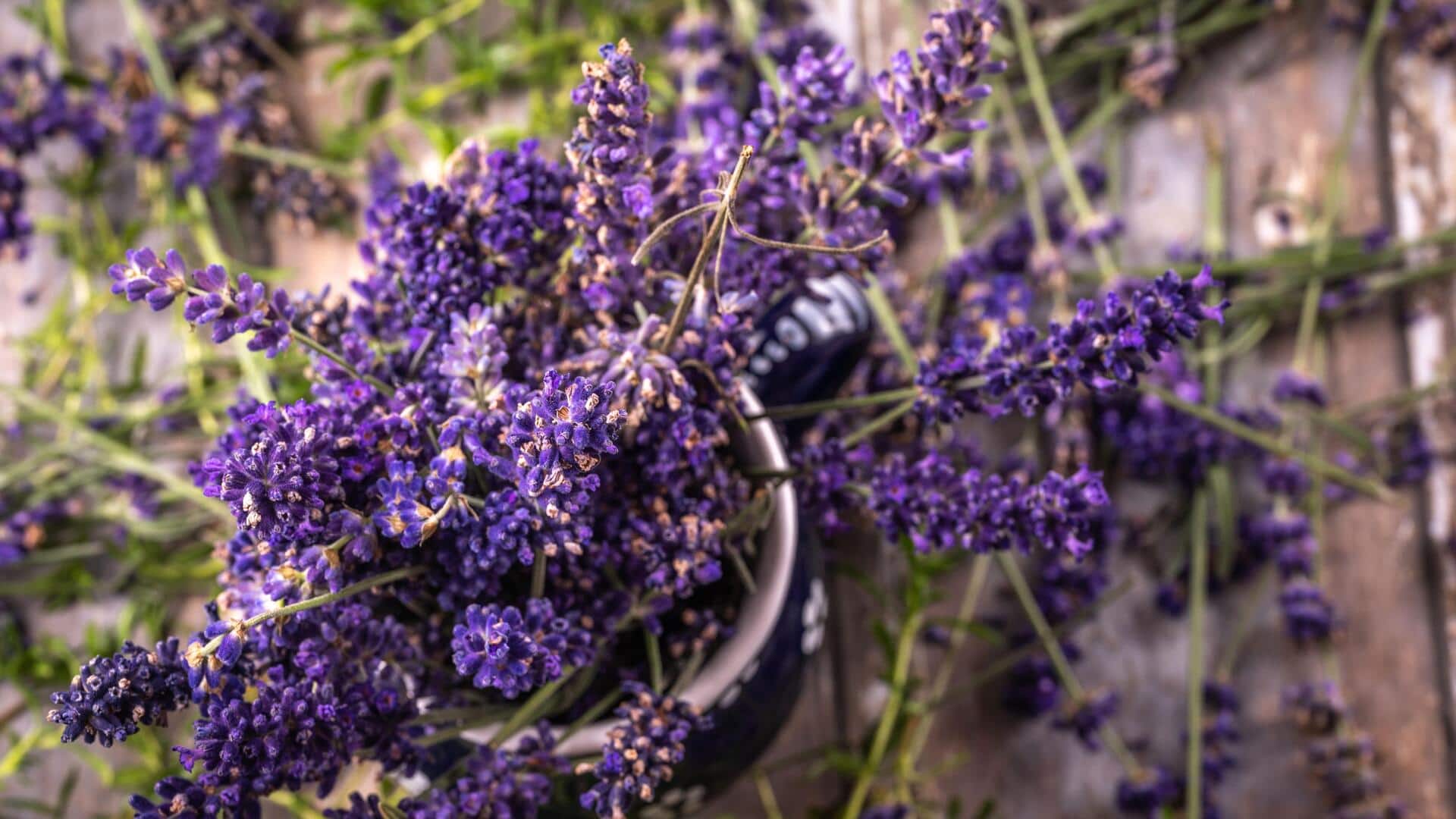
How to successfully grow lavender from seeds
What's the story
Growing lavender from seeds can be a rewarding experience, giving you fragrant blooms and a touch of beauty to your garden. Though the process may seem daunting, with the right steps and care, you can grow lavender successfully. Here are some essential tips to help you navigate the journey of growing lavender from seeds, ensuring healthy plants and vibrant flowers.
Tip 1
Choosing the right seeds
Selecting quality seeds is crucial for successful lavender cultivation. Opt for seeds from reputable suppliers who guarantee high germination rates. Consider the specific variety of lavender that suits your climate and soil conditions. Some popular varieties include English lavender and French lavender, each offering unique characteristics and fragrance profiles.
Tip 2
Preparing the soil
Lavender thrives in well-drained soil with a pH level between 6.5 and 7.5. Before planting, amend your soil with organic matter to improve drainage if necessary. Avoid heavy clay soils as they retain too much moisture, which can harm the roots. A sandy or gravelly soil mix works best for optimal growth.
Tip 3
Sowing seeds properly
Start by sowing lavender seeds indoors during late winter or early spring for an early start. Use seed trays filled with a light potting mix and sprinkle the seeds evenly without covering them too much, as they require light to germinate. Keep the trays in a warm location with consistent moisture until germination occurs.
Tip 4
Providing adequate care
Once your seedlings emerge, make sure they get at least six hours of sunlight each day. Water them sparingly to prevent overwatering and problems like root rot. Transplant them outdoors once they're sturdy enough, maintaining spacing between plants for good air circulation.
Tip 5
Monitoring growth progress
Regularly check on your lavenders's growth progress by observing any signs of pests or diseases, such as aphids or powdery mildew, which may require immediate attention through organic treatments like neem oil sprays if needed. Prune regularly after the flowering season ends each year, promoting bushier growth patterns over time.