A beginner's guide to growing sundews indoors
What's the story
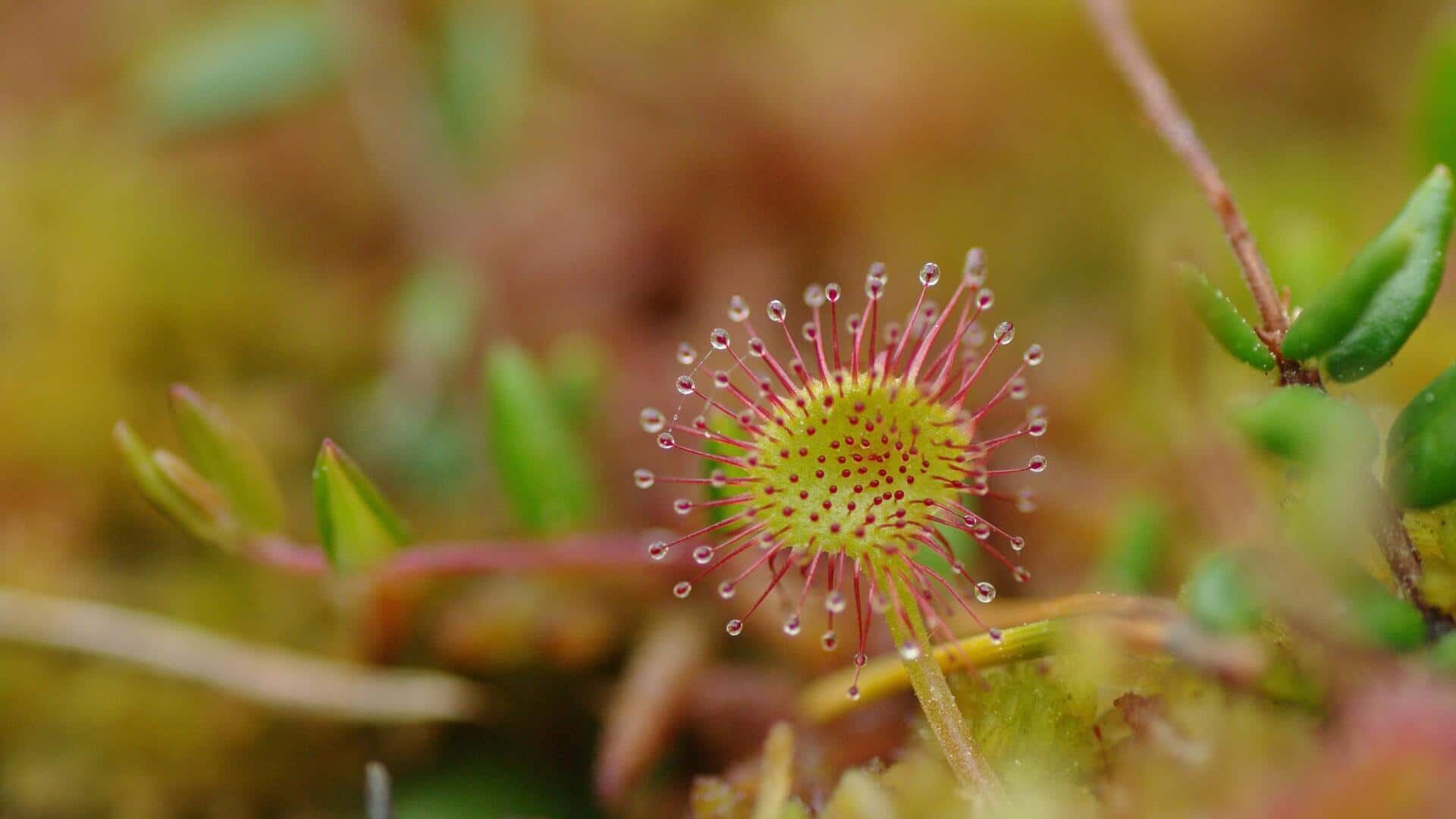
Growing sundews indoors can be a rewarding experience for plant enthusiasts. These fascinating carnivorous plants are known for their unique ability to catch and digest insects. With the right conditions and care, you can successfully cultivate sundews in an indoor environment. Here are some essential tips to help you grow sundews indoors, ensuring they thrive and remain healthy throughout their growth cycle.
Tip 1
Choosing the right container
Selecting an appropriate container is crucial for growing sundews indoors.
Choose a pot with good drainage to prevent waterlogging, which can harm the plant's roots.
Plastic or ceramic pots work well as they retain moisture without overheating the soil.
A shallow tray underneath the pot can catch excess water and maintain humidity levels around the plant.
Tip 2
Providing adequate light
Sundews require plenty of light to flourish indoors.
Ideally, place them near a south-facing window where they can get at least 12 hours of bright, indirect sunlight every day.
If natural light is insufficient, you can use fluorescent or LED grow lights to make up for it.
Keep the lights about 12 inches above the plants, adjusting as necessary to avoid overheating.
Tip 3
Maintaining proper humidity levels
Humidity is critical for sundew health, as they are used to high-humidity environments.
Aim for 50% to 70% humidity levels by placing a humidifier in the room or using a pebble tray filled with water under the pot.
Misting plants occasionally can also help maintain humidity, but avoid over-wetting leaves.
Tip 4
Watering with distilled water
Sundews are sensitive to minerals and chemicals present in tap water, so it's essential to use distilled or rainwater for watering them.
Keep the soil consistently moist but not soggy by watering when the top layer of soil feels dry to the touch.
This will ensure that your sundews get the right amount of moisture without the risk of root rot.
Tip 5
Fertilizing sparingly
While sundews derive most of their nutrients from catching insects, occasional fertilization can promote growth indoors.
Use a diluted solution of orchid fertilizer once every four weeks during the growing season (spring and summer).
Apply it sparingly by placing a few drops on each leaf instead of directly into the soil, to avoid over-fertilization.