How to make dolls from fabric scraps
What's the story
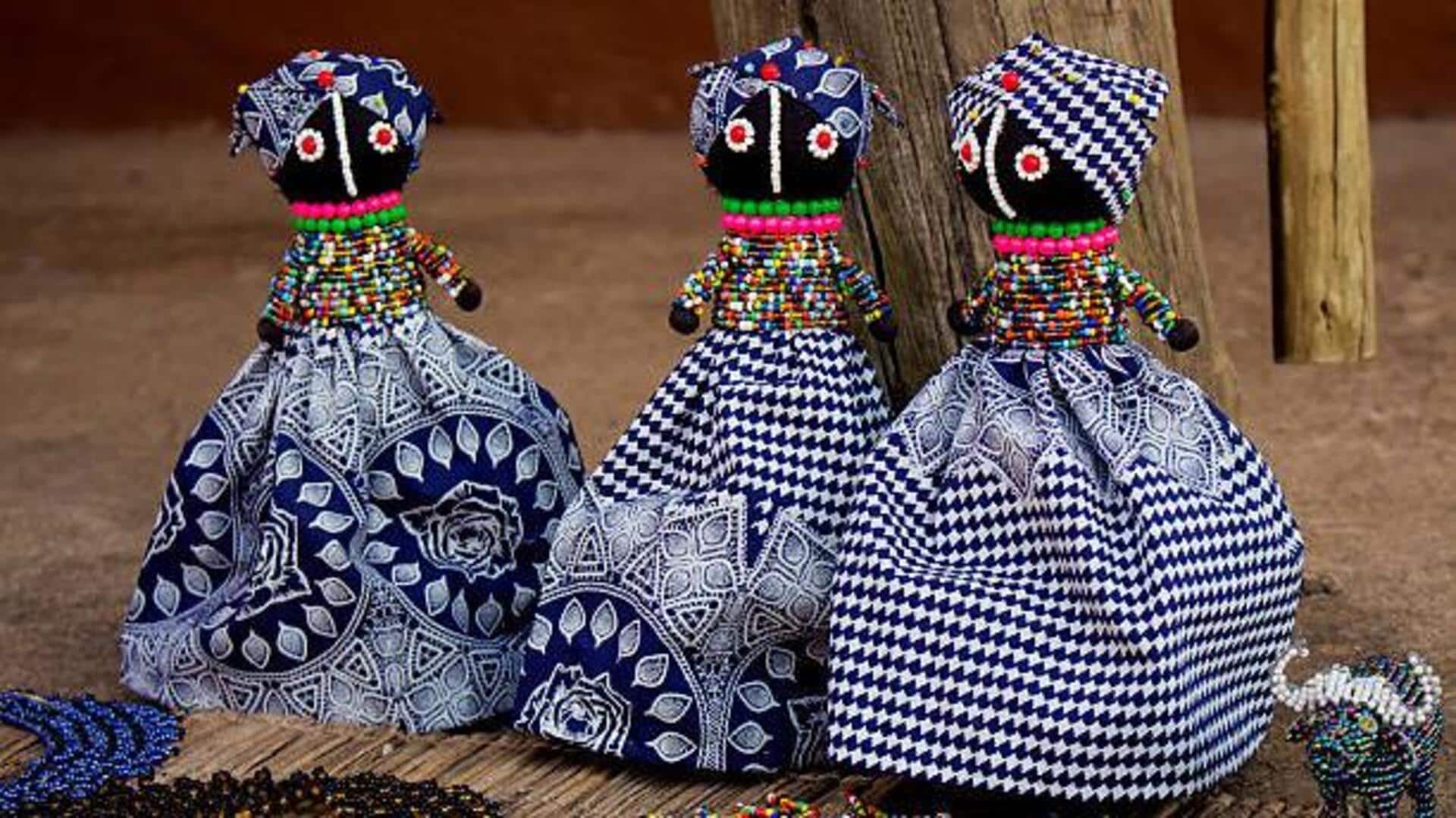
African dolls have long been a part of the continent's rich cultural heritage, serving as symbols of tradition and artistry. These dolls, often crafted from locally sourced materials, reflect the diverse cultures and histories of Africa's many communities. By using fabric scraps, artisans can create unique versions of these dolls, preserving cultural significance while promoting sustainability. This practice not only supports environmental conservation but also keeps traditional crafts alive in modern times.
Material selection
Sourcing local materials
Artisans usually prefer to use locally sourced materials for making African dolls.
Fabric scraps from local markets are popular, as they are cheap and eco-friendly.
By using these scraps, artisans can minimize waste and support local economies.
The selection of materials also allows for the incorporation of various textures and colors, adding to the doll's aesthetic appeal.
Doll creation
Crafting techniques
The process of making African dolls from fabric scraps involves a number of traditional techniques.
Artisans usually cut the fabric into desired shapes, sew them together, and fill them with natural fibers or other soft materials.
These techniques have been passed down through generations, ensuring that each doll retains its cultural essence while being unique.
Symbolism
Cultural significance
African dolls made from fabric scraps are not just toys but also cultural symbols.
They are often used in rituals, ceremonies, or as educational tools for teaching children about their heritage.
The designs and features of these dolls can vary widely between different regions, each telling its own story through its craftsmanship.
Community support
Economic impact
The practice of making African dolls from fabric scraps also has a positive economic impact on communities.
By selling these handmade items at local markets or online platforms, artisans can earn a living while promoting sustainable practices.
This not only helps preserve traditional crafts but also empowers individuals within their communities economically.