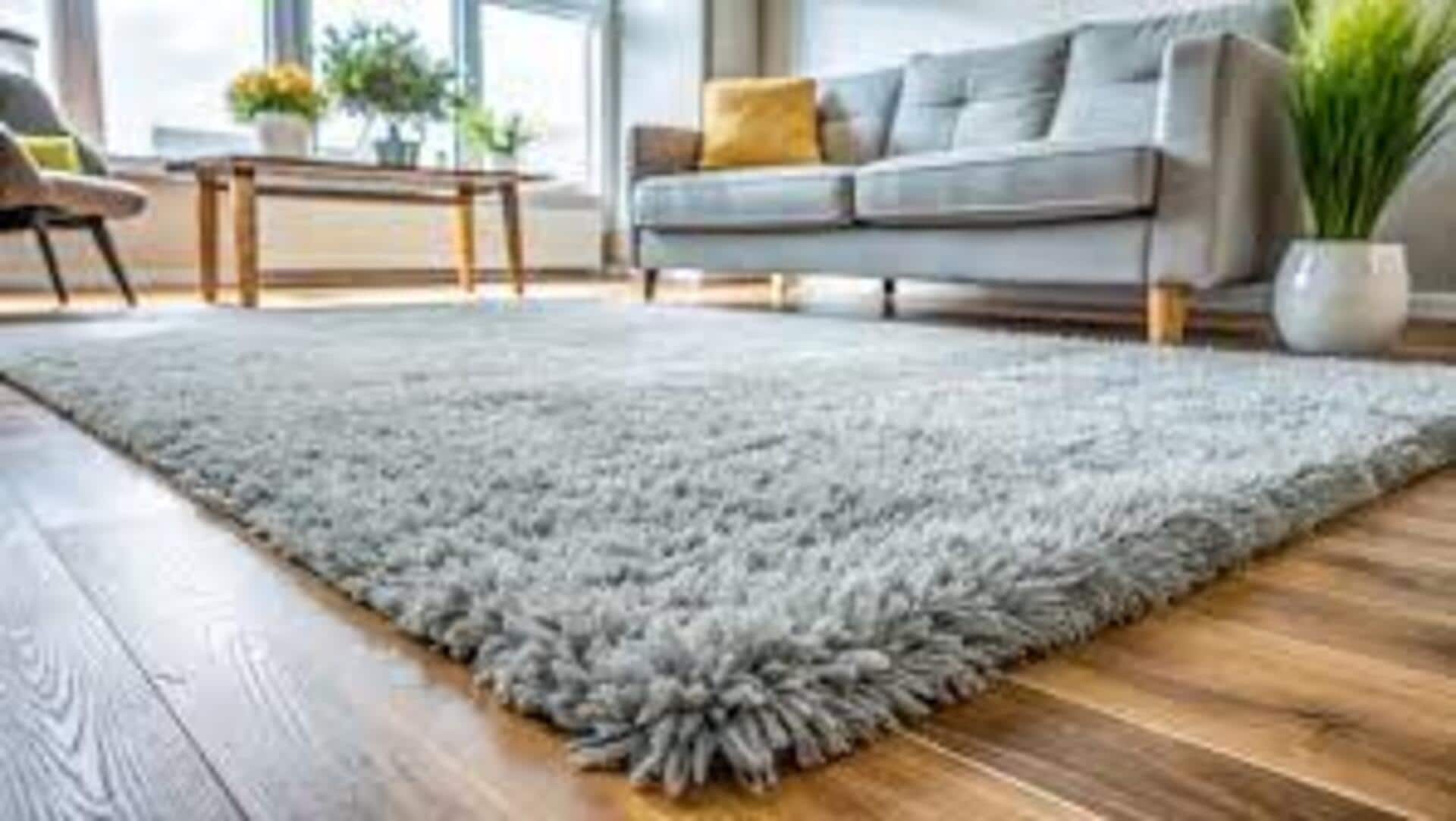
How to make matted rugs at home
What's the story
African matted rugs are famous for their unique designs and cultural significance. These handmade beauties add a touch of tradition and artistry to any space. Making your own African matted rug can be a fulfilling experience, allowing you to explore creativity while honoring the rich heritage of African craftsmanship. With the right materials and techniques, you can create a rug that reflects personal style and appreciation for cultural artistry.
Materials
Selecting the right materials
Choosing the right materials is essential for making an authentic African matted rug.
Natural fibers such as wool or sisal are commonly used because of their durability and texture. Wool offers softness, while sisal gives strength.
You can also pick colors that resonate with traditional African patterns, like earthy tones or vibrant hues.
The choice of materials will affect the final look and feel of your rug.
Patterns
Understanding traditional patterns
Traditional African patterns are rich in symbolism and meaning.
Before starting your rug, familiarize yourself with these designs by researching various motifs used in different regions of Africa.
Geometric shapes, zigzag lines, and symmetrical arrangements are commonly seen in these patterns.
Understanding these motifs will help you incorporate authentic elements into your creation.
Techniques
Mastering weaving techniques
Weaving techniques are key to making a sturdy and beautiful matted rug.
Start with basic techniques like looping or braiding before moving on to more complex methods as you gain confidence.
Practice on smaller pieces first if needed until you feel comfortable with your skills.
Consistency in technique will ensure evenness throughout the rug.
Personalization
Adding personal touches
Adding personal touches can make your rug unique while paying homage to its cultural roots.
Consider incorporating initials or dates using subtle stitching techniques so they blend seamlessly into the design, without overpowering it visually.
Experimenting with different textures by mixing fibers can also add depth, making each piece truly one of a kind.