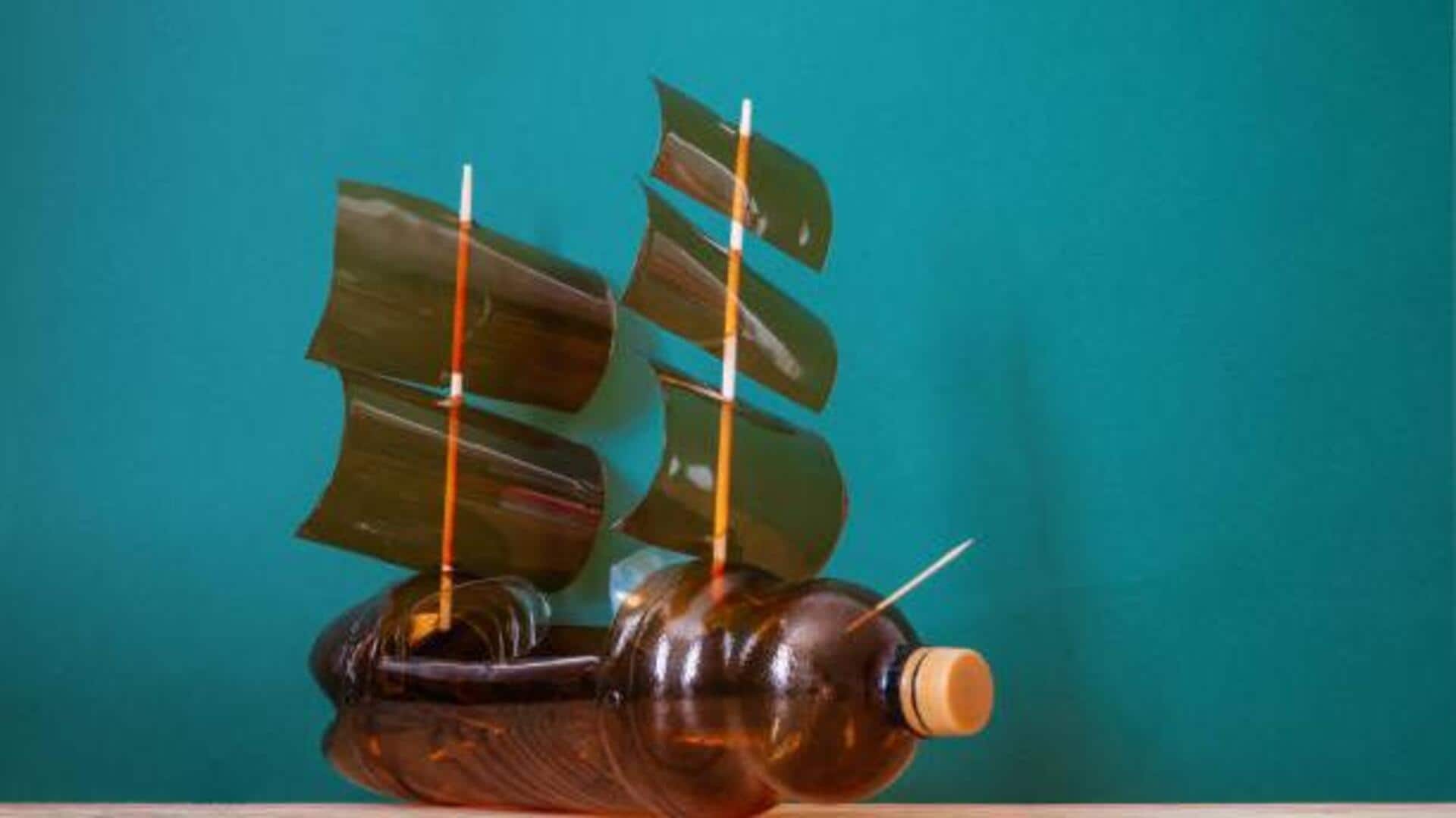
Here's a sustainable way to reuse plastic bottles
What's the story
African sculptures are famous for their intricate designs and cultural significance. They are usually made from materials like wood, clay, and metal. However, using plastic bottles for making these sculptures is an innovative and sustainable approach. This not only helps in reducing plastic waste but also provides a unique medium for artists to explore their creativity. Here are some insights into how plastic bottles can be transformed into beautiful African sculptures.
#1
Selecting the right plastic bottle
Choosing the right plastic bottle is important for sculpting.
The size, shape, and thickness of the bottle determine how it can be molded and manipulated. Thicker bottles provide more stability, while thinner ones are easier to shape.
Clear or colored bottles can add different visual effects to the sculpture.
Artists should consider these factors when selecting bottles for their projects.
#2
Techniques for shaping plastic bottles
Shaping plastic bottles requires some basic techniques, like cutting, heating, and bending.
Using scissors or a craft knife, artists can cut the desired shapes from the bottle.
Heating with a heat gun makes the plastic malleable, allowing it to be bent into curves or other forms without breaking.
These techniques allow for creating intricate designs that mimic traditional African art styles.
#3
Adding texture and detail
Adding texture and detail is what makes a sculpture stand out.
Artists can use tools like combs or brushes to create patterns on the surface of the plastic.
Glue or tape can also be used to attach additional elements, like beads or fabric strips, for added detail.
Painting with non-toxic paints further enhances the visual appeal of the sculpture while maintaining its flexibility.
#4
Displaying your sculpture
Once completed, displaying your sculpture is key to showcasing your work's creativity and craftsmanship.
You can use stands or mounts that complement your piece, without overshadowing its design.
Proper lighting highlights the textures and colors in your sculpture, making it more visually appealing when viewed by others.