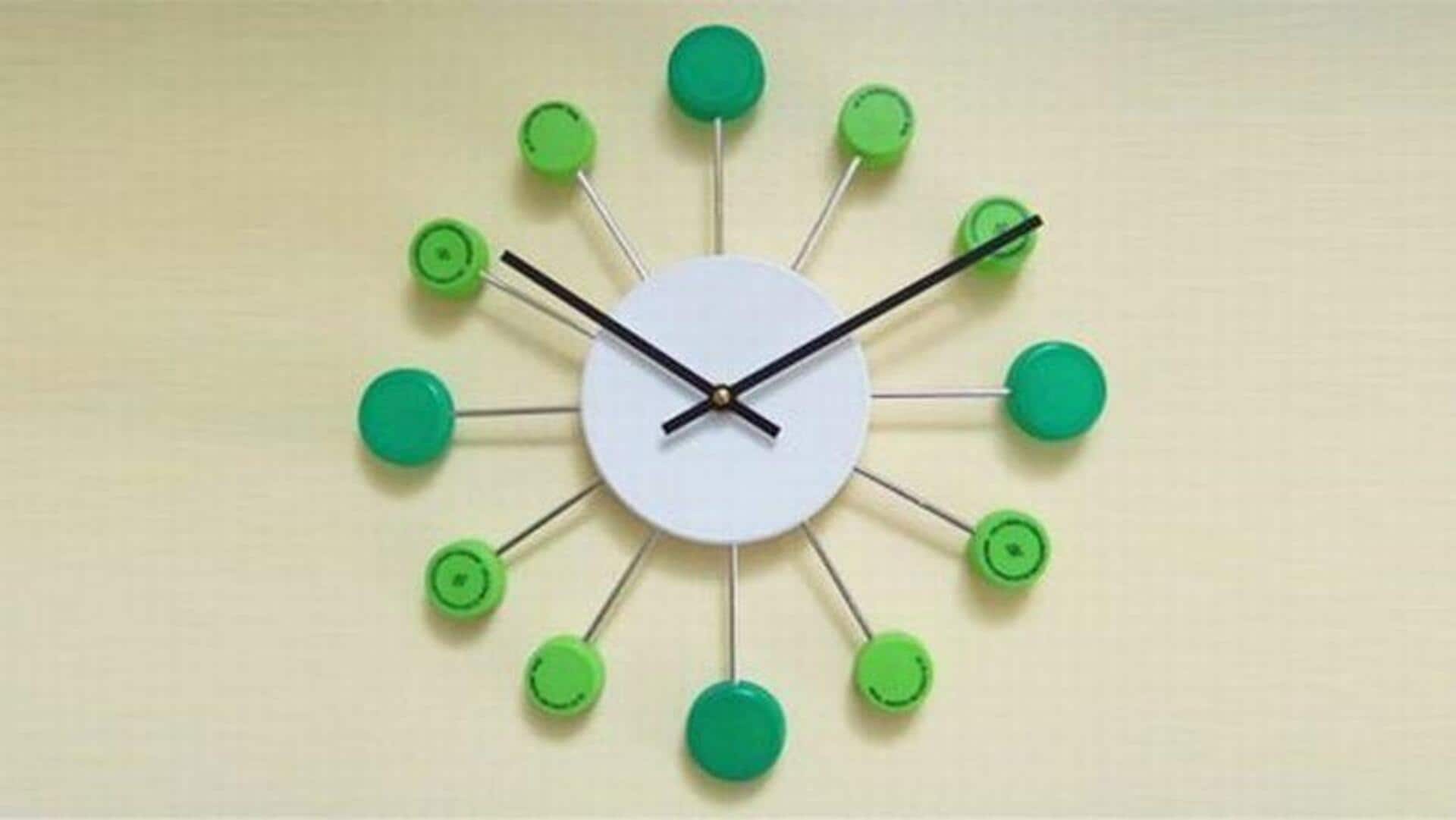
DIY: How to make clocks from recycled tin can lids
What's the story
Creating African-style clocks from recycled tin can lids is a creative way to blend art with sustainability. This craft not only promotes recycling but also celebrates African culture through design. By using materials that would otherwise go to waste, artisans can produce unique timepieces that reflect traditional patterns and styles. The process involves simple tools and techniques, making it accessible for those interested in exploring this artistic venture.
Tip 1
Selecting suitable tin can lids
Choosing the right tin can lids is crucial for crafting durable clocks.
Look for lids that are free from rust and have a smooth surface.
The size of the lid should be appropriate for a clock face, ideally around 10 to 12 inches in diameter.
Larger lids can be used as bases, while smaller ones can serve as decorative elements or clock hands.
Tip 2
Designing African patterns
Incorporating African patterns into your clock design adds authenticity and cultural significance.
Use traditional motifs such as geometric shapes, tribal symbols, or nature-inspired designs.
These patterns can be drawn directly onto the lid using non-toxic paint or markers.
It's important to research various African art styles to ensure your design is both meaningful and visually appealing.
Tip 3
Assembling the clock components
Once you have your design ready, it's time to assemble the clock components.
You will need a battery-operated quartz movement mechanism, which can be easily bought online or at craft stores.
Cut holes in the center of the lid for the clock mechanism's shaft to pass through.
Attach numbers or markers around the edge of the lid using small beads or painted dots.
Tip 4
Finishing touches and display options
After assembling all parts, add finishing touches like protective varnish over painted designs for durability.
Display options include hanging them on walls with hooks attached at the back using strong adhesive glue.
This ensures the artwork remains intact without damaging surfaces when removed later on if desired by the owner themselves.