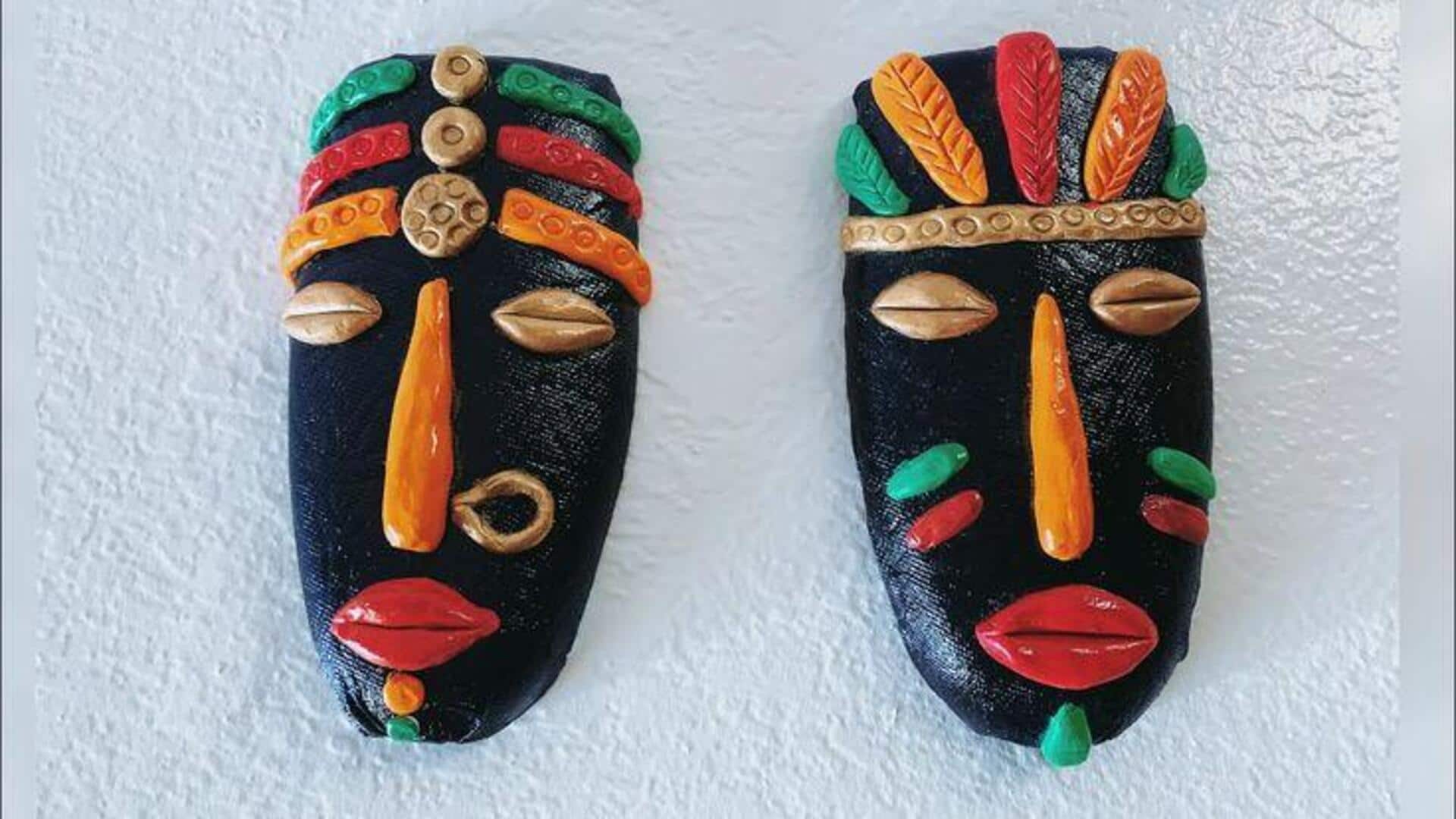
How to make bamboo masks at home
What's the story
African masks are an integral part of the continent's cultural heritage, used in ceremonies and rituals for centuries. Crafting these masks using bamboo is a traditional art that requires skill and patience. Bamboo, being readily available and easy to work with, makes it an ideal material for this purpose. Here are some insights into the process of creating authentic African masks with bamboo.
Tip 1
Selecting the right bamboo
Choosing the right type of bamboo is crucial for mask-making.
The bamboo should be mature, strong, and flexible enough to bend without breaking.
Look for straight pieces with minimal knots or blemishes.
The thickness of the bamboo will affect the mask's durability and appearance, so select according to your design requirements.
Tip 2
Tools required for crafting
To craft authentic African masks from bamboo, you need some basic tools.
A sharp knife is essential for cutting and shaping the bamboo.
Sandpaper helps smooth out rough edges, while twine or natural fibers can be used for binding pieces together.
Having these tools ready will make the crafting process easier and more efficient.
Tip 3
Techniques for shaping bamboo
Shaping bamboo into a mask requires precision and technique.
Start by cutting the bamboo into desired lengths, then use heat or water to soften it if needed.
Bend the bamboo carefully into shape, ensuring it retains its strength while achieving the desired contours.
This step may require multiple iterations before reaching the final form.
Tip 4
Adding details and finishing touches
Once you have the basic structure of your mask ready, it's time to add intricate details that make it unique.
Carve facial features using smaller tools like chisels or knives, paying attention to symmetry and proportion.
Finally, apply natural dyes or paints if you wish to enhance its visual appeal without compromising its authenticity.