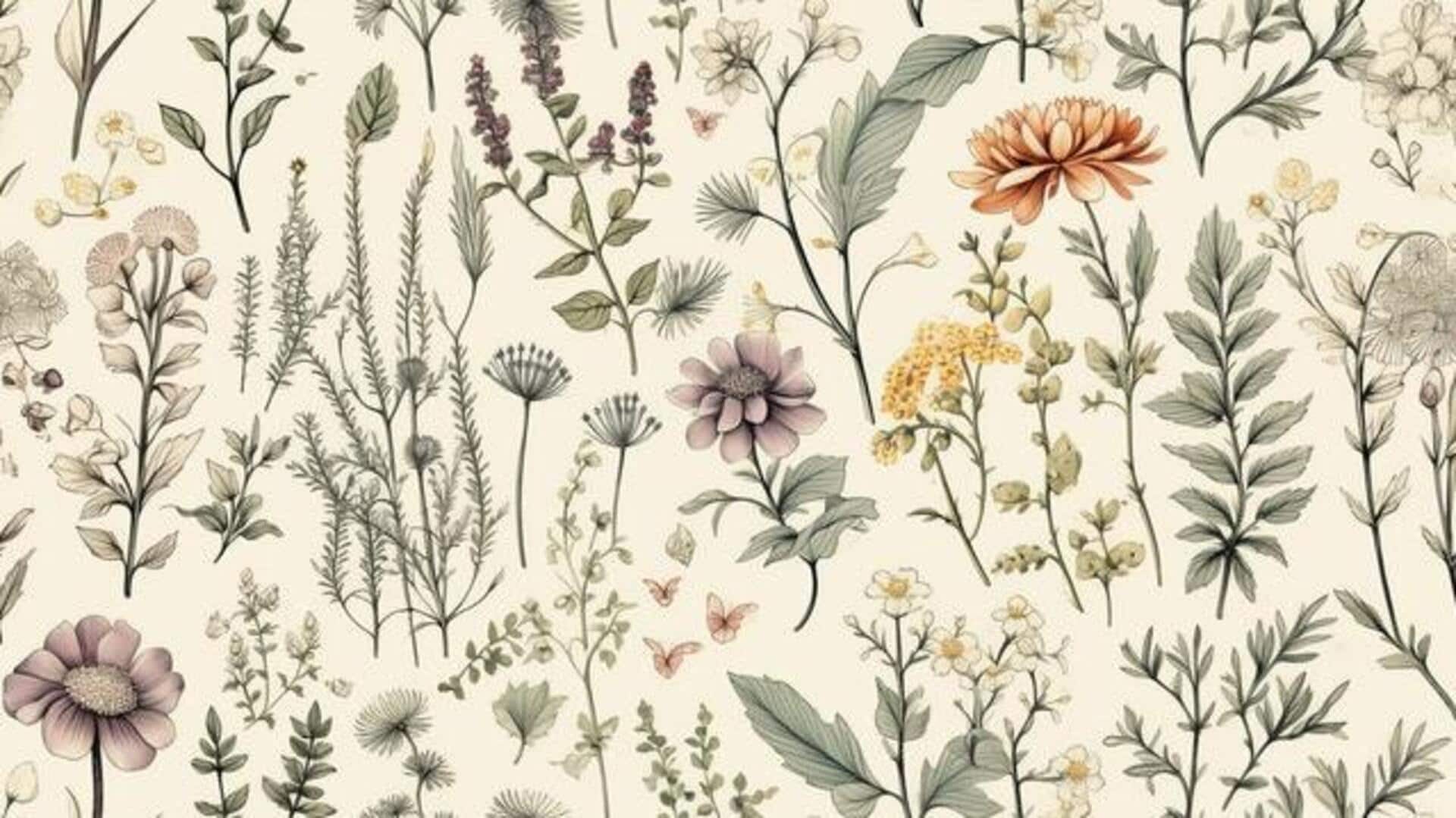
A beginner's guide to botanical printing
What's the story
African plants provide a unique and vibrant source for creating botanical prints. The diverse flora of the continent offers various textures, shapes, and colors that can be used to create stunning visual art. Using these natural elements, artists can produce intricate designs that reflect the rich biodiversity of Africa. This article explores different methods and tips for effectively using African plants in botanical printing.
Tip 1
Choosing the right plant materials
Selecting appropriate plant materials is key to successful botanical printing.
Look for leaves and flowers with distinct patterns and sturdy structures.
Ferns, acacia leaves, and hibiscus flowers are popular choices due to their unique textures and colors.
Ensure the plants are fresh to retain their natural pigments during the printing process.
Tip 2
Preparing plant materials for printing
Proper preparation of plant materials is essential for optimal results.
Start by cleaning the leaves or flowers to remove any dirt or debris.
Flatten them out by pressing them between heavy books or using a rolling pin.
This helps in even distribution of pigments when applied onto paper or fabric.
Tip 3
Techniques for botanical printing
There are various techniques you can use to print with African plants.
One common method is to apply natural dyes directly onto the surface of leaves before pressing them onto paper or fabric.
Another technique involves using a hammer or mallet to gently pound the plant material onto the surface, releasing pigments in the process.
Tip 4
Tips for achieving vibrant prints
To achieve vibrant prints, experiment with different dye concentrations and application methods.
Layering multiple plant materials can also add depth and complexity to your designs.
Allow each layer to dry completely before adding more elements to avoid muddying colors.
Tip 5
Preserving your botanical prints
Once you have created your botanical prints, preserving them is important to keep them looking good.
If you want to keep your prints intact for a long time, consider using archival-quality paper or fabric that is resistant to fading over time.
You can also frame your artwork under glass to protect it from dust and UV damage, while displaying its beauty effectively.